

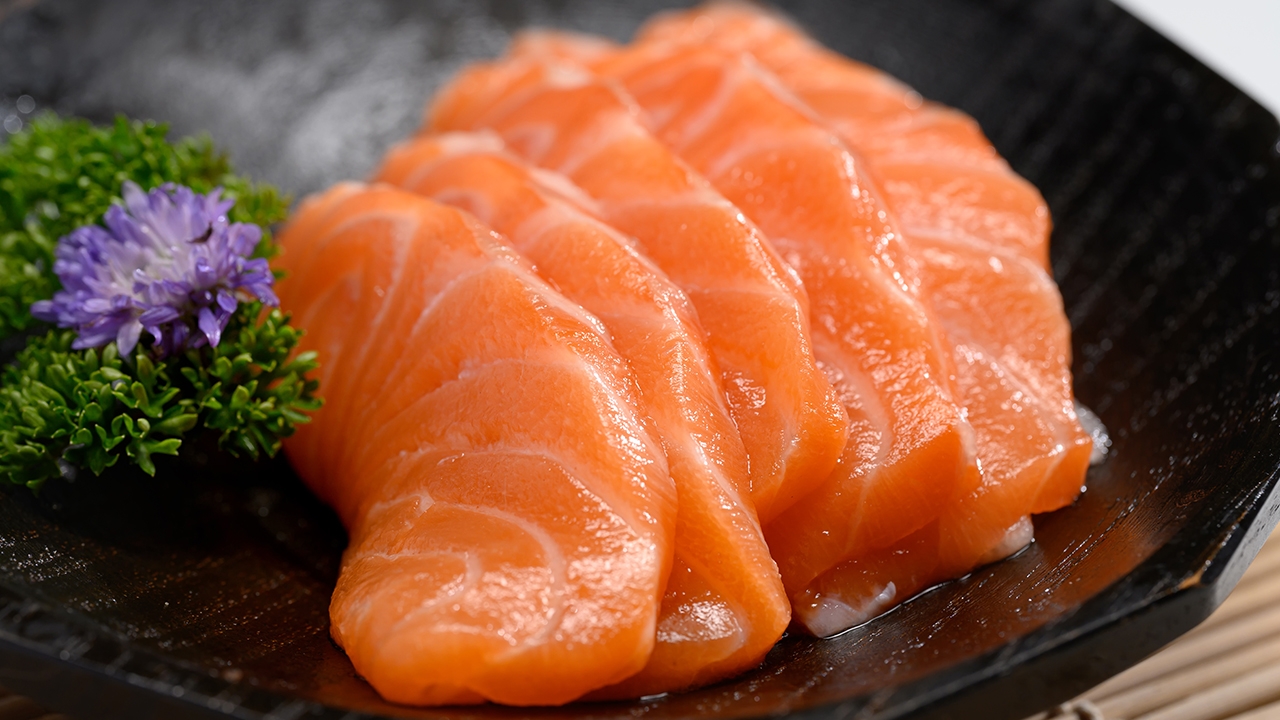
Sashimi lovers must check! Clearing up doubts Is eating salmon risky for liver fluke infection? Also listing parasites in raw fish, warning signs of infection, and tips to safely choose sashimi-grade fish
Menu "Raw salmon" or Japanese-style sashimi remains one of the top favorite dishes among Thais but often raises questions and concerns online, especially about whether eating raw salmon increases the risk of liver fluke infection like eating raw freshwater fish does ? To help consumers understand correctly and eat with peace of mind, let's explore the facts in depth.
"Liver fluke" (Opisthorchis) has a very specific life cycle and grows in freshwater fish, especially carp family fish (such as white fish, minnows, and mrigal), which are ingredients in traditional raw or fermented dishes like koi pla, pla som, or raw fermented fish — the main causes of bile duct cancer in Thailand.Quick check: 10 risky foods for "liver fluke disease" — beware of parasite larvae hiding in many commonly eaten Thai dishes
Meanwhile, salmon (Salmon) is an anadromous fish born in freshwater but grows in saltwater. Its environment is unfavorable for liver fluke development, so salmon meat does not carry the risk of liver fluke infection.
Currently, the global popularity of raw food, especially Japanese cuisine, has expanded widely, leading to increased detection of p arasites in raw fish compared to decades ago. Although salmon is safe from liver flukes, eating raw salmon still carries risks from other sea-dwelling parasites. It is recommended to consume from clean, trustworthy sources or restaurants.
Parasitologically, common parasites found in raw fish and raw dishes are classified into three major groups:
are common in sea fish and squid such as cod, salmon, herring, cutlassfish, and pomfret. They usually invade the stomach or intestinal lining causing nausea, vomiting, diarrhea, and sudden severe abdominal pain.
are found in both freshwater fish and some other fish species. When inside the body, they grow long in the intestines, often causing bloating, abdominal distension, cramping pain, unexplained weight loss, and possibly anemia due to nutrient absorption by the parasite.
are found in freshwater fish and fermented foods like pla ra or koi pla. Some species are highly dangerous and can penetrate the digestive system to the liver or lungs, causing fullness, bloating, diarrhea, and if they invade vital organs such as the liver or gallbladder, can lead to severe long-term damage.
In summary, "Salmon does not have liver flukes" but there remains risk from other marine parasites like tapeworms. Therefore, consumers should follow these safety measures:
However, if abnormal symptoms appear after eating raw fish, see a doctor for stool, blood, or endoscopic tests for accurate diagnosis and safe treatment.