

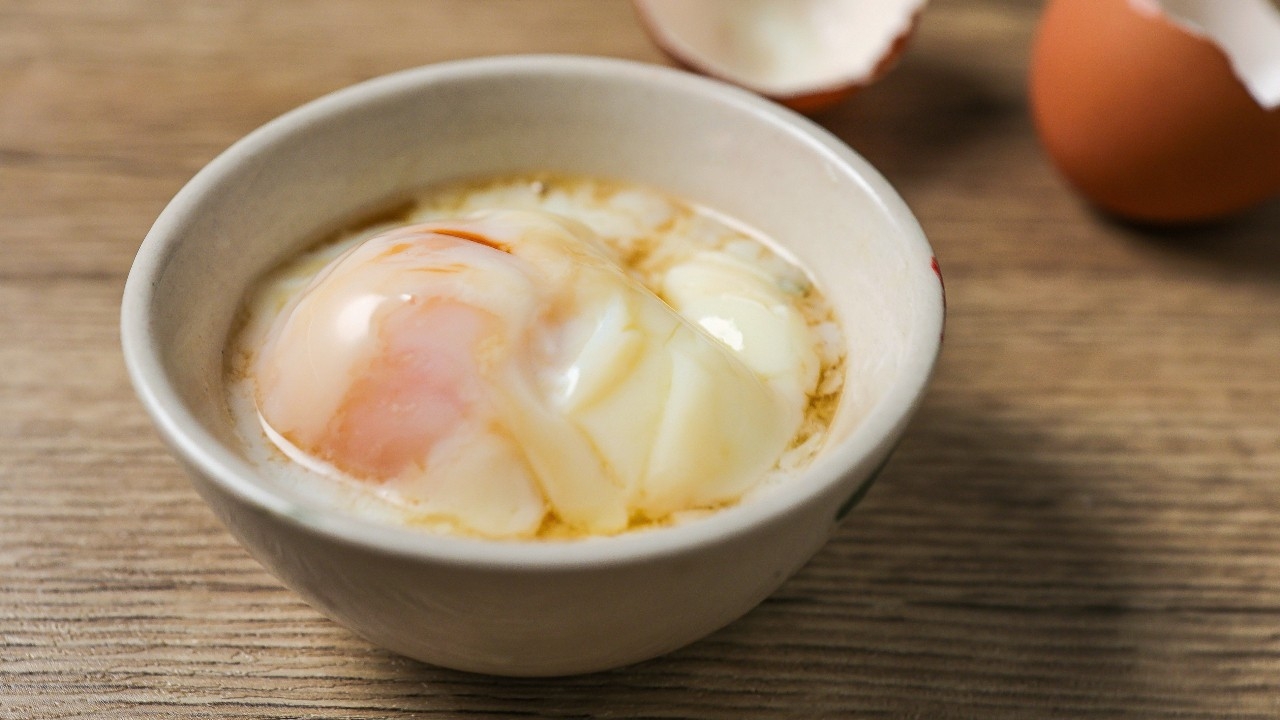
Health-conscious individuals should be cautious with the dish"soft-boiled eggs"which can be delicious but potentially dangerous if made from"old chicken eggs"that risk contamination with Salmonella bacteria, the main cause of food poisoning and severe diarrhea.
"Soft-boiled eggs"are a popular breakfast choice for many, especially health enthusiasts and those who prefer high-protein foods, since they are easy to prepare, easy to swallow, and nutritionally complete. However, this seemingly safe dish can easily cause food poisoning if you use old eggs that have been stored too long.
The natural structure of a chicken egg shell contains tens of thousands of tiny pores that allow moisture and air to pass through. As eggs are stored longer (becoming old eggs), these pores enlarge, moisture inside evaporates and is replaced by outside air.
This process enables bacteria, especially Salmonella, commonly found on eggshells or in chicken feces, to penetrate through the pores and grow inside the yolk and white more easily.
Food safety agencies note that soft-boiling uses low heat for a short time, which is insufficient to destroy Salmonella bacteria, unlike fully boiling eggs. Therefore, using old eggs to make soft-boiled eggs carries a high risk of Salmonella infection.
If the body ingests this bacteria, symptoms typically appear within 6 to 72 hours. The symptoms,most notable include
In healthy working-age adults, symptoms may resolve within 4-7 days, but for young children, elderly, or immune-compromised individuals, the infection can enter the bloodstream and be life-threatening.
For health safety, you can check the condition of eggs before cooking using these simple methods:
1. Water float test
Place the egg in a glass or bowl of water.

2. Observe the egg after cracking it open
3. Shake and listen
To safely consume soft-boiled or lightly cooked eggs, follow these recommendations:
Choosing to eat soft-boiled eggs safely starts with selecting fresh ingredients and avoiding old eggs. This is key to preventing food poisoning and gastrointestinal infections. By carefully checking egg freshness as recommended, you can confidently enjoy your favorite egg dishes safely.