

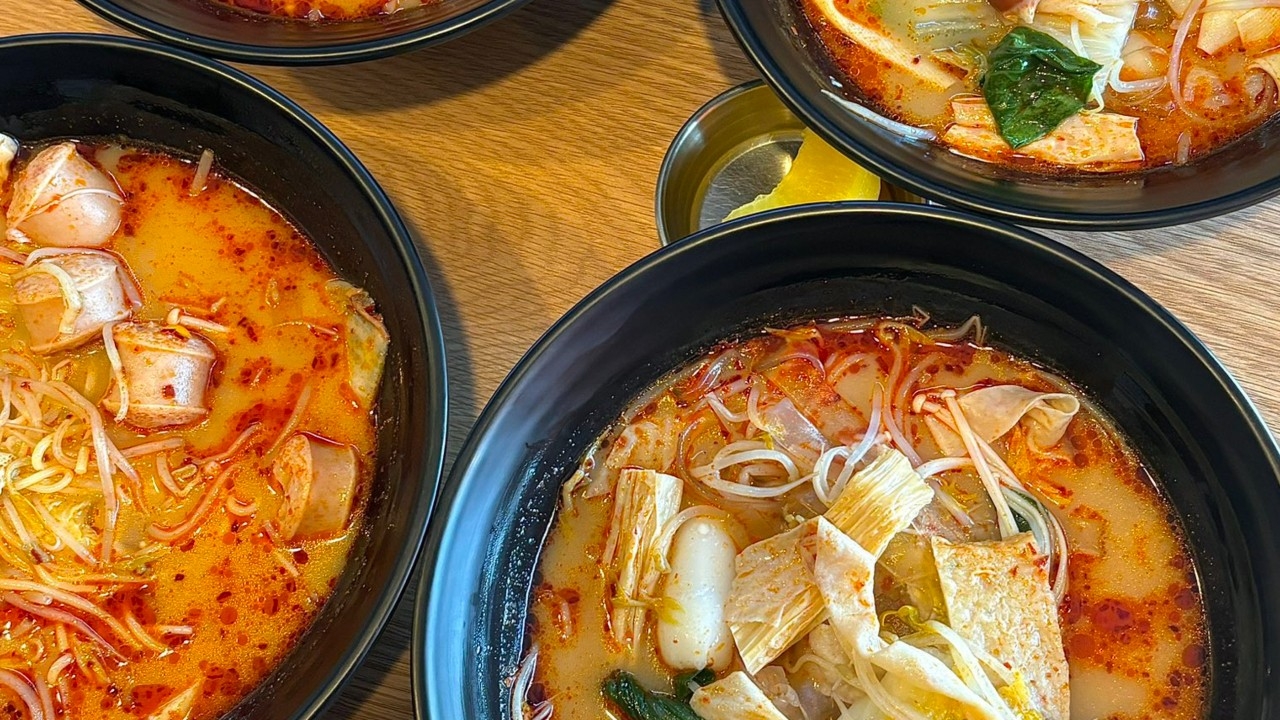
At this moment, it's undeniable that "Mala Tang"—the self-service mala hotpot—is a favorite dish for many. Most shops use a payment system based on weighing the ingredients by the decagram. "Weighing by decagrams" This is the real test because if you lose control when hungry and pick up everything that looks good, the weight can skyrocket. When the bill comes, it can reach several hundred baht, straining your wallet, and you might also gain weight unnecessarily, harming your health.
Thairath Online will reveal secret tips for choosing ingredients so you can enjoy a large bowl packed with protein and nutrients, healthy and budget-friendly.
The key to getting value from mala tang is to look for ingredients that are light in weight, not water-absorbing, but high in nutritional and protein content. This ensures you get full nutrition without the scale number soaring. For meat lovers seeking protein but wary of weight, focus on "thinly sliced meats" such asthinly sliced porkorthinly sliced beef.If the slices are very thin, when you pick 3-4 large pieces onto your tray, the weight increases less than a single starchy meatball. They cook quickly and absorb the spicy broth well.
Some shops now sell these meats separately by tray, with prices varying by quality grade. These meats remain worthwhile due to their quality, tangible protein, and texture essential to mala tang, enhancing both your dining experience and health.
Besides sliced meat, "fried tofu puffs and dried tofu skins" are protein-rich light items. When dry, tofu skins weigh very little; even large handfuls barely increase weight. When cooked in the broth, they soak up the rich mala soup and become deliciously juicy.
To finish the light ingredient category, "leafy greens and mushrooms" like morning glory, Chinese kale, coriander, or dried black fungus, when drained dry, have a porous, light structure. They weigh very little on the scale but provide fiber and vitamins, increasing bowl volume attractively without raising the cost.
These ingredients are wallet enemies because they absorb water well, are dense, or are starchy without protein, causing the weight to surge quickly.
The biggest caution in the protein group is "processed starchy foods like various meatballs and red sausages." Cheap meatballs often contain a lot of starch,are dense,feel heavy and lack airiness. Picking just a few quickly spikes the weight while providing very little protein, making them poor value for money.
Also avoid "konjac blocks, glass noodles, and soaked noodles." Noodles or konjac soaked in water trays absorb water until saturated, greatly increasing weight. Just picking a few strands can consume much of your weight quota. If you want noodles, choose dry noodles or order separate noodle dishes for better value.
Lastly, "root vegetables and thick vegetable cores" such as pumpkin, potatoes, sweet corn, or thick Chinese cabbage cores are dense and naturally heavy. Though nutritious, in a weighing system they quickly blow your budget. Limit these to one or two pieces.
Final tip before heading to pay: Always drain excess water from ingredients, especially vegetables or meats kept on ice. Shake or let them rest on the tongs for 2–3 seconds to let excess water drip off. Even a few drops per item can add up to several grams that you pay for but don't eat.
Eating mala tang smartly means not denying yourself favorite foods but wisely using each decagram to maximize nutrient intake. Try these tips next time; you’ll enjoy a big, flavorful mala bowl and a wallet-friendly bill.