

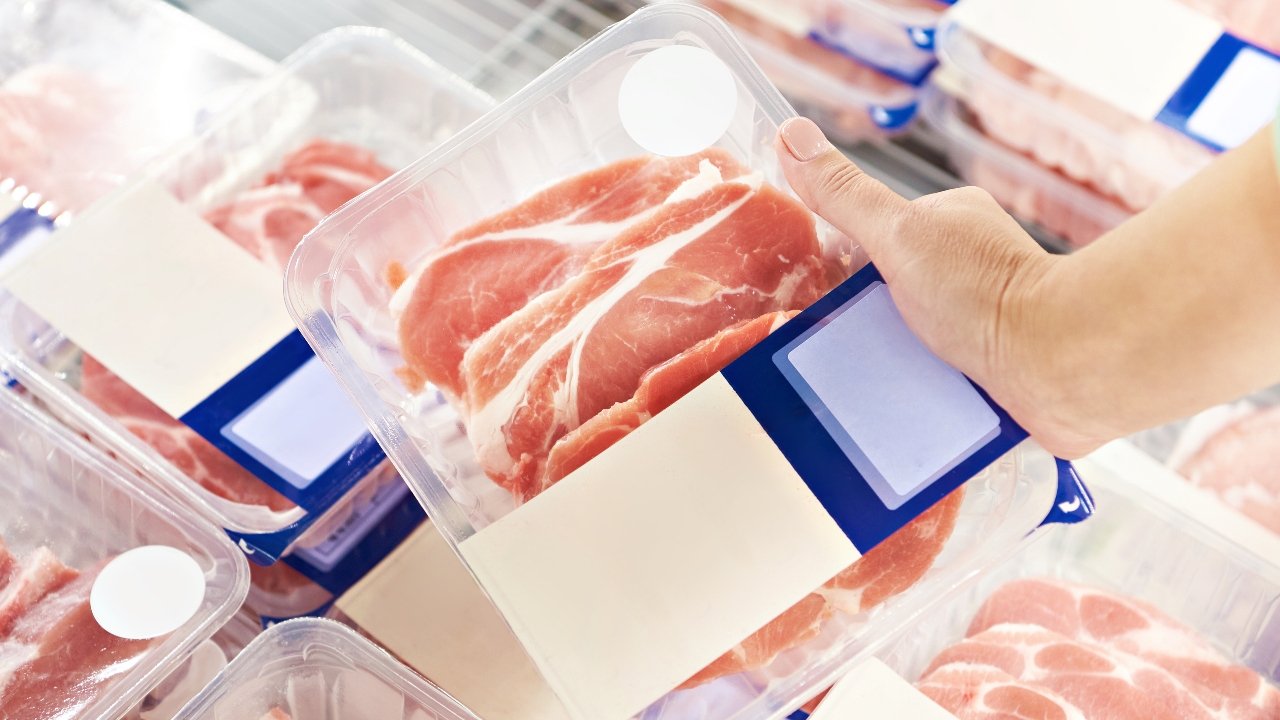
Check immediately! How to safely select fresh pork free from red meat enhancers, revealing common misunderstandings about pork color and guidance from the Department of Livestock Development on choosing quality meat for good health.
Selecting ingredients for family meals requires care, especially pork, a popular meat. However, many consumers mistakenly believe that dark red pork is fresh, whereas such intense redness may signal the presence of red meat enhancers, which directly affect health.
According to the Department of Livestock Development, red meat enhancers (Beta-agonists) are chemicals strictly prohibited by Thai law in animal feed production because they stimulate growth and promote muscle over fat development, causing pork to appear redder than normal.
Consumers who ingest pork contaminated with these substances may experience palpitations, restlessness, nausea, vomiting, and serious risks to vulnerable groups such as heart patients, hypertensive individuals, and pregnant women.
For safe cooking, consumers and home cooks can distinguish normal pork from pork at risk of red meat enhancer contamination using the following comparison table.
| Key observations. | Natural pork (safe). | Pork at risk of red meat enhancers. |
Meat color. | Pale pink, natural-looking, not too pale. | Intensely dark red, resembling beef or abnormally red. |
Fat layer. | Adequate thick fat layer (especially pork belly). | Very thin fat layer or almost no fat. |
Meat texture. | Tender and elastic; when pressed, it springs back without indentation. | Relatively tough; when cut and left, releases excessive liquid. |
Beyond color observation, the Food and Drug Administration (FDA) and Department of Livestock Development recommend additional guidelines for selecting pork.

Paying close attention when selecting ingredients not only ensures better tasting food but also protects your health and that of your loved ones from long-term chemical residues.