

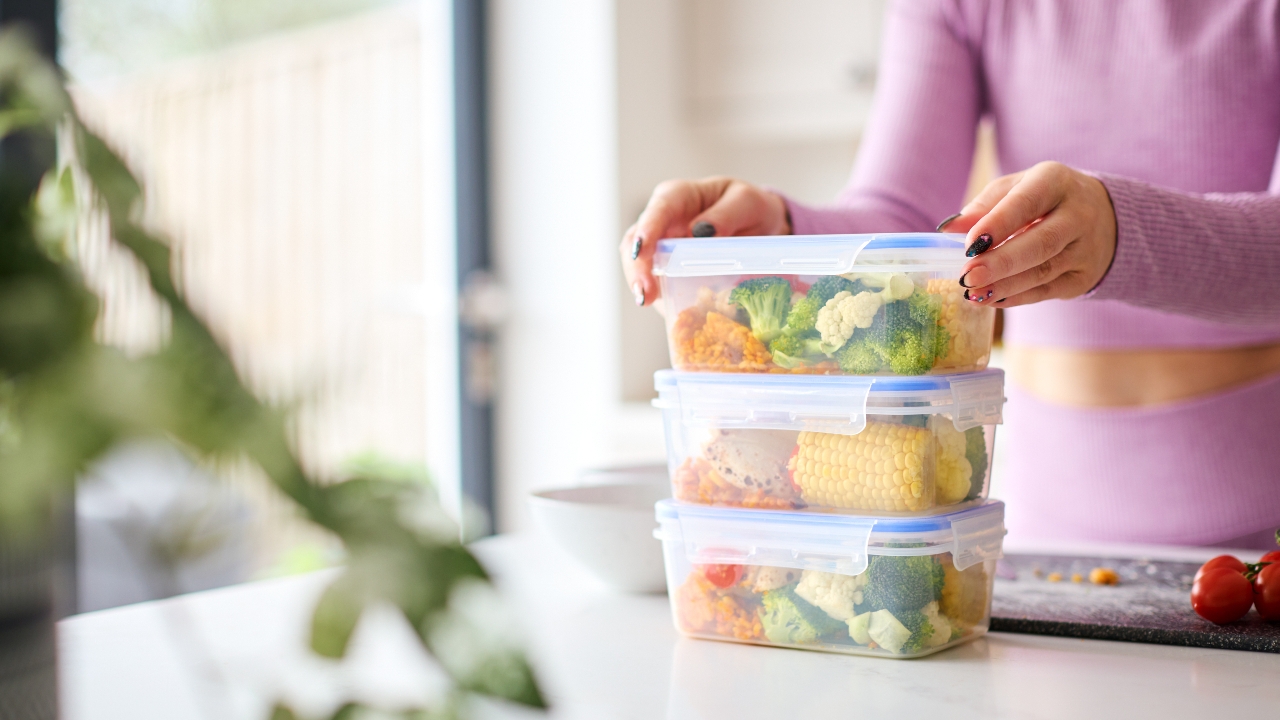
An in-depth look at storing vegetables in the refrigerator using "Ziploc bags" versus "vacuum containers," updating food preservation techniques that extend vegetable freshness, reduce spoilage, and help select the most cost-effective option.
Buying fresh vegetables to stock the refrigerator for cooking is common in every household. However, a frequent problem is vegetables wilting, spoiling, or accumulating moisture that forces early disposal. Data from the United Nations Environment Programme (UNEP) states that over 11% of global food waste occurs within homes. Knowing correct food storage methods not only reduces waste but also saves money over time.
Currently, two popular vegetable storage techniques in refrigerators are the use of Ziploc bags and vacuum containers, each with distinctly different preservation mechanisms and costs.
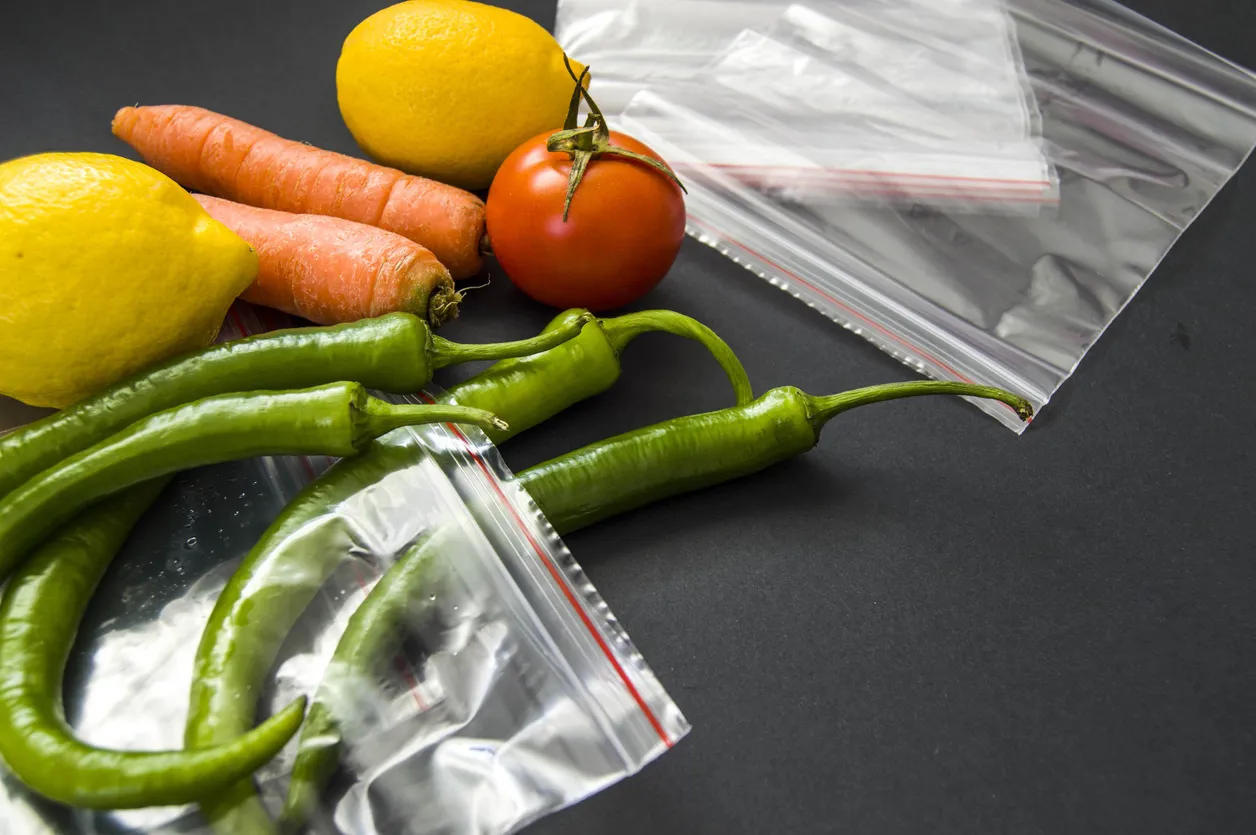
Using Ziploc bags focuses on convenience and space efficiency. The bags help prevent moisture loss from vegetables and block odors from other foods.
Vacuum food storage containers work by using a pump or special valve to remove air and oxygen completely, creating a low-pressure, oxygen-free environment inside.

Comparison Categories | Ziploc Bags | Vacuum Containers |
Freshness Duration | Moderate (about 5-7 days) | Long-lasting (about 14-21 days or more) |
Space Efficiency | Excellent (flexible, fits easily into corners) | Moderate (rigid shape, takes up more space) |
Initial Cost | Very low (a few baht per bag on average) | High (a long-term investment) |
Durability and Reuse | Reusable 2-3 times (difficult to clean if greasy) | Reusable for many years, easy to clean |
Suitable Vegetable Types | Long vegetables, coriander, spring onions, lemongrass | Leafy salads, chopped vegetables, soft fruits |
From a long-term financial and freshness preservation perspective, vacuum containers are the winner for those who like to stockpile large amounts of vegetables, significantly reducing vegetable waste.
However, if refrigerator space is limited and meals are consumed within a few days, using Ziploc bags along with multipurpose paper towels to absorb moisture is an efficient and budget-friendly vegetable storage method. The most important factor is choosing what fits your lifestyle and home space.