

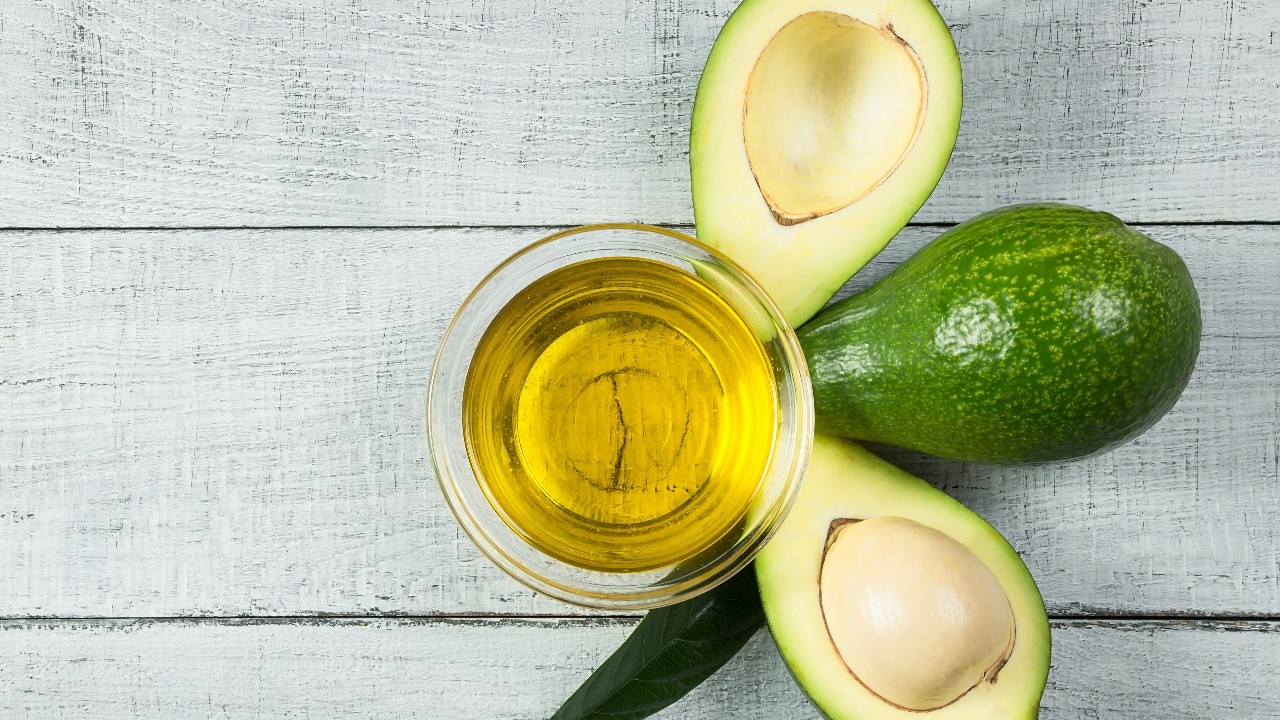
For health-conscious consumers willing to pay more for products labeled"made with avocado oil"whether clean chips, organic salad dressings, or homemade-style mayonnaise, believing these to be healthier and cleaner than ordinary vegetable oils, this news might prompt you to urgently check the oil bottles and snacks in your fridge.
Recently, a groundbreaking study from the University of California, Davis (UC Davis) revealed that most processed food products on the market labeled as containing avocado oil are actually adulterated with much cheaper, lower-grade vegetable oils.
According to a report published in the journal Science Direct, researchers tested 54 processed food products claiming to be made with avocado oil by analyzing their chemical composition in the lab. The results showed that 48 products failed because they were secretly mixed with canola or safflower oils to cut costs.
Examining categories more closely, the results are even more alarming for health-conscious consumers.
Professor Dr. Selina Wang, lead researcher, explained that this discrepancy arises froma "legal gap."In contrast to olive oil, which has been strictly regulated and monitored for decades, with only one product failing parallel tests, avocado oil—which has only gained popularity in the past 10 years—lacks rigorous industry standards. This allows savvy suppliers to sneak in cheaper oils before selling to well-known brands, which might themselves be unaware they have been deceived.
The greatest pain for consumers in this issue is"money"and"trust."In terms of a healthy lifestyle, we accept paying premium prices for the promise of"better-for-you"products, as natural avocado oil is known for being low in saturated fat and rich in heart-healthy fats.
However, price comparisons show that products claiming to use avocado oil cost over 500% more—more than five times the price of regular items. For example, in foreign markets, regular mayonnaise averages 10 cents per ounce, while health-brand avocado oil mayonnaise can cost 65 to 67 cents per ounce. Consumers paying such high prices but receiving ordinary canola oil widely available elsewhere represent a complete loss in value and a severe exploitation of health-conscious buyers.
Until consumer protection agencies implement strict regulations, clean-eating consumers must rely on themselves to scrutinize products more carefully by trying these tips:
In today’s luxury lifestyle, it is not just about buying the most expensive or health-labeled products, but about seeing through marketing deception and protecting your money so that every baht spent truly results in better health, not just false comfort bought with low-grade oils.
Source: forbes