

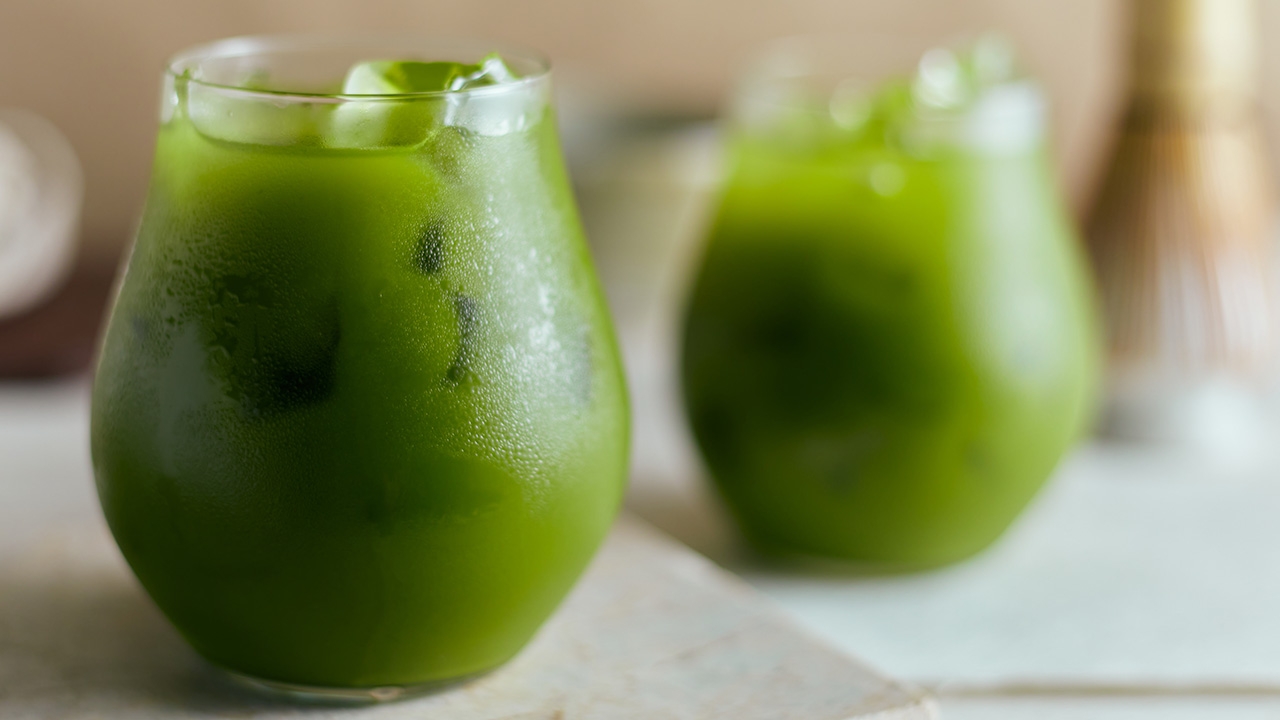
Many people wake up in the morning and drink "matcha" hoping to feel refreshed but instead experience nausea. This symptom is caused by tannins and caffeine; here is a clear explanation of whether drinking on an empty stomach is okay, along with the correct drinking schedule.
Matcha (Matcha) is a popular beverage rich in antioxidants and numerous health benefits, leading many to choose it in the morning as a coffee substitute for an energy boost. However, for some, drinking their favorite matcha in the morning is followed by symptoms of "nausea" or abdominal cramping. What causes these symptoms, and can we truly drink matcha on an empty stomach?
Nutritional data shows that nausea after drinking green tea or matcha usually results from the reaction of two main compounds found in tea leaves:
The answer is "not recommended." For those with acid-sensitive stomachs or a history of gastritis and acid reflux, although matcha has benefits, drinking it on a completely empty stomach may do more harm than good.
However, some individuals with resilient digestive systems and no previous issues might tolerate diluted matcha in the morning, but for long-term health, adjusting drinking habits is advisable.

If you love matcha but want to avoid nausea, you can adjust your habits as follows:
Drink after meals Eat breakfast first or have a small snack like whole wheat bread, banana, or crackers before drinking matcha. Food helps absorb stomach acid and reduces irritation.
Avoid overly concentrated brews If you want to drink matcha in the morning, reduce the amount of matcha powder or choose matcha latte (with milk), as milk’s protein and fat dilute tannin concentration.
Do not replace plain water with matcha right after waking Upon waking, the body needs hydration. Drink 1-2 glasses of water first to stimulate digestion and dilute stomach acid.
Choosing the right time to drink matcha aligned with your body's rhythms maximizes nutrient benefits without harming health.
Time | Suitability | Health benefits and reasoning |
| 30-60 minutes after meals | ✅ Recommended | Safest for the stomach, preventing tannins from interfering with iron and protein absorption. |
Mid-morning or early afternoon (10:00-11:00 AM or 1:00-2:00 PM) | ✅ Recommended | Refreshes without causing palpitations; as cortisol (alertness hormone) drops, matcha boosts energy effectively. |
| 30 minutes before exercise | ✅ Recommended | Accelerates fat burning; EGCG and caffeine stimulate metabolism and improve energy use. |
| On an empty stomach / just after waking | ❌ Not recommended | Risks stomach pain and nausea; tannins and caffeine stimulate acid secretion, irritating the stomach lining. |
Evening / before bedtime (4-6 hours before sleep) | ❌ Not recommended | Disturbs sleep; caffeine may linger in the bloodstream, causing difficulty falling or staying asleep. |
Nausea from drinking matcha in the morning is caused by tannins and caffeine stimulating stomach acid secretion. Therefore, drinking matcha on an empty stomach is not advisable. Adjust to drinking after meals or at appropriate times to safely gain the antioxidant benefits of matcha and promote optimal health.