

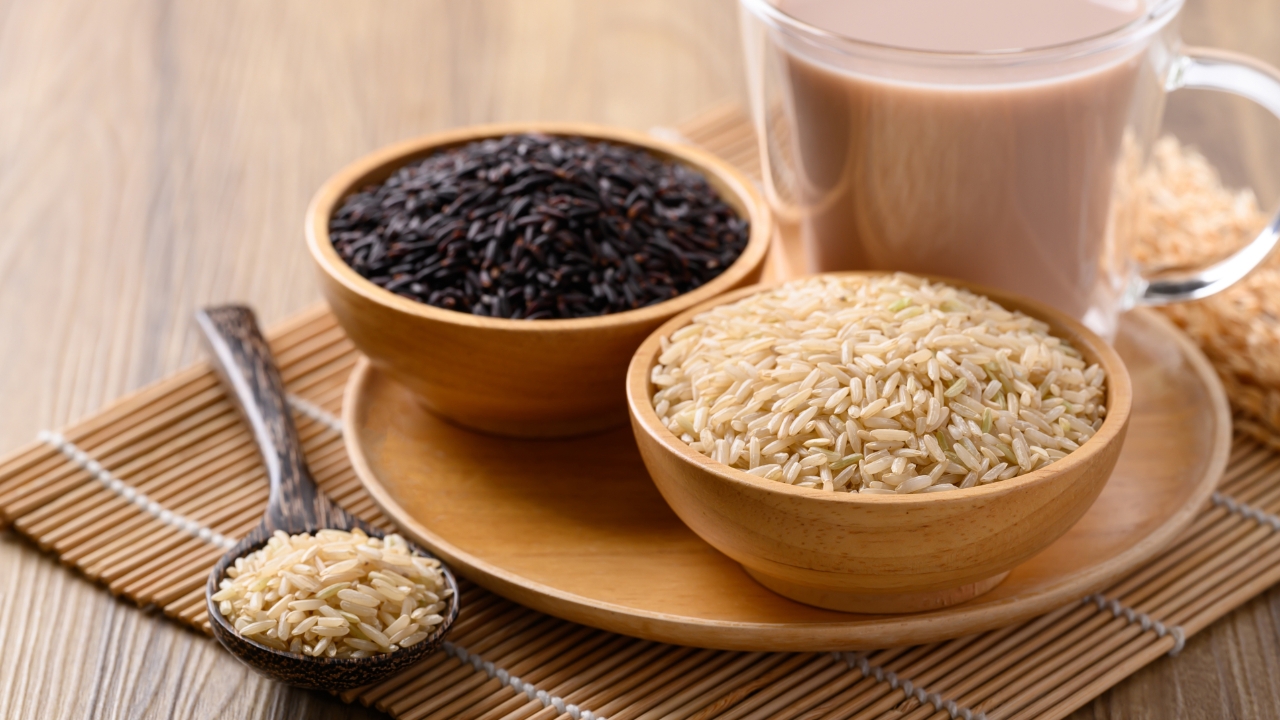
The health-conscious trend remains strong, making rice selection important. Which is healthier: brown rice or Riceberry? Let's check their benefits and glycemic index to choose the best option.
The health-conscious trend remains strong, making rice selection important. Which is healthier: brown rice or Riceberry? Let's check their benefits and glycemic index to choose the best option.
Nowadays, as people pay more attention to their diet, "white rice," once a staple at every meal, is being replaced by unpolished rice varieties with higher nutritional value. The two popular types often compared are brown rice and Riceberry, which differ in variety, texture, and specific health benefits.
Brown rice is rice with the husk (chaff) removed but still retains the bran and germ. It has a crunchy texture and requires more chewing than regular rice.
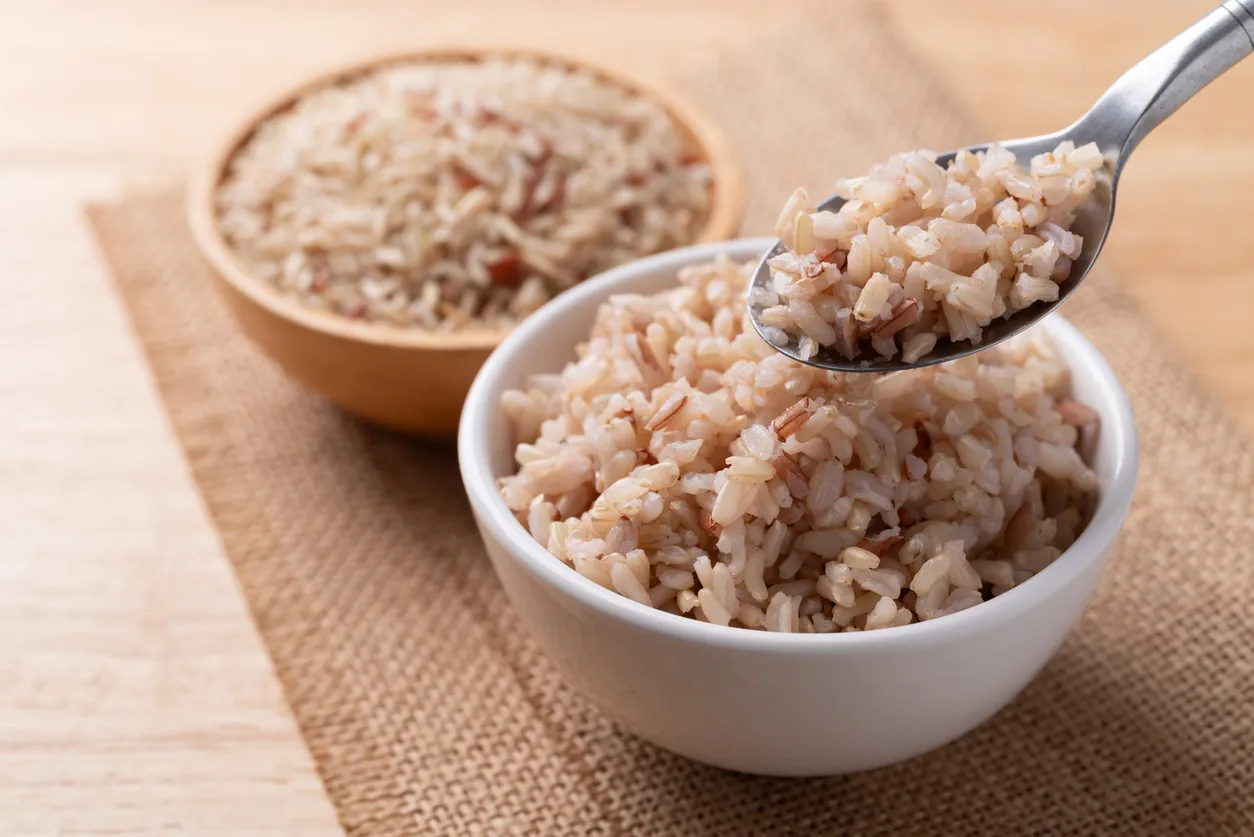
According to the Nutrition Division, Department of Health, brown rice is rich in vitamins B1 and B2, which support the nervous system and brain. It also contains three times more fiber than white rice, aiding digestive efficiency and promoting longer satiety—ideal for those controlling meal portions.
Riceberry is a hybrid rice developed by Kasetsart University’s Rice Science Center, crossing Hom Nin fragrant rice with Jasmine 105 rice. Its grains are dark purple to black due to anthocyanins, natural pigments with potent antioxidant properties.

Nutritional studies show Riceberry is high in iron, zinc, vitamin E, and folate, which help nourish the blood, slow cell aging, and support the immune system.
From a weight control and blood sugar perspective, both rice types have slightly different glycemic index (GI) values.
These characteristics mean both rice types are digested and absorbed slowly, reducing rapid insulin release, stabilizing blood sugar levels, and effectively curbing hunger throughout the day.
The answer to which is healthier depends mainly on individual health goals.
If you prioritize digestion, vitamin B intake, and cost savings, brown rice is an excellent basic choice. If your focus is on antioxidants, skin nourishment, and anti-aging benefits, Riceberry better meets those needs.
However, the most important factor is controlling portion sizes appropriately each day and eating a balanced diet with all five food groups to ensure sustainable, balanced nutrition.