

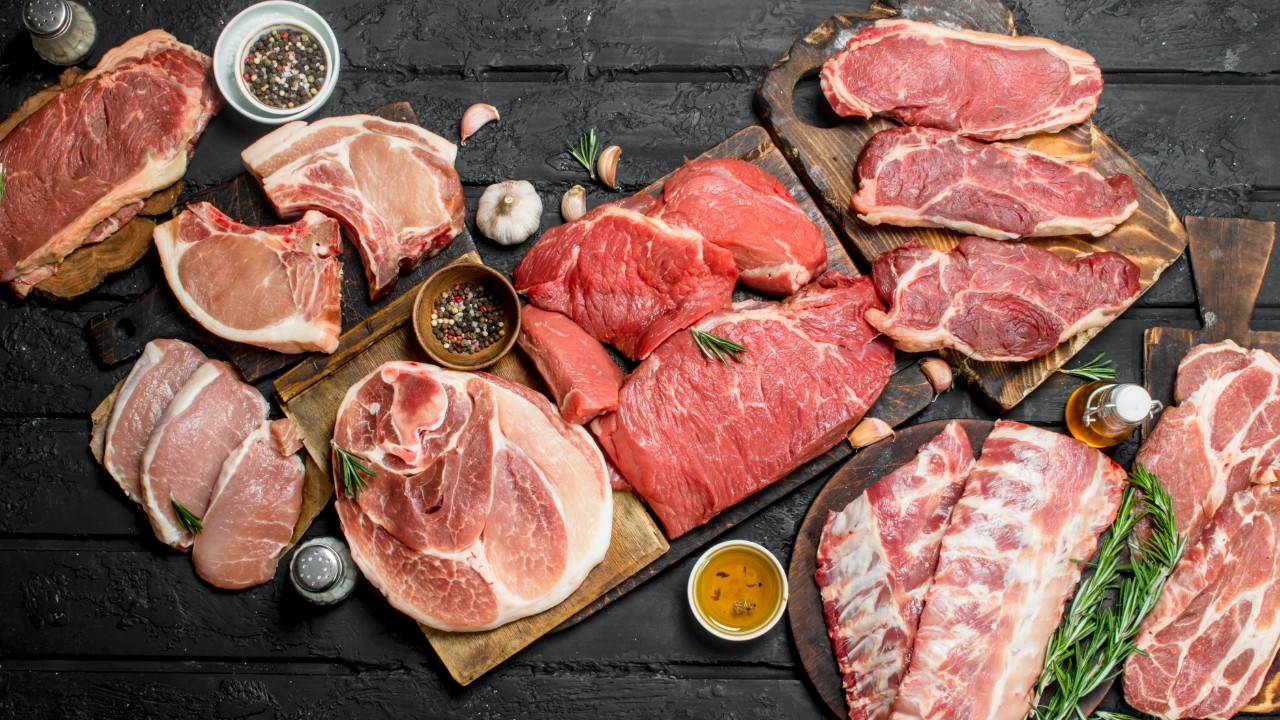
Tired of buying meat only to end up with tough, hard-to-chew dishes? Here’s how condo residents can select pork and beef cuts correctly to cook easy, deliciously tender meals while saving money.
Cooking at home in a condo to save money often falls short due to the problem of "tough meat that's hard to chew." Whether stir-frying pork or beef, making steak, or curry, ending up with dry, tough meat can be frustrating and feel like a waste of money.
In fact, tough meat isn’t solely due to cooking skills but depends on "choosing the right meat cut for the dish" and "preparation techniques." Condo dwellers who understand these principles can make tender, tasty meals within a comfortable budget.
Three main factors contribute to tough meat.
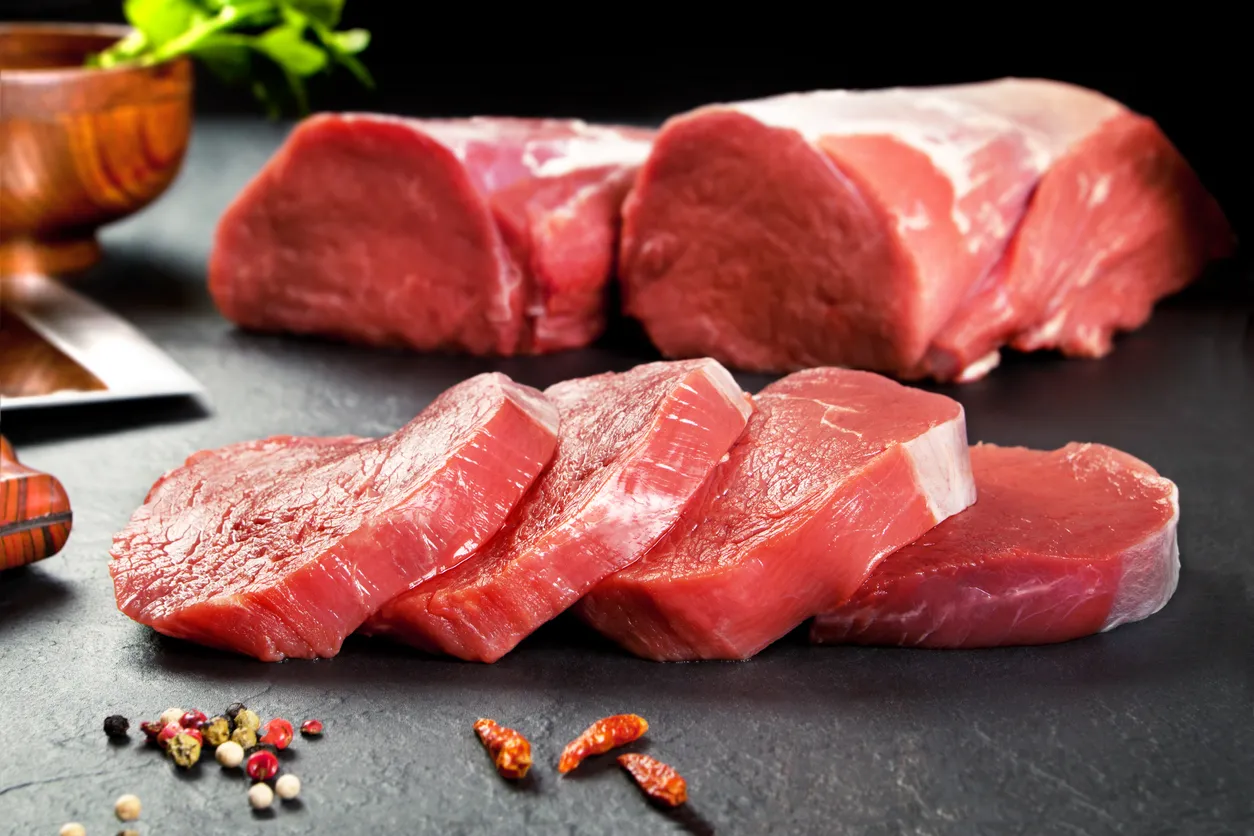
For condo kitchens with limited equipment such as electric stoves or pans, selecting the proper pork cuts is crucial.
Pork cuts | Key characteristics | Suitable dishes | Tenderness level |
Pork Collar | Well-marbled with fat throughout, tender and juicy. | Stir-fry, grill, steak, shabu. | Very tender. |
Tenderloin | Low-fat content but fine fibers, smooth texture. | Stir-fry vegetables, fried pork, clear soup. | Medium to very tender. |
Pork Loin | Firm meat with fat on edges, good for those who prefer firmer cuts. | Steak, tonkatsu (fried pork cutlet). | Medium tenderness; requires marinating. |
Pork Leg/Rump | Firm meat with lots of muscle, economical price. | Boiling, stewing, minced for clear soup. | Easily tough if not cooked long enough. |
To save money, it’s recommended to buy pork collar or ground pork since they’re easy to cook, require less time, and rarely have toughness issues.
Beef is pricier than pork, so picking the wrong cut wastes money. Professional chefs and food experts recommend:

If you buy relatively firm cuts, these simple techniques can help.
1. Cut across the grain.
2. Use natural tenderizers.
3. Avoid salting meat too early.
Adding salt to meat too far in advance draws out moisture, causing dryness and toughness when cooked.