

Have you ever walked past a restaurant and seen a tempting premium food promotion, with prices or discounts that seem worthwhile, describing the menu as "premium ingredients" Our brains are often instantly triggered to rush in and buy or use the service immediately.
Certainly, many times we are not drawn in by price tags alone but enticed by luxury values, leading us to easily pay hundreds of baht. Today, we reveal the secrets behind the scenes, dissecting popular food menus whose actual ingredient costs are sometimes very low, yet we pay exorbitantly due to pure marketing.
Thairath Online invites you to question yourself before paying each time: Do we really want to eat this menu, or do we just feel it's worth it because of the price and advertising?
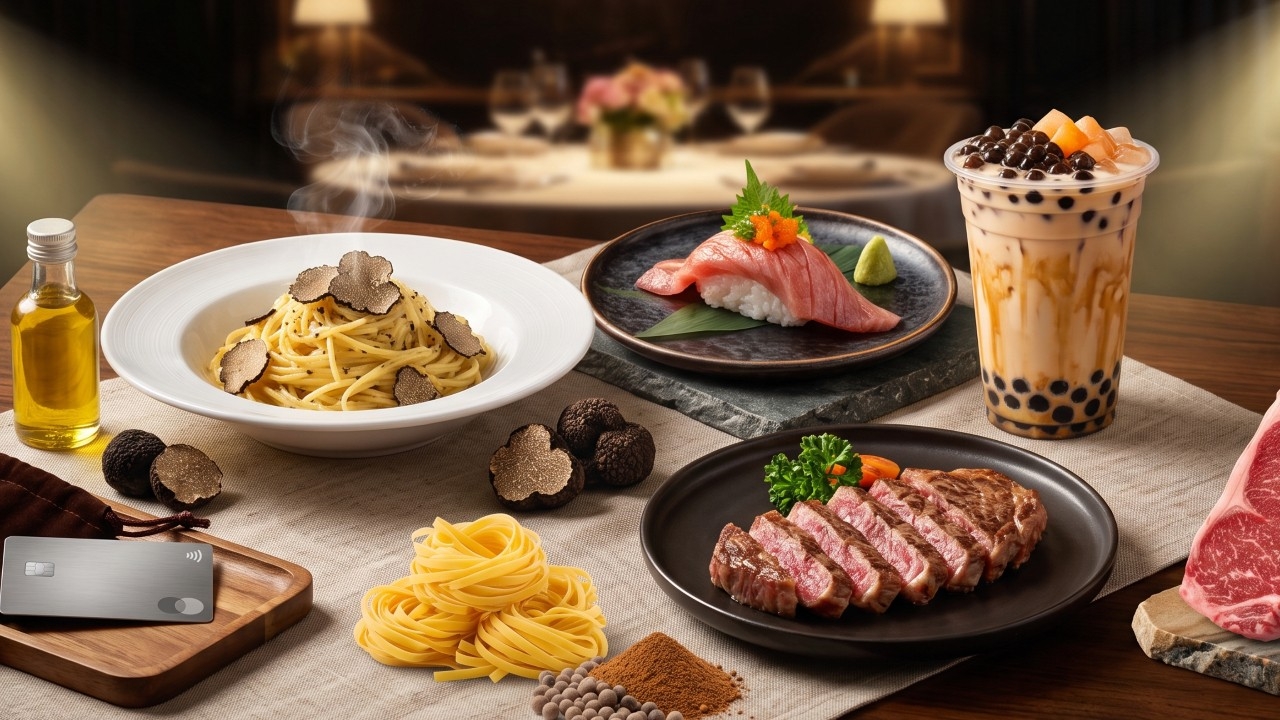
Whether it’s truffle French fries, truffle soup, or truffle sauce pasta, the moment this word appears on the menu, prices jump by at least 50-100 baht.
The surprising truth is that typical restaurants, not fine dining, rarely use fresh sliced truffles but instead add just a few drops of "synthetic truffle oil." The cost per dish may only rise by a few baht, but diners pay more because of the luxurious image associated with the truffle name.
This comforting drink commands prices of 80-150 baht per cup, yet breaking down the cost of a regular bubble tea—not specialty grade tea—shows main ingredients are tea powder/leaves, non-dairy creamer, syrup, and tapioca pearls, costing only about 15-20 baht per cup. The rest covers branding, attractive packaging, and mall rent.
This category carries a "health lover's tax," such as clean chicken breast salads, granola bowls, or avocado sandwiches. Buying ingredients at the supermarket to make these yourself costs only 30-50 baht per meal. But when packed in eco-friendly kraft paper boxes labeled "Organic" or "Low Calorie," prices jump to 150-250 baht. Consumers willingly pay more for convenience and image.
Eating omakase means buying an experience and chef’s skill. In courses costing thousands to tens of thousands of baht, there are often inserted dishes that lower the restaurant’s average cost, like steamed egg (Chawanmushi), tamagoyaki, or clear soups. These cost very little compared to uni or otoro, but the ambiance and serving order make us feel it’s a premium value worth trying.
For example, premium coffee at some cafes named "Premium Hazelnut Latte" or "Caramel Macchiato" may be priced 30-40 baht higher, but it’s essentially medium-grade roasted coffee with synthetic syrup added. Or bingsu, a large dessert priced at 200-300 baht, mainly consists of "milk and ice" shaved into fine flakes, topped with malt powder or small amounts of fruit. Actual ingredient costs are very low, but we pay for the photo-worthy design.
Popular Italian dishes often priced at 150-300 baht per plate primarily use "pasta noodles" made from flour and water, which are very cheap. The sauce, often adapted from tomato sauce or non-dairy cream, also costs very little. Ultimately, the restaurant’s atmosphere suitable for social media content influences the price.
In convenience stores, water advertised as vitamin-infused or natural mineral water in minimalist bottles is often 2-3 times more expensive than regular water, even though the tiny amount of added vitamins barely affects overall cost. What the brand sells is a "lifestyle" that makes consumers feel refreshed and health-conscious.
The word "wagyu" literally means Japanese cow and comes in many grades. Street food or affordable buffet restaurants often use this term to name dishes like "Wagyu basil stir-fry" or "Wagyu sushi" to justify higher prices, even if the meat used is regular-grade crossbred beef or cheaper cuts of real wagyu sliced thin. The wagyu label is a powerful marketing tool to draw money from customers.
Of course, paying for these items is not wrong, as often we pay for "happiness," "convenience," and "ambiance." But in an economy where spending requires thought, understanding hidden costs and marketing tactics helps us pause, seek proof, and filter whether we are truly hungry and want to reward ourselves, or if we are just hypnotized by promotional signs and advertising.
Photo: Gemini 3.1 Pro