

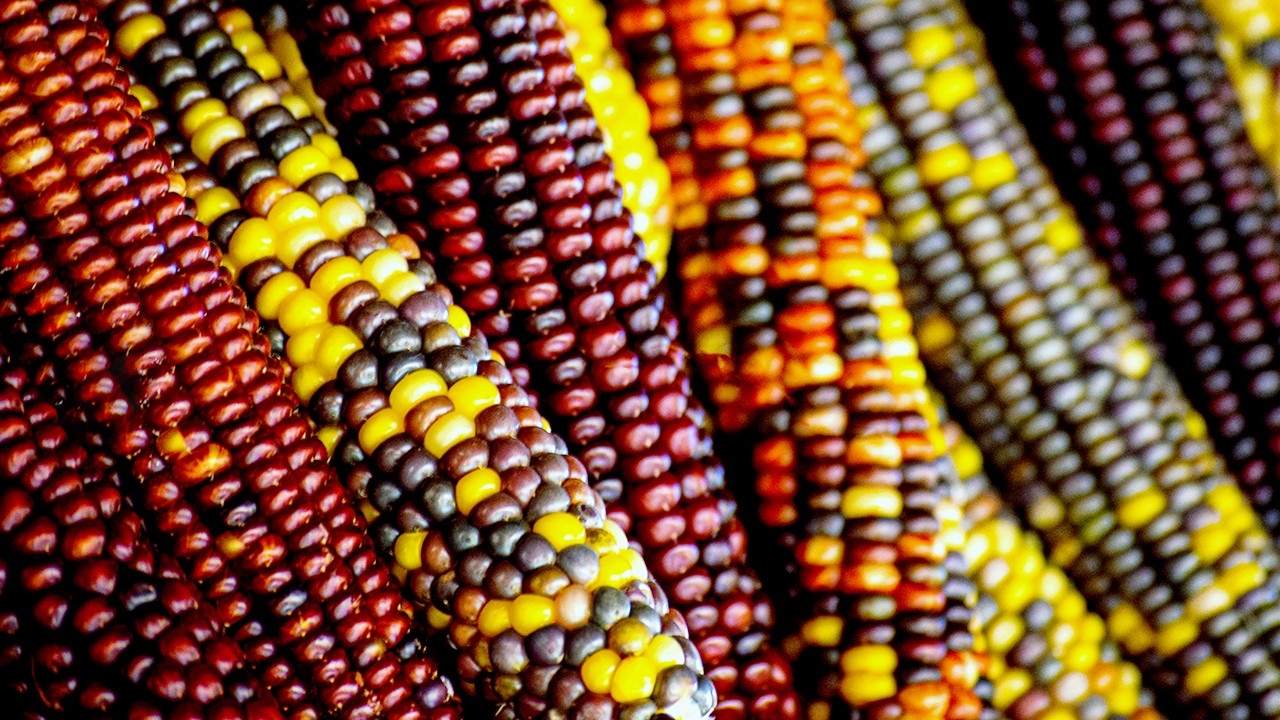
Corn comes in more colors than just the commonly seen yellow and white; it also appears in purple, red, orange, and multicolored kernels within a single ear. Each color indicates different nutritional values. Today, Thairath Online explores the benefits of the various corn kernel colors.
"Corn"is one of the popular cereal crops familiar to Thai people. Most imagine bright yellow boiled corn or white sticky corn. However, botanically and through breeding, corn exhibits high genetic diversity, resulting in different colors depending on the types of plant pigments accumulated in the kernels.
Based on nutritional and agricultural data, commonly found corn varieties today can be classified into these main color groups:
1. Yellow Corn This is the most widespread group, such as sweet corn.
2. White Corn Commonly found in sticky or glutinous corn varieties, with a soft, chewy texture.
3. Purple and Blue Corn Increasingly popular among health-conscious consumers.

4. Red and Orange Corn Often native or selectively bred varieties enhanced for nutritional value.
5. Glass Gem or Fancy Corn
Corn featuring multiple colors withina single ear,such as pink, green, blue, and orange. This results from crossbreeding native strains to preserve genetic diversity. The varied kernel colors arise from diverse pigment gene expression. While edible, these are mainly processed into flour, popcorn, or used for decorative purposes.
Historically, corn originated in South and Central America, where indigenous peoples selectively bred it over thousands of years. Traditional corn was already diverse in color. The predominance of yellow or white corn today stems from industrial breeding focused on sweetness, texture, and yield. However, modern health trends have revived interest in multicolored corn varieties.
The question“How many colors does corn come in?”The answer is that corn comes in a variety of colors—from yellow, white, purple, red, orange, to multicolored ears—each differing in their types of "antioxidants" and "nutritional value." Eating a variety of corn colors helps the body receive a full range of nutrients. It is also recommended to consume corn in appropriate amounts alongside other food groups to maintain a balanced diet.