

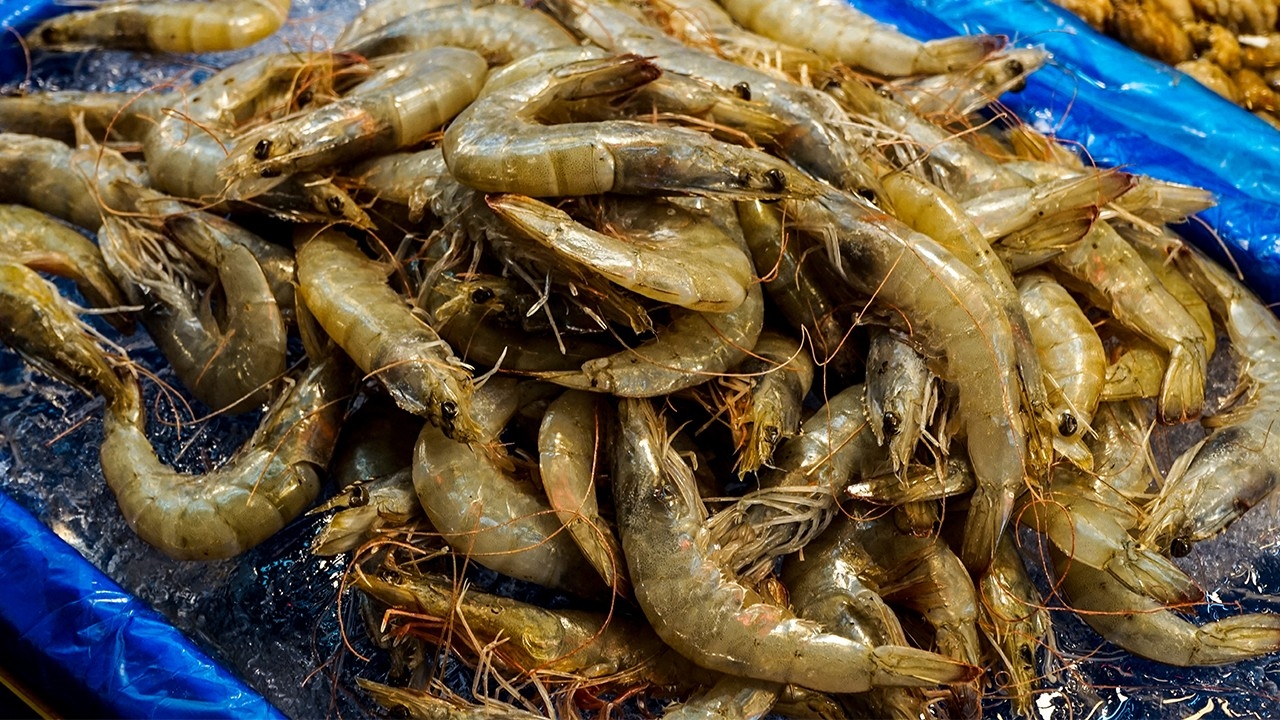
No more problems with mushy shrimp! Revealed how to choose fresh shrimp simply by checking the eyes, shell, and smell, you can get firm, sweet, and springy shrimp that are safe for health and perfect for any seafood dish your family will love.
" Shrimp is a popular staple in Thai kitchens. Whether used in Tom Yum Goong, grilled shrimp, or Pad Thai, it always pleases the palate. Choosing fresh seafood is crucial because shrimp that aren’t fresh not only become mushy and smelly but can also harbor bacteria that cause food poisoning.
Thairath Online shares expert tips on how to select "fresh shrimp" so consumers can enjoy full nutritional benefits and pick fresh, safe ingredients for home cooking. How to identify fresh shrimp? When shopping at the market or
buying seafood can be challenging for beginners, but in reality, spotting fresh shrimp is easy by checking six key points:1. Naturally curved bodyFresh shrimp naturally have slightly curved bodies because their muscles are still firm. If you see shrimp with straight, limp, or unnaturally stretched bodies, they are usually old and their muscles have begun to deteriorate (except some frozen shrimp types stretched during packaging).
The first thing to check is the eyes. Fresh shrimp have clear, large, jet-black eyes firmly attached to the head, not loose or sunken. Cloudy or shriveled eyes indicate the shrimp is no longer fresh.
The shell is a good freshness indicator. Good fresh shrimp have shiny shells with bright colors depending on species (e.g., white-pinkish for whiteleg shrimp). The shell should be hard, not soft or slippery, and tightly attached to the flesh. If the shell peels off easily, the shrimp is old.
The joint between the head and body deteriorates fastest. Fresh shrimp have a tight connection between head and body, no dangling parts, and no dark, slimy liquid oozing from the head area.

Gently press the shrimp's body with your finger. Fresh shrimp flesh is firm and springs back, not leaving dents or collapsing. Soft, mushy flesh indicates tissue breakdown.
Seafood naturally has a mild ocean scent, which is normal. However, there must be no rotten, pungent, or ammonia-like odors, as ammonia smell results from protein decomposition by bacteria, making it unsafe to eat.
Besides the above tips,
which likely means improper temperature storage, reducing nutritional quality and possibly affecting hygiene. Selecting fresh shrimp is not difficult—just observe clear eyes, tight shells and heads, springy flesh, and absence of strong odors. This way, you’ll have high-quality, tasty, and safe ingredients to confidently create your favorite dishes.