

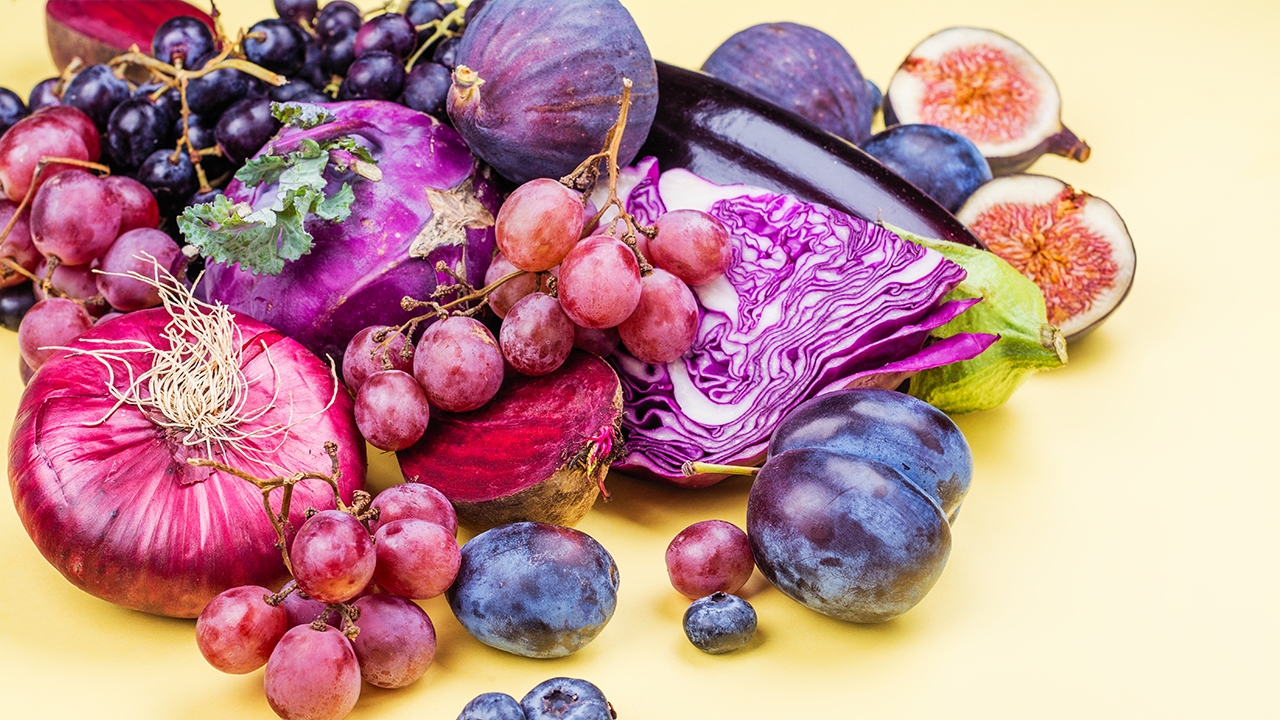
Purple Foods are a source of anthocyanins, powerful antioxidants that help slow aging, support eye health, and reduce the risk of chronic diseases. Let's get to know 10 Purple Foods that should be stocked in your kitchen for good health.
The current health care trend goes beyond just counting calories; food choices "Five-Color Foods" especially purple foods, are gaining much attention among health enthusiasts. Although the color may seem unusual, nutritionally, the deep purple seen in vegetables and fruits signals abundant health benefits for the body.
Nutrition organizations report that the purple, blue, and deep red colors in plants come from natural pigments called anthocyanins, which belong to the flavonoid group. These compounds have antioxidant properties more effective than vitamins C and E.
Plants with purple coloring have long been used as longevity medicines. Current research supports that anthocyanins help protect cells from damage, reduce inflammation, support eye health, lower the risk of cardiovascular disease, and slow brain cell degeneration.
A source of complex carbohydrates providing sustained energy, rich in anthocyanins, vitamin C, and dietary fiber. Nutritional data shows purple sweet potatoes better regulate blood sugar levels than regular potatoes and promote healthy digestion.
A Thai rice variety developed into a global superfood, with a deep purple almost black color, rich in antioxidants, folate, omega-3, and iron. Suitable for those aiming to control weight and diabetic patients.
A berry fruit hailed as the "king of antioxidants," playing a key role in brain health, memory enhancement, and protecting the retina from blue light.

Contains several times more anthocyanins than green cabbage, also high in vitamin C to boost immunity and sulfur compounds that aid liver detoxification.
The skin is rich in nasunin, a special antioxidant that protects brain cell membranes and helps reduce cholesterol levels in blood vessels.
Besides anthocyanins, the skin and seeds contain resveratrol, a compound recognized by the medical community for its anti-aging properties and heart health benefits.
Rich in quercetin and anthocyanins, they have anti-inflammatory effects, help relieve allergy symptoms, and reduce the risk of blood clots.

A juicy, low-calorie fruit rich in betacyanin, which acts as an antioxidant, promotes radiant skin, and contains natural prebiotics that nourish gut microbiota.
A dark purple fruit excellent for digestive health, high in iron and potassium, helping nourish the blood and regulate normal blood pressure.
A traditional Thai herb very high in anthocyanins, commonly used in drinks and foods. It stimulates blood circulation, supports eye health, and promotes shiny, thick hair.
Anthocyanins are water-soluble and can degrade easily with prolonged high heat. Therefore, cooking purple foods with low heat or briefly, such as steaming, blanching, or consuming them fresh after washing, is recommended. Additionally, eating them with small amounts of healthy fats like olive oil or avocado enhances the absorption of certain nutrients and vitamins.
Regularly adding colorful purple fruits and vegetables to meals, combined with a balanced diet, adequate hydration, and regular exercise, is key to maintaining good health, slowing aging, and preventing chronic diseases.