

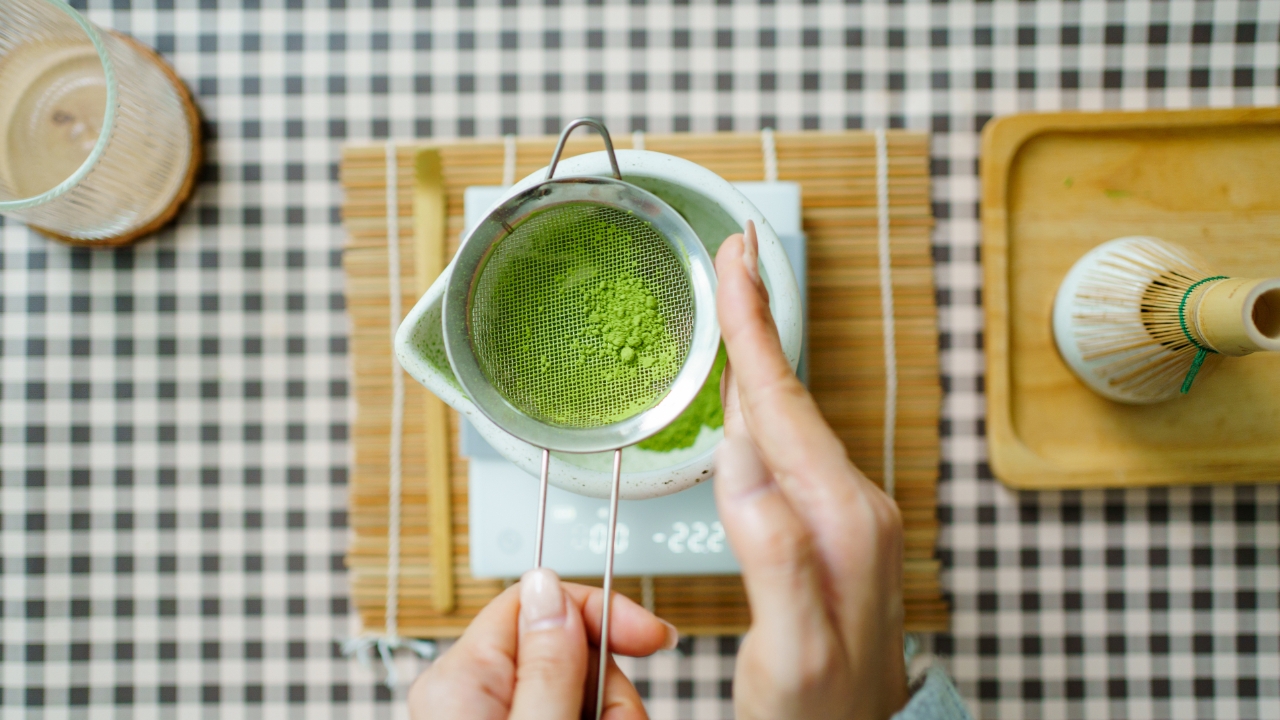
Unraveling the mystery for matcha lovers! Why does matcha priced at 50 baht per cup differ so much from that at 200 baht—a fourfold price gap? We dive deep into tea grades, flavors, and value that green tea fans should not miss.
In the afternoon when refreshment is needed, “matcha” has become a top choice for office workers and health-conscious people. But upon entering beverage shops, many wonder why some sell matcha for 50 baht a cup while others price it at 200 baht or more. What accounts for nearly a fourfold price difference, and as consumers, what exactly are we paying for?
Based on collected information about production processes and grading of green tea matcha, the price difference is not just about the “brand” or “shop decor” but starts from the type of tea leaves, growing region, and processing steps.
The key reason prices differ so clearly is the matcha grade, mainly categorized as follows.

To make it clear and easy to understand, the differences can be compared as follows.
Comparison category | Matcha priced at 50 baht per cup | Matcha priced at 200 baht per cup |
Tea leaf grade | Later harvest leaves | First harvest leaves |
Matcha powder color | Yellowish-green or dull dark green | Bright, vivid green; the fresher, the higher the quality |
Taste profile | Strongly bitter and astringent; often relies on added sweetness or milk | Umami, smooth, with natural sweetness |
Grinding process | Ground by industrial machines (generates high heat) | Ground slowly with a stone mill (preserves nutrients and aroma) |
Ingredients in the cup | Often mixed with creamer, sugar, or condensed milk | Brewed with hot water or quality fresh milk, without focusing on added sweetness |
Suitability | For refreshing, economical drinking with good value for money | For refined taste, authentic tea experience, and health benefits |
Another factor making ceremonial grade matcha more expensive is the grinding process. High-quality matcha must be ground with a stone mill in a temperature-controlled room. The mill turns slowly to prevent heat buildup, which would destroy nutrients and aroma. One stone mill may produce only 30–40 grams of powder per hour, unlike industrial machines that grind large quantities quickly.
Value is not always about the cheapest price but depends on “your purpose for drinking.”

Understanding these price differences helps you buy with confidence, knowing every baht spent truly meets your needs.