

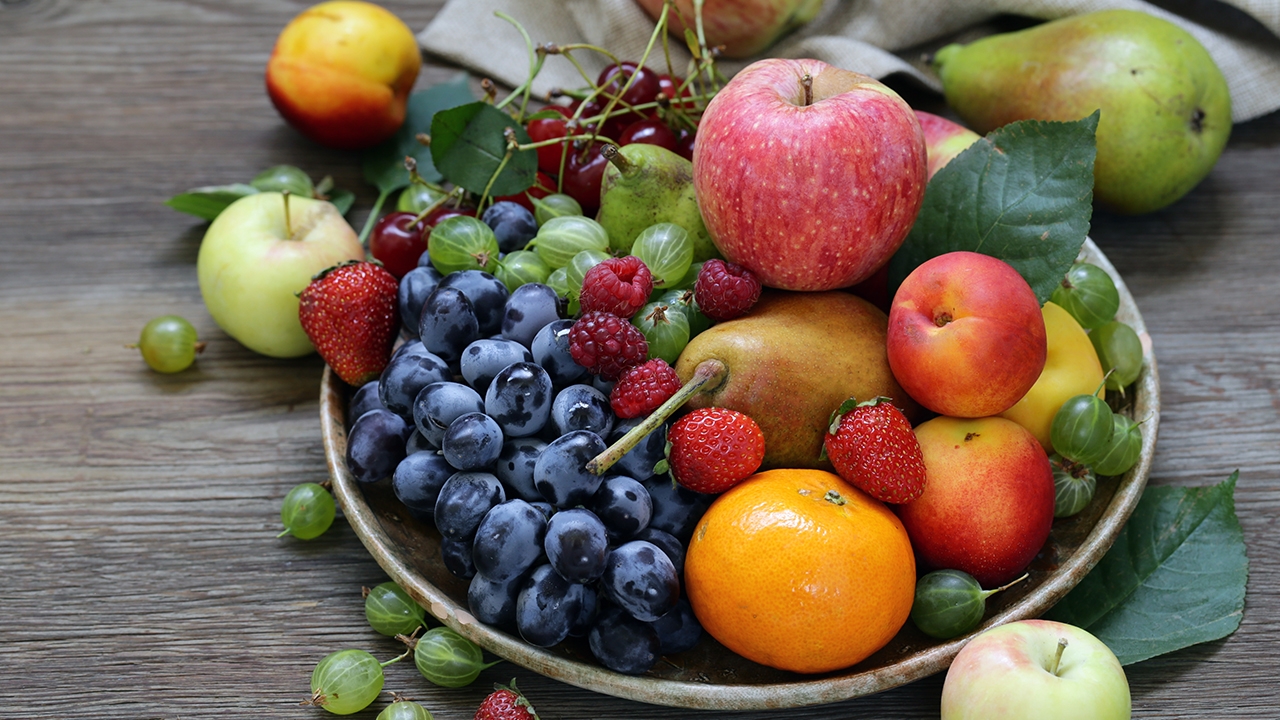
Choosing to eat "Low-sugar fruits" is an important option for health lovers and those wanting to control weight, as they provide high vitamins and fiber without affecting blood sugar levels. Let's see which fruits these are.
According to current health data from the Ministry of Public Health, Thai people have an increasing tendency to suffer from non-communicable chronic diseases (NCDs) such as obesity and diabetes, which continue to rise. One key cause isconsuming sugar beyond the recommended daily limit(no more than 6 teaspoons or about 24 grams). Many try to avoid sweets but often overlook "hidden sugars" found in very sweet fruits. Understanding and choosing to eat low-sugar fruits is therefore a key to long-term health care.
For those aiming to control weight or with high blood sugar, here are 10 fruits low in sugar and rich in nutrition (approximate sugar per 100 grams):
Guava is a low-energy fruit with sugar around 5-8 grams. It contains vitamin C levels 3-4 times higher than oranges and is very high in fiber, which helps prolong fullness and slows sugar absorption into the bloodstream.
Rose apple is juicy, with sugar around 5-7 grams and very low calories, making it ideal for quenching thirst and refreshing the body without adding accumulated sugar.
Especially white-fleshed dragon fruit has about 8 grams of sugar and is rich in antioxidants and natural prebiotics, which nutrition research shows support bowel health and balance gut flora.
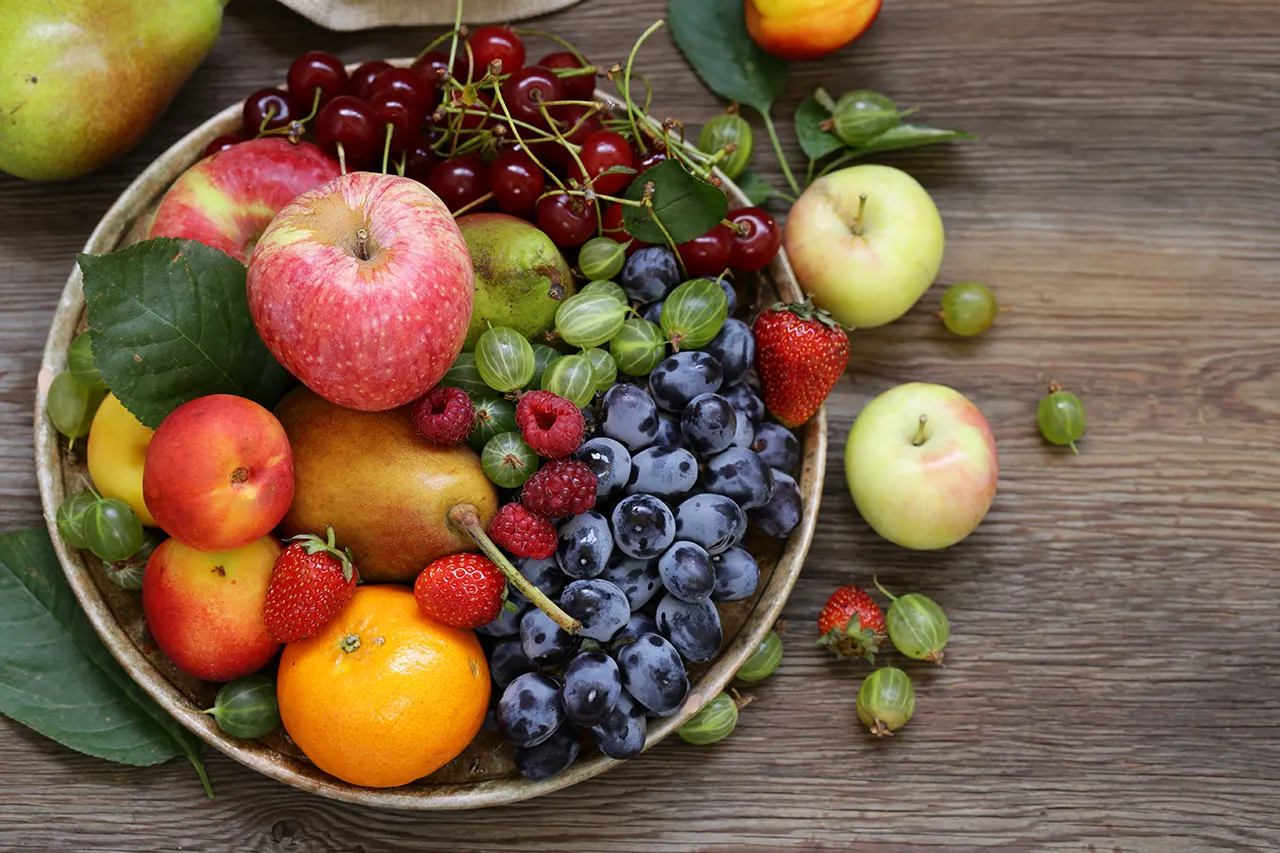
Green apples have less sugar than red apples, about 9-10 grams, and contain pectins—soluble fiber that helps trap fats and cholesterol in the digestive system.
Despite its sweet-tart flavor and fragrance, strawberries contain only about 5-7 grams of sugar and are rich in anthocyanins, which support eye health and blood vessels.
Avocado is the fruit with the lowest sugar, less than 1 gram per 100 grams. It stands out for its heart-healthy good fats that help reduce LDL (bad) cholesterol.
Unripe papaya has lower sugar (about 6-8 grams) than fully ripe papaya and contains the enzyme papain, which aids protein digestion and reduces bloating.
Pomelo has a low glycemic index and contains about 7-8 grams of sugar, suitable for diabetic patients seeking a refreshing fruit without rapid blood sugar spikes.
Kiwi contains about 9 grams of sugar and is rich in vitamins C and E, as well as fiber that boosts digestion and strengthens the immune system.
Blueberries have about 9-10 grams of sugar and are a "superfood" high in antioxidants among fruits, helping slow brain cell aging and nourish skin.
Although these 10 fruits are low in sugar, to gain maximum benefits, follow these nutritional guidelines:
Choosing to eat low-sugar fruits like guava, rose apple, or avocado is a smart choice for health, weight control, and reducing chronic disease risk. However, nutritional facts show no single food provides all nutrients alone. Sustainable good health requires a balanced diet from all five food groups, combined with regular exercise and sufficient rest.