

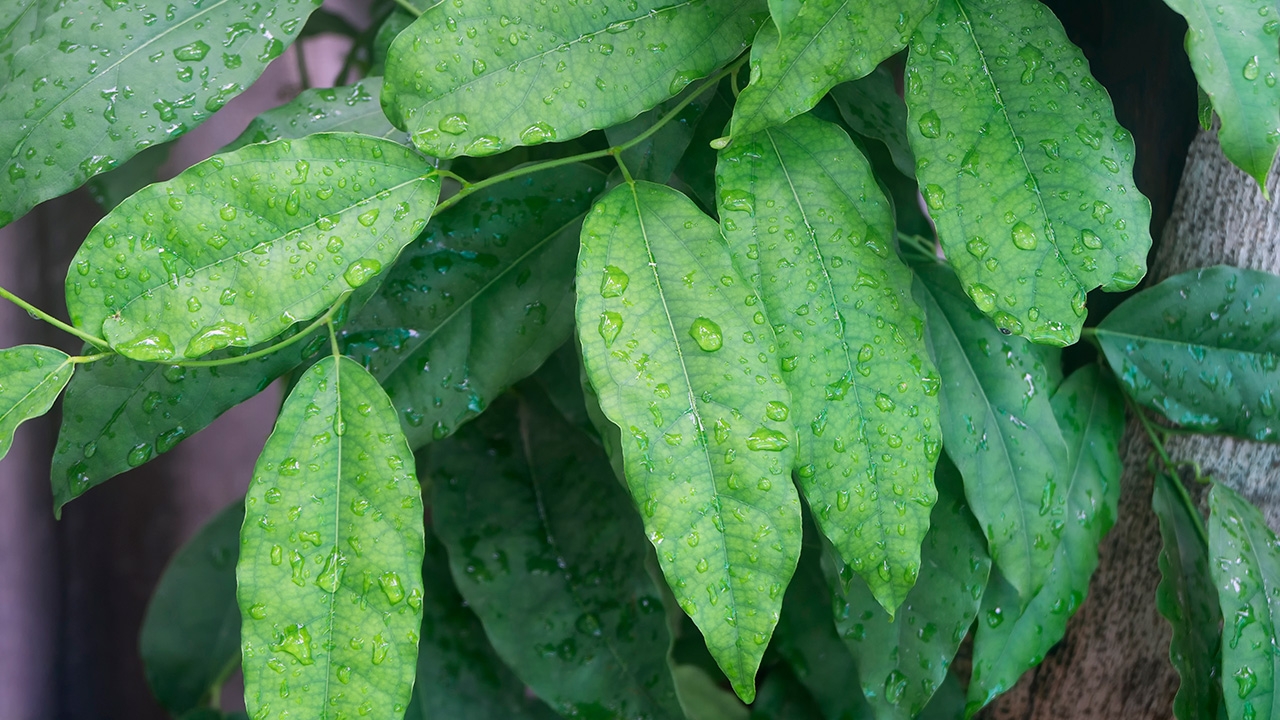
Health-conscious readers, check this in depth. The correct way to consume Yanang leaves. Which is better: fresh Yanang juice or boiled? Plus precautions before drinking for your body's safety.
"Yanang Leaf" is a herbal plant deeply tied to the lifestyle and food culture of Thai people, especially in the Northeast and North regions, for a long time. Traditionally, villagers pressed Yanang leaves to mix into various curries to reduce bitterness and enhance flavor. Nowadays, with growing health awareness, Yanang juice is consumed as a health drink. However, many may not know the correct way to consume Yanang leaves and whether fresh juice or boiled juice produces different effects. "Fresh pressed" versus "Boiled" which yields different results?
Information from the Department of Thai Traditional and Alternative Medicine states that Yanang leaves are classified as "cool-acting herbs" with prominent properties in cooling heat toxins, reducing fever toxins, and balancing the body. They are rich in chlorophyll, vitamin A, vitamin C, and calcium. To maximize benefits and avoid harm, the preparation method must suit the intended use.
For proper understanding in choosing consumption, differences are summarized in the following table.
| Consumption Method | Benefits Received | Precautions |
| Fresh pressed Yanang juice | Retains complete natural vitamin C, chlorophyll, and enzymes, helping refresh the body and quench thirst effectively. | Risk of bacterial and chemical contamination if leaves are not thoroughly cleaned. |
| Boiled Yanang juice | Safe from germs due to heat sterilization, longer shelf life, and reduced greenish odor. | Some heat-sensitive vitamins, like vitamin C, may be diminished. |
RecommendationsFor fresh juice to retain maximum nutrients, wash Yanang leaves under running water or soak in baking soda solution to reduce residues before pressing. Boiled juice suits those prioritizing cleanliness or cooking uses.

Making "Yanang juice" at home is a way to ensure 100% cleanliness and safety. It can be made both as fresh pressed juice to preserve chlorophyll and as boiled juice for longer storage. A key tip is using common herbs to mask Yanang's distinctive green odor.
Main ingredients for Yanang juice
15–20 fresh Yanang leaves (choose dark green leaves for higher chlorophyll)
2–3 cups of clean drinking water
3–5 pandan leaves (to add fragrance and reduce green odor)
Honey or stevia (to taste)
This recipe suits those wanting full vitamin C and natural enzymes.
Clean: Wash Yanang and pandan leaves thoroughly. Soak in baking soda water for 10 minutes, then rinse under running water.
Chop and blend: Cut Yanang and pandan leaves into small pieces for easier blending. Place in blender, add water, and blend until smooth (or pound finely in a mortar, then add water and knead).
Strain for juice only: Filter the blended mixture through a fine cloth, squeezing out all pulp to obtain bright dark green juice. Drink immediately or add ice for refreshment. If taste is strong, add a little honey.
This recipe suits those who want to store juice for several days with confidence in sterilization.
Extract juice as in steps 1–3 of the fresh recipe to get Yanang-pandan juice.
Place filtered juice in a pot over low to medium heat, stirring continuously.
Boil until it simmers and the color changes from bright green to dark green with slight brown tint, about 5–10 minutes. Do not overboil to preserve nutrients.
Remove from heat and let cool completely. Store in a bottle in the refrigerator for 3–5 days.

Besides as a beverage, Yanang juice is an important ingredient to enhance flavor in dishes such as:
Although Yanang leaves have great benefits, incorrect or excessive consumption may cause harm.
The correct way to consume Yanang leaves is to choose appropriately according to body condition and needs. For full vitamins, choose clean fresh pressing. For safety and cooking, boiling is best. Drink in moderation and avoid prolonged continuous use to maintain long-term bodily balance and health.