

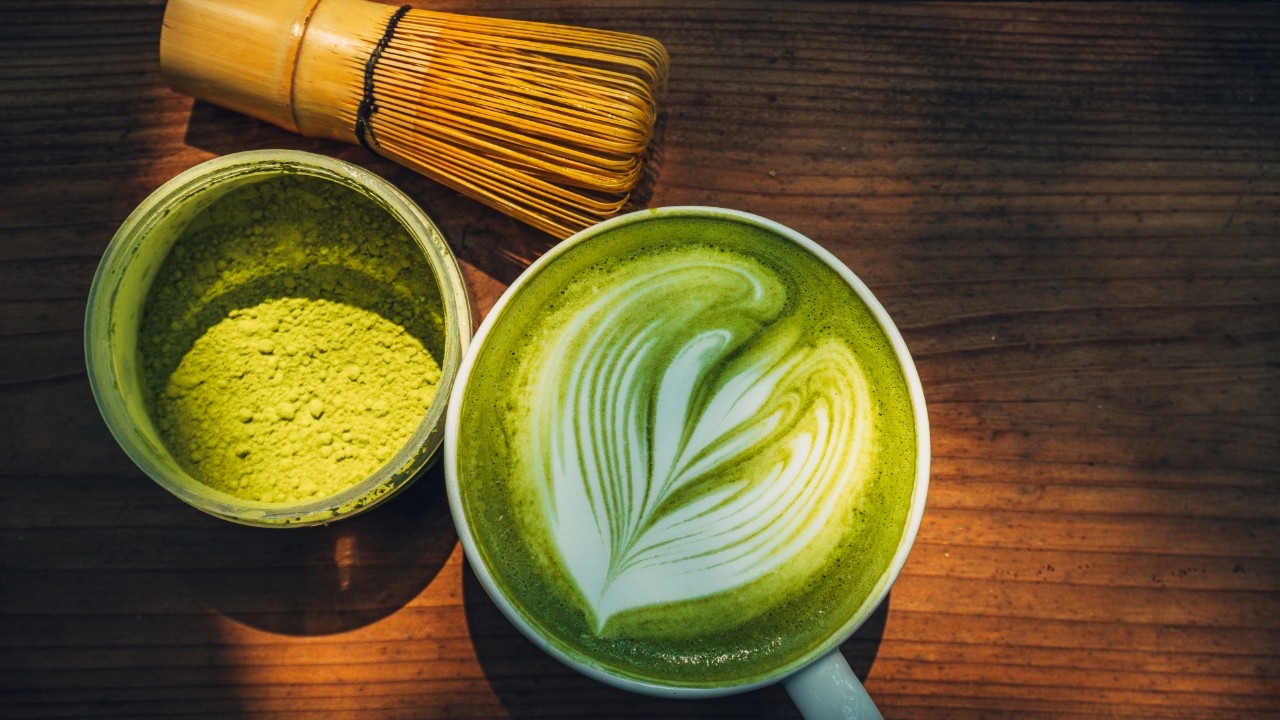
Explaining why matcha may taste unpleasant even when using expensive premium tea powder, revealing the five common mistakes that ruin umami flavor, and sharing techniques to brew matcha with a fragrant, smooth taste like in Japan.
The popularity of green tea matcha in Thailand continues to grow. Many people invest in premium or ceremonial grade matcha powder, which is costly, to brew at home. However, they often find the brewed tea tastes very bitter, astringent, or lacks the expected fragrant smoothness.
In food science, matcha’s distinctive flavor comes from an amino acid called L-theanine, which provides umami and smoothness, balanced against catechins that cause bitterness and astringency. Brewing delicious matcha depends on controlling this chemical balance. Mistakes in brewing can ruin good flavors, even when using expensive powder.
Here are five key mistakes that make matcha taste bad, along with solutions that green tea enthusiasts should not overlook.
A frequent mistake is brewing matcha directly with boiling water (100°C). Excessive heat destroys the L-theanine structure and extracts too much catechin and tannin, resulting in a harsh bitter and astringent taste.

Matcha powder is very fine and absorbs moisture easily, causing clumping. Pouring water without sifting results in dry clumps inside. Also, stirring in circles like coffee will not create the fine foam needed to release the tea’s aroma.
Matcha is sensitive to four external factors: light, heat, air, and moisture. Leaving the opened bag or storing in an unsealed container allows air to oxidize the powder,which causesthe powder to darken from bright green to dark green or brown, lose its fragrant aroma, and develop a dry astringent taste.
Estimating amounts by eye without a scale leads to inconsistent taste. Too much water dilutes the umami, while too little makes the tea overly strong and bitter. Similarly, in matcha lattes, too much milk can overpower matcha’s unique aroma.
Menu | Matcha powder amount | Hot water volume (70-80°C) | Milk / cold water volume |
Plain matcha | 2 grams (about 1 teaspoon) | 60–80 ml | — |
Matcha latte | 3–4 grams | 30–40 ml (to dissolve the tea) | 120–150 ml |
Water and milk quality greatly affect matcha’s taste. Tap water with chlorine odor or mineral-rich hard water can mask and alter matcha’s true flavor. Choosing milk with synthetic flavors can also diminish matcha’s appeal.

Brewing delicious, smooth matcha doesn’t depend solely on the price of the powder but requires attention to every step—from storage, water temperature, precise proportions, to whisking technique. By correcting these five common mistakes, you can fully enjoy the umami and fragrant smoothness of premium matcha powder, making every sip worthwhile.