


Amid rising living costs, saving on food expenses doesn’t have to mean skipping meals. Here are smart budget management tips to enjoy tasty, healthy meals and still save money each month.
With the economy and living expenses climbing, food costs are a major daily expense directly impacting everyone’s finances. Many try to save by reducing meal frequency or cutting essential nutrients, which can harm health and work performance in the long run.
In fact, sustainable food savings don’t mean starving but rather“smart management.”This ensures you get both nutritional value and the best return on your money.
According to household economic and social surveys by the National Statistical Office, food, beverages, and tobacco account for about 30–35% of total household expenses in Thailand, a relatively high proportion compared to other spending categories.
Small changes in shopping and eating habits can significantly increase monthly savings.
Planning what to eat each week helps prevent buying more ingredients than needed. Making a shopping list before going to the market or supermarket and strictly following it can avoid"impulse buying"or falling for unnecessary promotions.
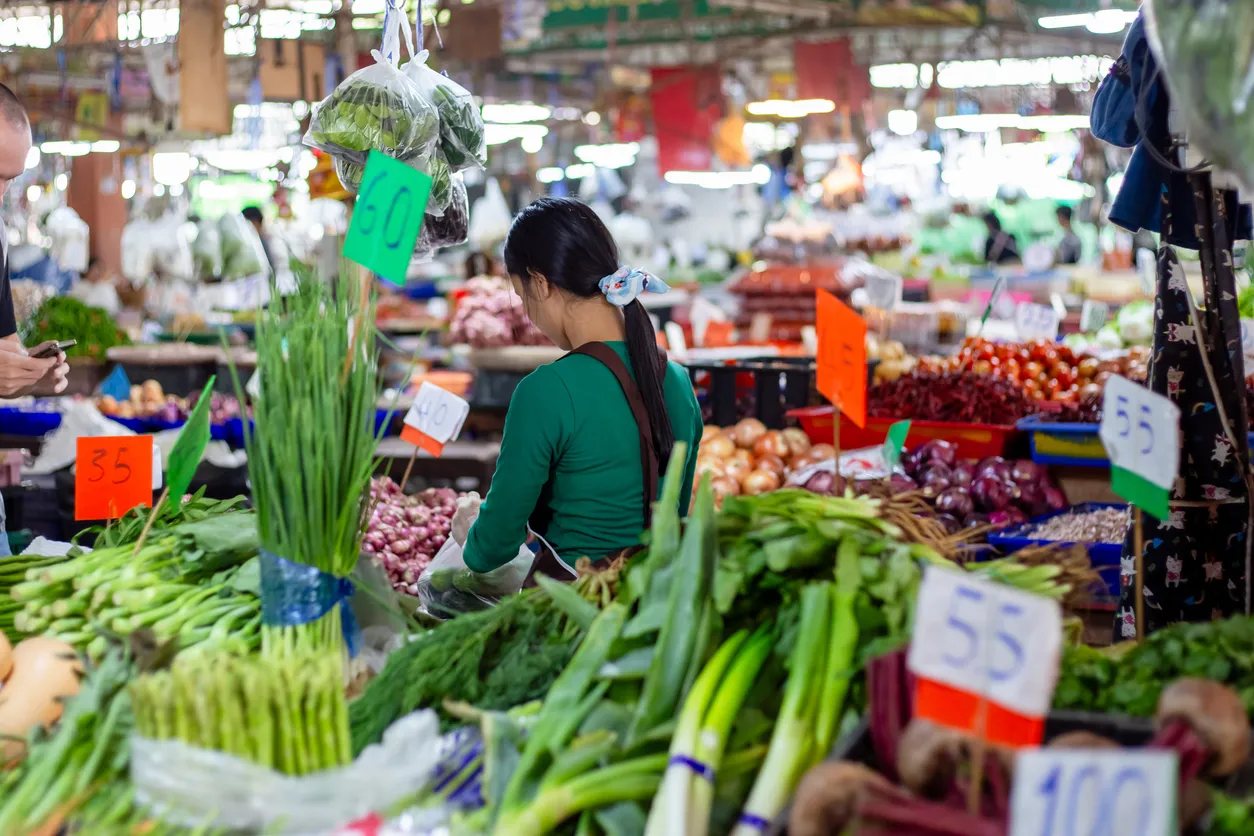
Expensive meats like beef or red pork can be replaced with budget-friendly, nutritious proteins such as:
Mixing these ingredients in meals ensures balanced nutrition on a lower budget.
Service and delivery fees from food apps can increase meal costs by 20–40% without you realizing it. Cooking at home, buying from nearby shops, and making coffee or drinks yourself at work can save thousands of baht monthly.
Letting food spoil in the fridge wastes money. Store ingredients following FIFO (First In, First Out) by using older items first. Also, repurpose leftovers into new dishes, like making soup from leftover vegetables or fried rice from leftover cooked rice.
Reducing food costs properly isn’t about forcing yourself to endure hunger but about building discipline and understanding in choosing, planning, and consuming food efficiently. Starting with small changes not only boosts savings but also encourages more mindful eating.