


The health-conscious trend has made "sugar-free soda" very popular. But did you know that excessive drinking may secretly harm your bone mass and overall health? Check out the unexpected adverse effects here.
Currently, health care trends in Thailand are growing steadily, leading many who crave sweetness or fizz to choose "sugar-free soda" or "diet soda" more often, believing it helps control weight and does not harm health. However, drinking these beverages excessively can cause unforeseen side effects on the body.
According to health website Healthline, although diet soda contains no calories or sugar, it includes additives, artificial sweeteners, and various acids. Excessive accumulation in the body can affect multiple systems, especially concerning bone density.
Despite its sugar-free label, the ingredients hidden in the can require consumer caution. Symptoms or side effects indicating you may be drinking too much diet soda include the following.
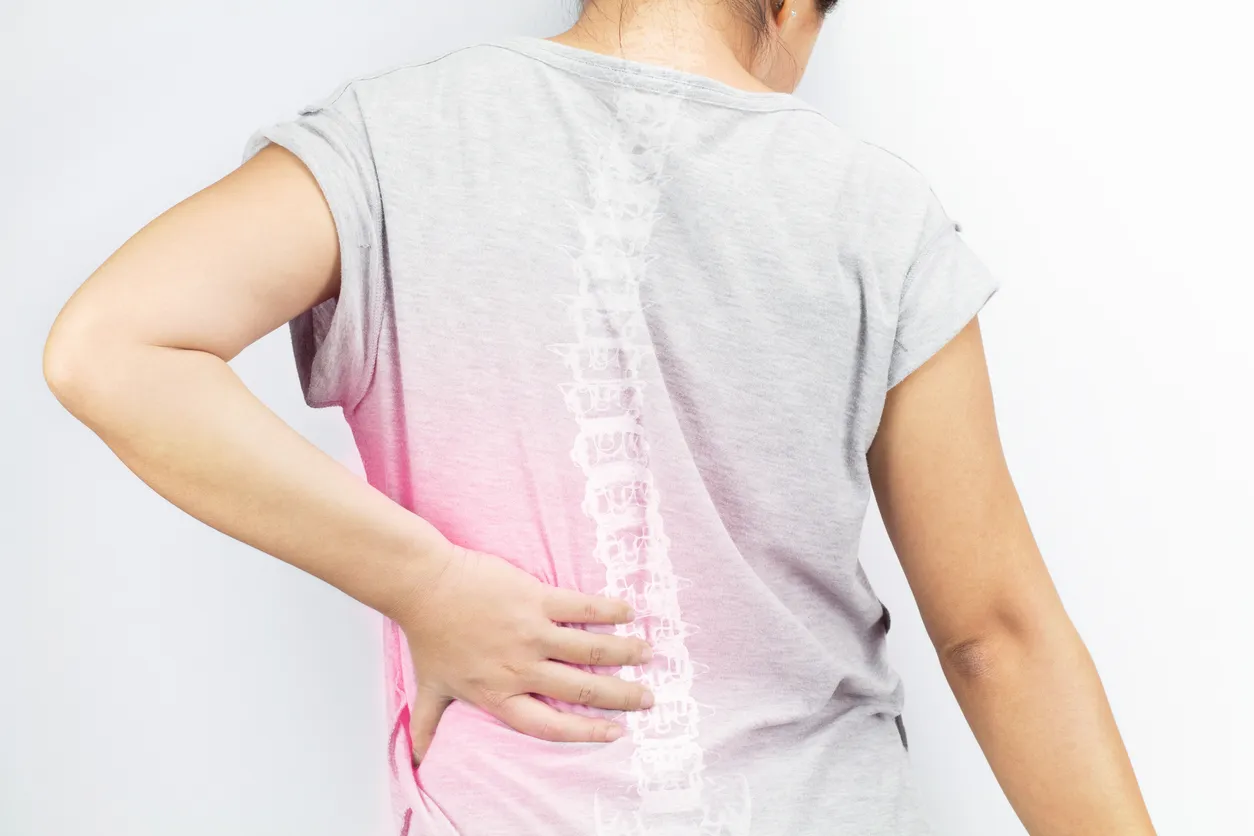
This is one of the most concerning yet often overlooked effects. Data shows that regular consumption of cola-type sodas is linked to decreased bone density, especially among women. This is because dark sodas often contain high amounts of phosphoric acid. If the body receives excessive phosphoric acid relative to daily calcium intake, it may interfere with calcium absorption, leading to bone mass loss and increasing long-term osteoporosis risk.
Phosphorus in the form of phosphoric acid not only affects bones but also increases kidney workload. Studies indicate that regular diet soda consumers have a higher risk of faster kidney function decline compared to non-drinkers.
Although diet soda lacks sugar, the main cause of cavities, it is highly acidic (e.g., citric acid and phosphoric acid). These acids can erode tooth enamel, thinning teeth, causing sensitivity, and increasing risk of other oral issues.
Some artificial sweeteners, such as sucralose or aspartame, may impact the microbiome—the good bacteria in the gut—potentially affecting the immune system and digestive efficiency.

Many consume diet soda hoping to lose weight, but research shows that intense sweetness from artificial sweeteners can trick the brain into feeling hungrier and craving sugar or carbohydrates. Additionally, in some people, these sweeteners may trigger headaches or migraines.
Sugar-free soda is not a villain to ban entirely. Occasional drinking for refreshment is acceptable and not severely harmful. But the caution is not to replace plain water with it or consume excessive amounts daily.
Experts recommend reducing diet soda dependence by choosing alternatives like lemon water, chilled plain soda water, or unsweetened tea, which benefit bone mass and kidney function more. Moderate consumption and awareness of ingredients are key to sustainable good health.
Source:Healthline