

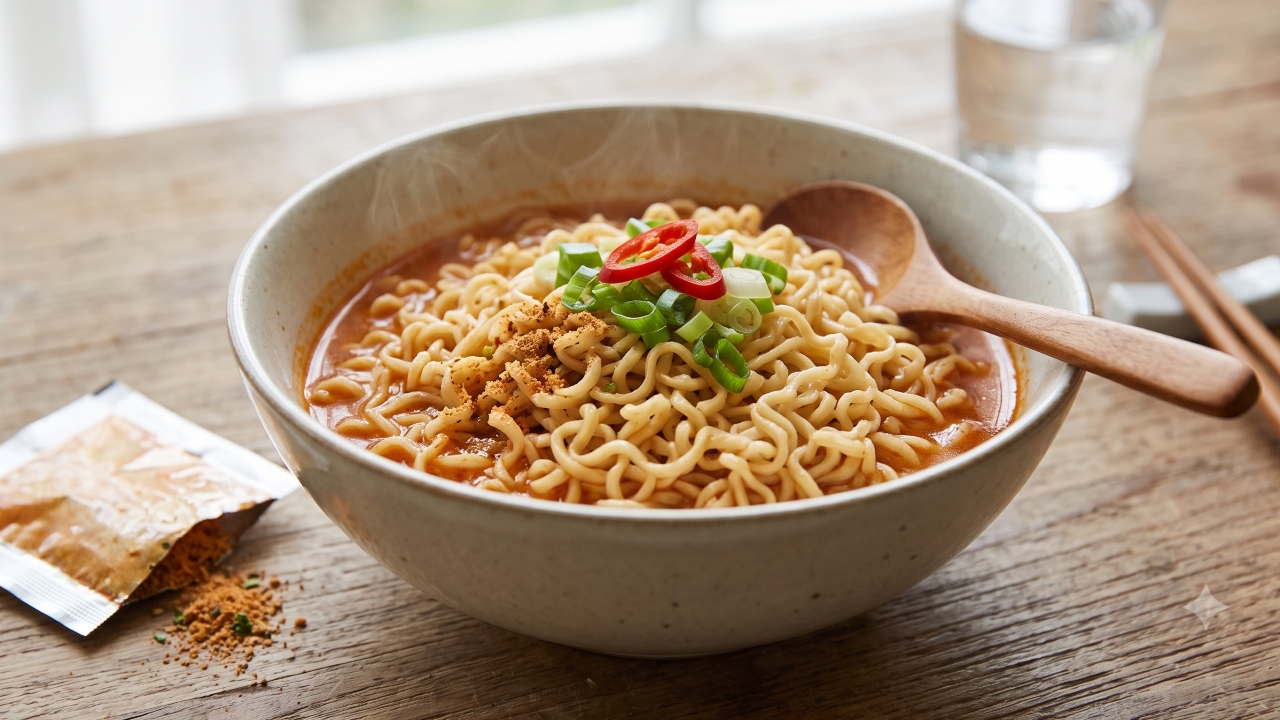
Doctors warn budget-conscious individuals that popular daily menus contain sodium levels exceeding standards, risking unnoticed kidney damage. They also advise behavior changes to choose foods for long-term health.
In today’s economic climate, choosing "budget menus" has become a primary option for workers and students. However, doctors and public health experts express concern about consuming these low-cost foods, as many contain sodium amounts exceeding the daily recommended intake, potentially harming health over time without awareness.
Data from the World Health Organization (WHO) and the Ministry of Public Health state that people should consume no more than 2,000 milligrams of sodium per day (equivalent to about 1 teaspoon of salt). Yet surveys of Thai consumption behavior reveal an average intake of 3,600–4,000 milligrams daily, nearly double the recommended amount.

To produce affordable food that tastes good, lasts long, and keeps costs low, manufacturers often rely on "seasoning powders, salt, fish sauce, seasoning sauces, and preservatives," which are major sodium sources. Although the taste may not seem overly salty due to masking by sweetness or spiciness, the hidden sodium quantity is unexpectedly high.
Nutrition data inspection of popular menus identified foods with high sodium content as follows:
The Department of Medical Services states that prolonged consumption of sodium beyond standards impacts bodily functions as follows:

Doctors advise that it is not necessary to completely stop eating these budget menus but to adjust habits to reduce risks as follows:
Being mindful by reading labels and reducing strong seasoning helps save money and protect kidney health in the long term.