

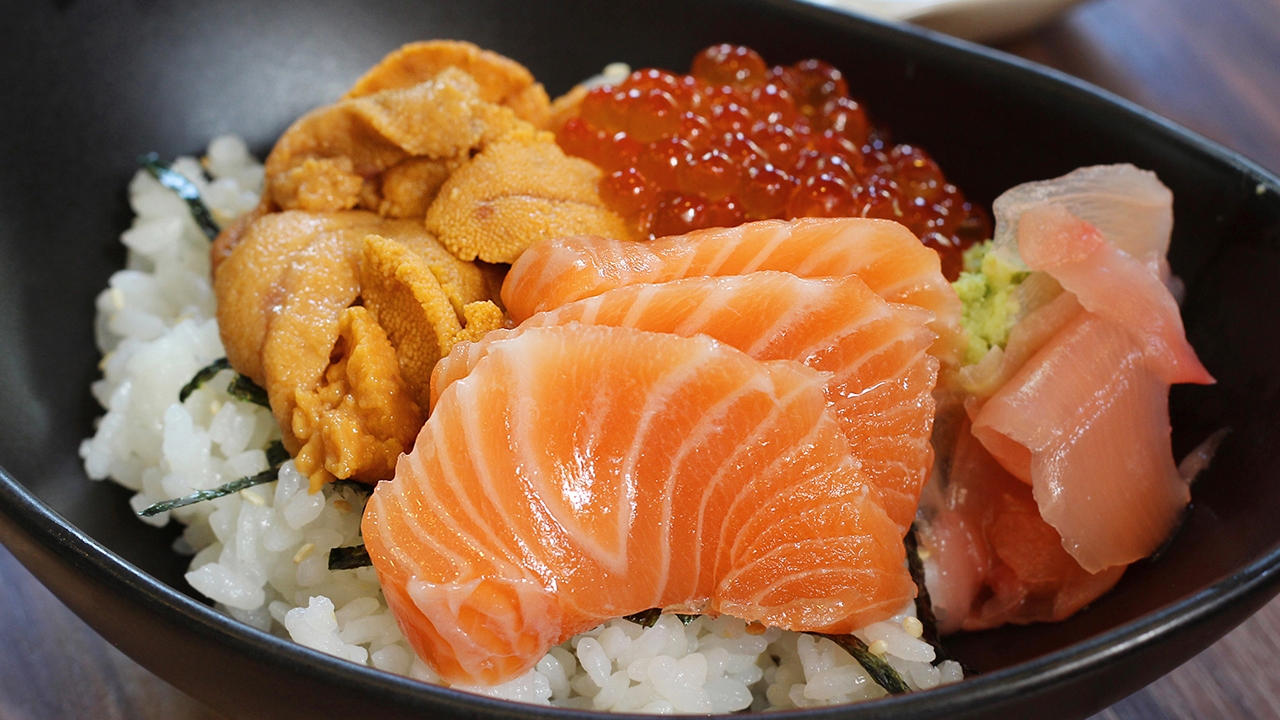
When it comes to Japanese cuisine, many people often think of fresh fish, rice balls, or rich ramen. But one item that is always served alongside the dish without fail is "ginger" Whether it is thinly sliced pink pickled ginger or freshly grated ginger paste, eating ginger is not just about flavor but also reflects Japan’s long-established culture of ginger consumption, which embodies centuries of culinary wisdom and health care.
It is believed that ginger entered Japan from China in ancient times, with some sources suggesting it arrived around the 2nd to 3rd century CE (though exact evidence is unclear). By the Heian period, ginger was already cultivated and used as food.
Ginger was used as food, seasoning, and a medicinal ingredient believed to warm the body and relieve certain symptoms. Later, as Japanese food culture developed, ginger was used to add aroma and reduce the fishy smell of seafood, including being pickled as " gari " which is commonly eaten as a side dish to cleanse the palate between sushi pieces.
In Japanese culinary culture, ginger is categorized and used appropriately with different dishes, including:


Additionally, key compounds in ginger such as gingerol and shogaol help fight free radicals, inhibit bacterial growth, and stimulate blood circulation. The Japanese ginger-eating culture reflects the wisdom of eating seasonally: in winter, ginger soup or tea is consumed to keep warm, while in summer, fresh ginger is eaten with cold noodles to stimulate appetite and aid digestion.