

Coronary artery disease or coronary artery blockage is caused by the accumulation of fat or plaque on the blood vessel walls, narrowing the artery's interior and reducing the flow of blood and oxygen to the heart muscle. One modifiable risk factor is dietary habits, especially regular consumption of high-fat foods.
What foods are good for the heart? Choosing heart-healthy foods that contain healthy fats, fiber, and antioxidants, while reducing high-fat foods, helps manage blood lipid levels and supports long-term cardiovascular health. However, no single food can prevent or cure disease alone; a balanced and varied diet covering all five food groups is essential, as follows.

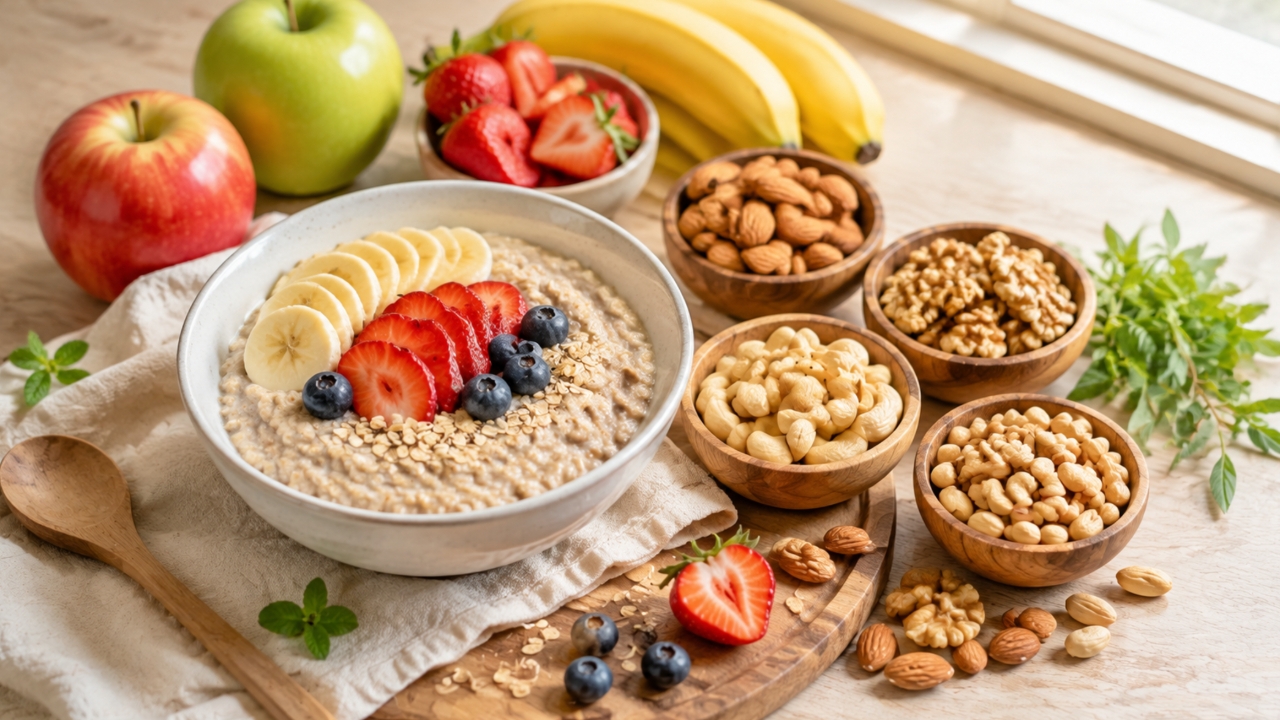
Nuts such as almonds, walnuts, macadamia nuts, cashews, and peanuts are heart-healthy because they contain omega-3 fatty acids and unsaturated fats, which help lower low-density lipoprotein (LDL) cholesterol linked to artery blockage. It is recommended to eat about two tablespoons daily, choosing varieties that are unsalted, unsweetened, and not fried to avoid excess fat, sugar, and sodium.
Ginger, galangal, lemongrass, garlic, holy basil, sweet basil, and spearmint are herbs rich in antioxidants that help reduce vascular inflammation. Their aroma and flavor enhance dishes without needing additional seasoning, making them ideal for those controlling sodium intake. They can be used in simple dishes like tom yum, kaeng liang, steamed fish with herbs, or lightly seasoned salads.
Both deep-sea and freshwater fish are nutritious protein sources and contain essential omega-3 fatty acids that help prevent blood vessel hardening. Commonly available fish include snapper, mackerel, catfish, Nile tilapia, and striped catfish. Cooking methods such as steaming, boiling, baking, or grilling reduce added oil compared to frying.

Olive oil contains unsaturated fats and vitamin E, an antioxidant that helps protect blood vessels from degeneration and inflammation. Although olive oil is a good fat source, it is calorie-dense, so it should be used in moderation and not added excessively when cooking.
Oats are a high-fiber grain with carbohydrates and amino acids that support heart and vascular health and help regulate cholesterol levels. They can be eaten as a natural-flavored breakfast cereal, topped with fresh fruit instead of processed products that may contain high sugar.
Those aiming to maintain heart health can still consume meat but should select low-fat cuts such as pork tenderloin or lean red pork, removing visible fat before cooking. Avoid fatty meats, animal skin, and dishes like crispy pork or pork knuckle, which are high in fat and can raise blood lipid levels.
Chicken breast is another protein option for those wanting to reduce fatty meat intake. Remove the skin and cook by boiling, steaming, baking, grilling, or stir-frying with minimal oil. Limit fried chicken or skin consumption as they increase fat intake beyond recommended levels.

Egg whites are suitable for patients with coronary artery disease and can be prepared as boiled, steamed, or added to clear soups to increase protein without frying. Those with chronic conditions or on medical diets should consume egg whites in amounts advised by their doctors.
Tofu is a protein source that can be alternated with meat and is suitable for dishes cooked with little oil, such as clear tofu soup, steamed tofu, or stir-fried vegetables with tofu using minimal oil. Be cautious with fried tofu and sauces or seasonings high in sodium, as these can inadvertently increase fat and salt intake.
Vegetables and fruits provide vitamins and beneficial fiber, especially high-fiber fruits like guava and dragon fruit. It is advisable to eat a variety of colorful vegetables for a broad range of nutrients. Fresh fruits are preferred over fruit juices or processed fruits, and adding excessive sugar, syrup, or salty dips should be avoided.

For those with coronary artery disease, diabetes, hypertension, or high blood lipids, consulting a doctor or dietitian is recommended to plan an appropriate diet. Food should not replace prescribed medication or medical treatment.
Information provided by:Bangkok Heart Hospital