

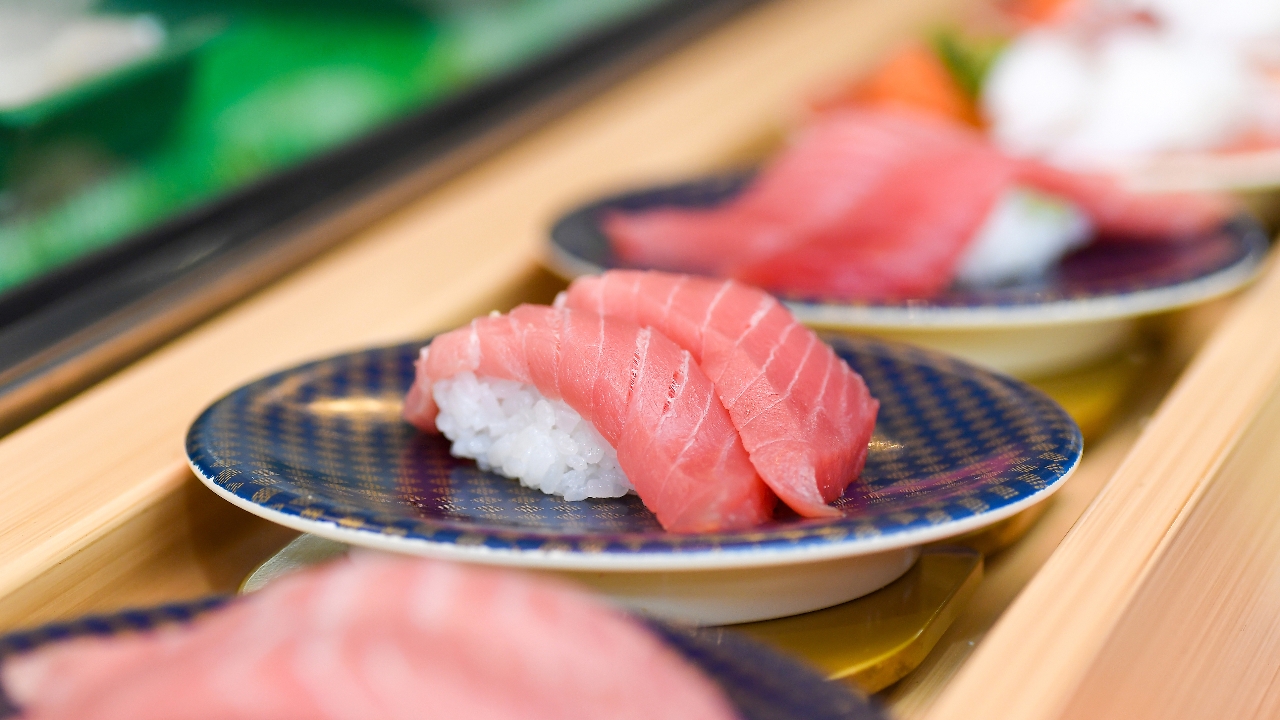
Many people have likely fallen into the trap of the fun at conveyor belt sushi restaurants—watching colorful plates pass by, grabbing them absentmindedly, only realizing when the staff comes to check the bill that the total is shockingly high. Some may even start by picking heavy dishes, getting full after just five plates. Today, we reveal expert-level sushi-eating wisdom to help you enjoy great taste, get value for money, and feel just right full within a controlled budget.
Before you let your hand grab plates rapidly from the conveyor, the first thing to do is calm down and carefully review the menu prices associated with each plate color or pattern. Conveyor belt sushi restaurants usually set prices by plate color or design. Knowing the prices beforehand helps you roughly calculate your budget in your mind.
Additionally, scanning the entire menu beforehand helps you target the special items you truly want to eat, avoiding wasting stomach space on dishes picked just because of a fleeting hunger.
When your stomach is empty and your palate is clean, start with the mildest flavors to fully appreciate the freshness of the ingredients. We recommend choosing white-fleshed fish like hirame (flounder), snapper, squid, or sweet shrimp, which offer clean and light tastes. Don’t forget to order a hot miso soup early on, as it helps open your stomach and stimulates your appetite.
This is your golden moment—focus on picking high-priced ingredients or your favorites while your stomach can still handle it. Go all out with red-fleshed fish and marbled fatty cuts like salmon, tuna, or hotate (scallops). For those on a budget, choose premium plates only for the dishes you really want, about two to three plates, as the highlights of your meal. If your favorite items on the conveyor look dry or unappealing after several rounds, don’t hesitate to order a freshly made portion via the touchscreen for fresh fish and perfectly warm rice.
When you start feeling about half full, switch to dishes with bolder flavors and higher fat content to stimulate further appetite. Try seared sushi, where the aroma of flame-torched salmon or wagyu beef changes the taste experience and cuts through richness. Also, dishes topped with sauces or grilled eel with sweet, rich flavors are best eaten at this stage. Eating them too early can cause dryness and fill you up too fast.
If you’re satisfied with the sushi but still a bit hungry, here’s how to fill your remaining stomach space without letting the bill soar: switch to affordable filling dishes like a small bowl of udon, steamed egg custard, or fried items to finish. This is more economical than trying to cram more sushi. Don’t forget to cleanse your palate with a dessert like pudding or ice cream to signal your body that the meal is complete.
During your meal, take advantage of the free secret items the restaurant provides, such as pickled ginger to eat between different fish types. This helps eliminate fishiness and resets your palate excellently. Also, sip hot green tea instead of sweet drinks to help wash away fish fats and avoid bloating.
Finally, use the classic technique of stacking your finished plates neatly. Organize your eaten plates into piles to remind yourself how much you’ve eaten and to help calculate the bill easily before calling the staff.
Eating conveyor belt sushi smartly isn’t about stuffing yourself until you’re overfull, but about choosing dishes wisely in order to experience the best flavors.