

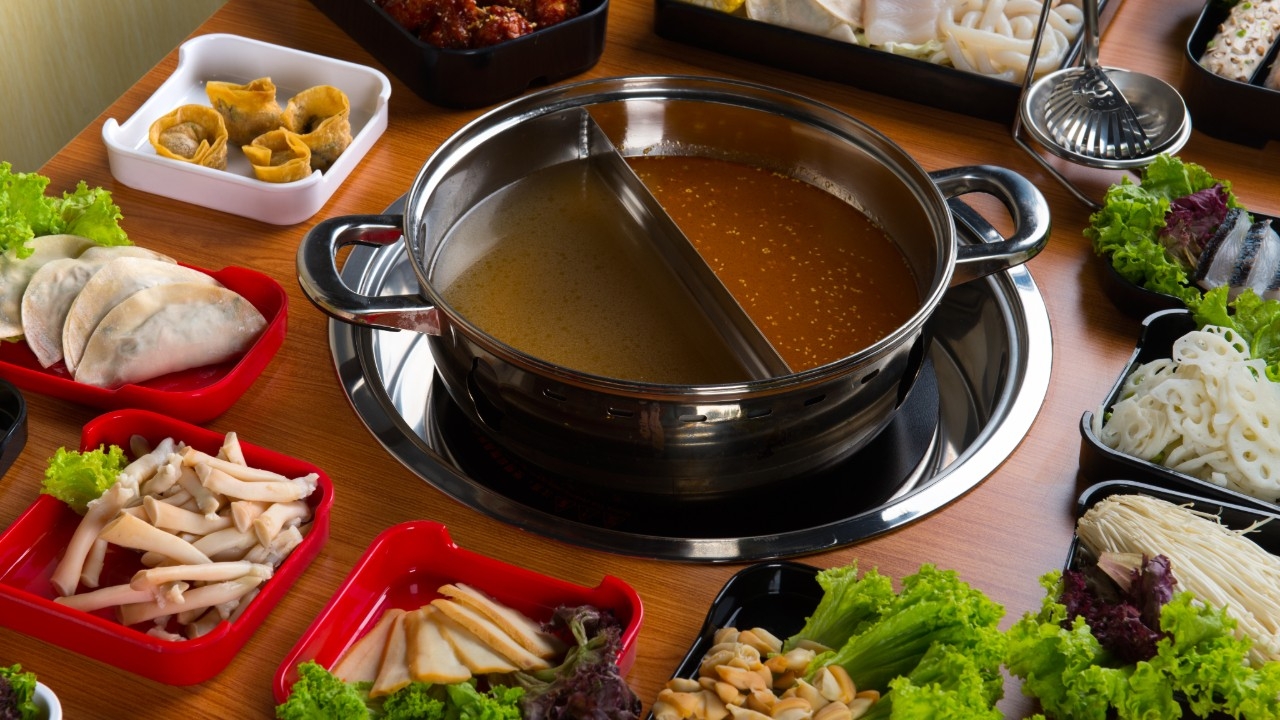
When enjoying shabu, besides choosing beef, pork, seafood, and plenty of vegetables to fill the table, the shabu broth is also a key element that defines the flavor of the meal. Each broth type has its own richness and pairs differently with ingredients. Some prefer a light taste to savor the meat’s flavor, while others want spiciness or richness strong enough to not rely much on dipping sauces.
Before ordering shabu next time, get to know 8 popular broths and see which suits whom and which ingredients to pair with to enjoy a tastier, more satisfying meal.

Which shabu broth should you choose? The broth is the heart of shabu dining, enhancing the aroma and flavor of meats, vegetables, and other ingredients. Nowadays, broths range from mild to rich to spicy. Let’s explore 8 popular shabu broths, their ingredients and flavors, along with the best ingredient pairings to enhance your meal.

Clear broth is the basic broth commonly found in shabu restaurants. It’s often made by boiling vegetables, kombu seaweed, dried bonito flakes, or animal bones until a natural sweetness develops, then lightly seasoned with salt or soy sauce. This results in a mild aroma and a light flavor.
The highlight of clear broth is that it doesn’t overpower the ingredients’ flavors, making it ideal for cooking meats, seafood, tofu, and vegetables before adding dipping sauces to taste. As it simmers longer, the sweetness from vegetables and meats gradually infuses the broth, enhancing its roundness.

Dark soy broth is a common term used in Thai shabu restaurants to describe a dark-colored broth mainly made with soy sauce. Typically, dashi broth is mixed with soy sauce, mirin, and sugar. Some recipes add kombu seaweed, onions, or mushrooms to enhance sweetness and umami.
This broth tastes sweet and salty with the aroma of soy sauce, but is less sweet and intense than sukiyaki seasoning. It is suitable for cooking ingredients and sipping directly. Its flavor enhances meat’s taste without needing much dipping sauce.

Jaew Hon broth is a northeastern Thai-style hot pot broth, usually based on beef or pork bone broth. It is flavored with herbs such as lemongrass, galangal, kaffir lime leaves, and basil. Some recipes add ground chili, toasted rice powder, fish sauce, fermented fish sauce (pla ra), or fermented buffalo sauce (deawua) to create a distinctive aroma and taste.
Jaew Hon varies from mild and easy to eat to the traditional strong northeastern version. It’s great for cooking beef, pork, and offal before enjoying with a tangy-spicy jaew dipping sauce. Those who avoid fermented fish or buffalo sauces should check ingredients before ordering.

Mala broth is known for its spicy heat from dried chili and the numbing sensation from Sichuan peppercorns (hua jiao), combined with Chinese spices like star anise, cinnamon, ginger, and garlic. Some recipes add fermented soybean paste, chili oil, or beef tallow to deepen flavor and aroma.
Mala broth comes in both clear and rich oil-based styles. The longer it cooks, the saltier, spicier, and more aromatic it becomes. Choose the spice level that suits your taste. This broth pairs well with fatty meats, offal, and ingredients that absorb broth flavors well.

Tom Yum broth is made with Thai herbs like lemongrass, galangal, and kaffir lime leaves, seasoned with chili, fish sauce, and lime juice. There are both clear Tom Yum broths offering a refreshing taste and creamy versions enriched with chili paste, evaporated milk, or fresh milk for added aroma and richness.
The sour, spicy, and salty flavors of Tom Yum cut through the richness of meat well and especially complement seafood. However, when simmered long, the broth can reduce and become saltier, so it’s advisable to add clear broth or hot water periodically to maintain balanced flavor.

Pork bone broth is made by simmering pork bones for a long time to extract flavor, fat, and nutrients, resulting in a milky white and rich textured broth. Some recipes add onions, garlic, ginger, soy sauce, miso, or roasted sesame for added aroma and depth.
Its rich, creamy flavor pairs well with pork, meatballs, tofu, and noodles, but may feel heavy if eaten continuously. It’s best balanced with vegetables, mushrooms, or mild ingredients to create a harmonious meal.

Tomato broth is often made from fresh or crushed tomatoes simmered with chicken or vegetable broth, along with onions and garlic. Some recipes add ketchup, olive oil, herbs, or cheese to enrich flavor and impart a Western touch.
The sweet and sour taste of tomato refreshes and reduces the heaviness from fatty meats. It suits both meats and seafood, making it an easy choice for those who don’t eat spicy food. Pasta noodles can also be added at the end.

Pumpkin broth is made from steamed or boiled pumpkin mashed and mixed with chicken or vegetable broth, then seasoned with onions, garlic, salt, and pepper. Some recipes add fresh milk, soy milk, coconut milk, or cream for extra aroma and creaminess.
Its natural sweetness and thick, smooth texture make pumpkin broth easy to eat and non-spicy, pairing well with mild-flavored ingredients. Because it’s thick, it should be stirred regularly and cooked on low heat to prevent burning or sticking to the pot.
Choosing the right shabu broth to match your preferred flavor and ingredients will enhance the enjoyment of every bite. If you avoid spicy food, consider clear broth, dark soy broth, or pork bone broth. For those who like bold flavors, tom yum, jaew hon, or mala can be chosen according to your spice tolerance. Recipes and ingredients may vary by restaurant, so inquire about details before ordering—especially if you have allergies or dietary restrictions.