

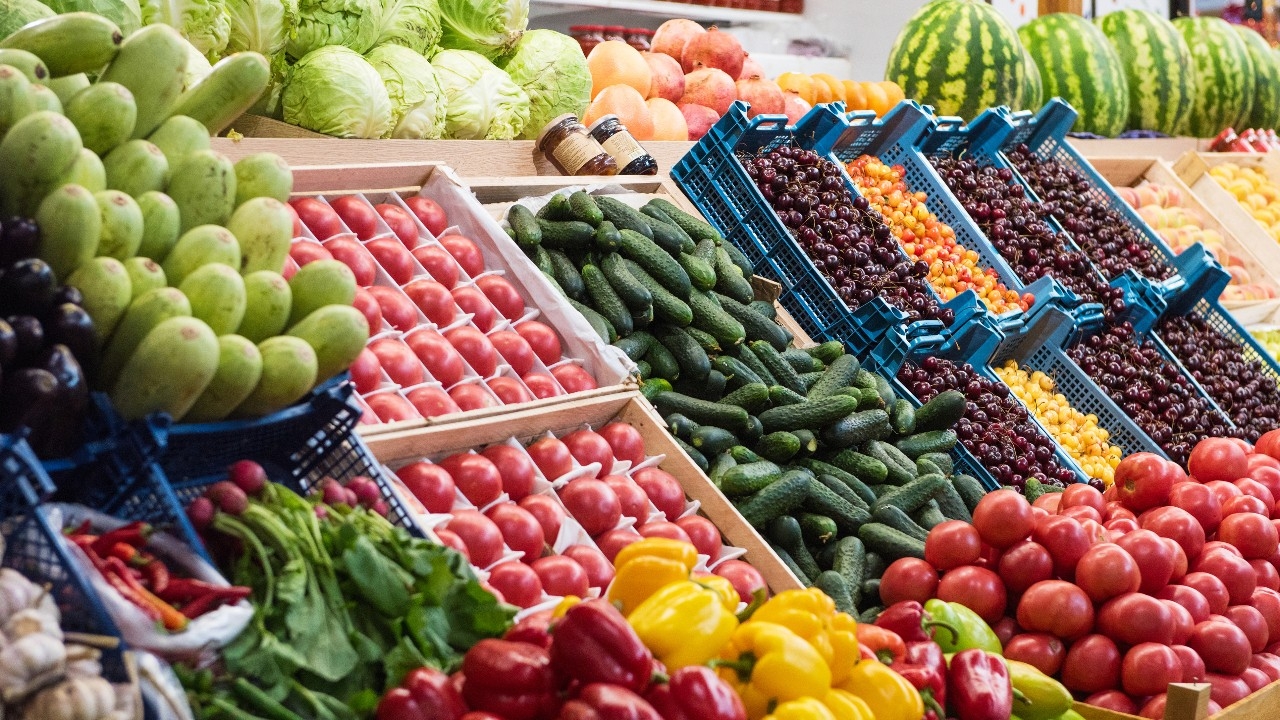
Have you ever noticed that the same kinds of vegetables and fruits have vastly different prices depending on the month when you shop at markets or supermarkets?
Amid rising living costs, one of the easiest and most cost-effective health hacks is to eat "seasonal vegetables and fruits" because not only are they surprisingly cheap, but naturally grown produce without reliance on chemicals or growth accelerators also tastes better and is packed with peak nutrients.
Let's open a calendar checklist to see which ingredients are most worthwhile and healthiest to pick up in each season.
Vegetables and fruits in the hot season (March - May)
During the extreme heat, nature provides juicy fruits to help cool the body's temperature; this period is the golden moment to buy. Watermelon, mango, mangosteen, and pineapple are not only refreshingly sweet but also drop to very low prices.
For cooking ingredients, focus on hardy yard vegetables that tolerate drought well, such as ivy gourd, water spinach, cucumber, bitter melon, and winter melon, which are cooling vegetables that help reduce body heat and can be used in simple dishes like clear soup or stir-fried vegetables for just around ten baht per handful.
Vegetables and fruits in the rainy season (June - October)
As the rainy season begins, when people tend to get sick more often, markets fill with fruits high in vitamin C, such as guava, pomelo, rambutan, and longkong. Meanwhile, vegetables are at their freshest and crispiest, especially local varieties like acacia, bamboo shoots, cabbage, and long beans.
Choosing to buy these vegetables and fruits for cooking not only provides fresh ingredients free from unnatural residues but also helps build the body's immunity to cope with the humid weather.
Vegetables and fruits in the cold season (November - February)
The cold season is the best time for cooking enthusiasts because cool-climate vegetables flood the markets at affordable prices, including Chinese cabbage, radish, carrot, broccoli, and cauliflower, which are perfect for making hot soups or hosting budget-friendly homemade barbecue or hot pot parties.
As for fruits, this is the prime time for various orange varieties, strawberries, and jujubes, which offer sweet, crisp flavors at the most wallet-friendly prices of the year.
Making a simple behavior change by planning meals based on the "seasonal calendar" is a smart and sustainable investment because you get to eat the best-tasting food at its peak, free from chemical residues,
while also supporting local farmers. Calculating the price differences over the year, you could save several thousand baht in food expenses.