

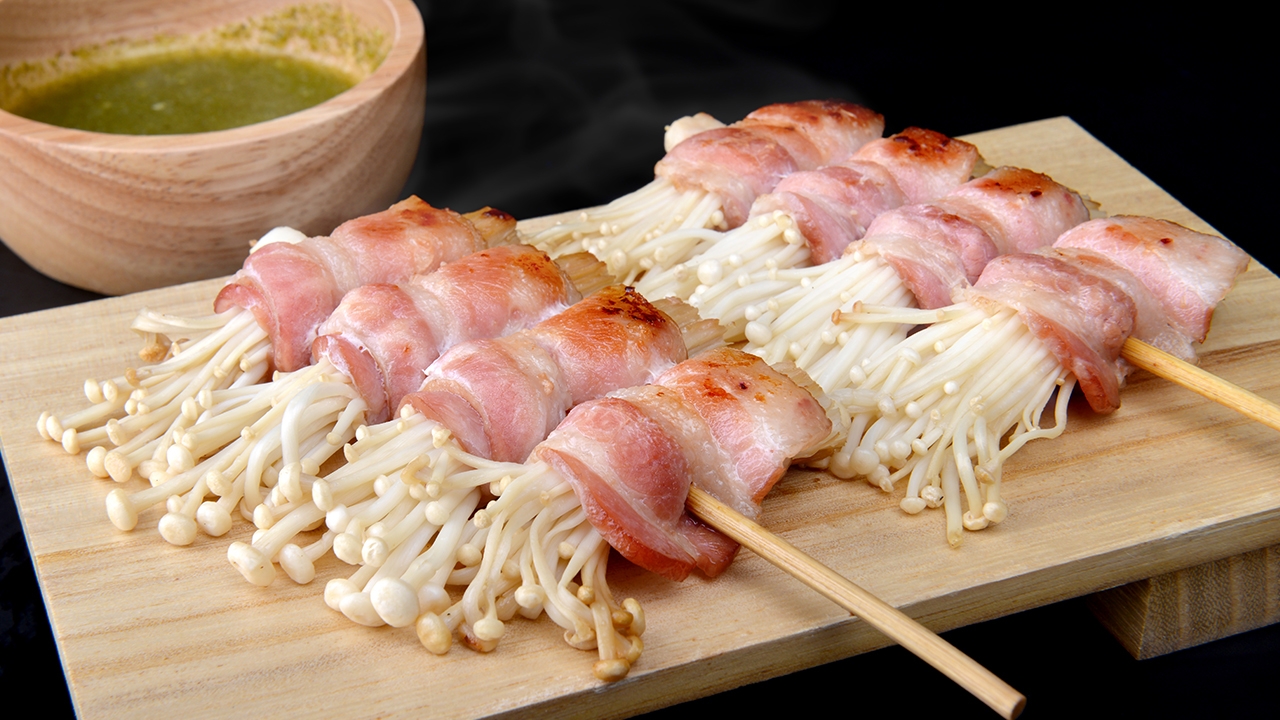
This has become a significant social concern after the U.S. FDA found Listeria monocytogenes contamination in enoki mushrooms imported from China in early 2026, leading to a product recall and a public warning.
Listeria is a bacterium commonly found in soil, water, and fertilizer, capable of contaminating agricultural produce including enoki mushrooms. This bacterium is highly resilient, able to grow even at refrigerator temperatures, and has caused outbreaks of severe food poisoning in multiple countries.

When Listeria monocytogenes enters the body, it causes listeriosis, with flu-like symptoms such as fever, headache, muscle aches, diarrhea, and vomiting. However, some high-risk groups may experience more severe symptoms if infected, including:

We can reduce the risk of Listeria infection from contaminated enoki mushrooms by following these measures:
1. Cook thoroughly with high heat
Cook enoki mushrooms evenly at a temperature of 74 degrees Celsius or higher. They should be simmered or stir-fried for several minutes. Avoid quick blanching in soups or hot pots since the heat might be insufficient to kill the bacteria.
2. Store raw mushrooms separately
Keep raw enoki mushrooms in the refrigerator separately from ready-to-eat foods such as salads or cooked meats.
3. Always clean thoroughly
Wash hands, cutting boards, knives, and kitchen surfaces immediately after handling raw mushrooms.
Enoki mushrooms are nutritious and safe to eat as usual; simply wash them well and cook thoroughly every time to enjoy your favorite dishes safely without worry about Listeria bacteria.