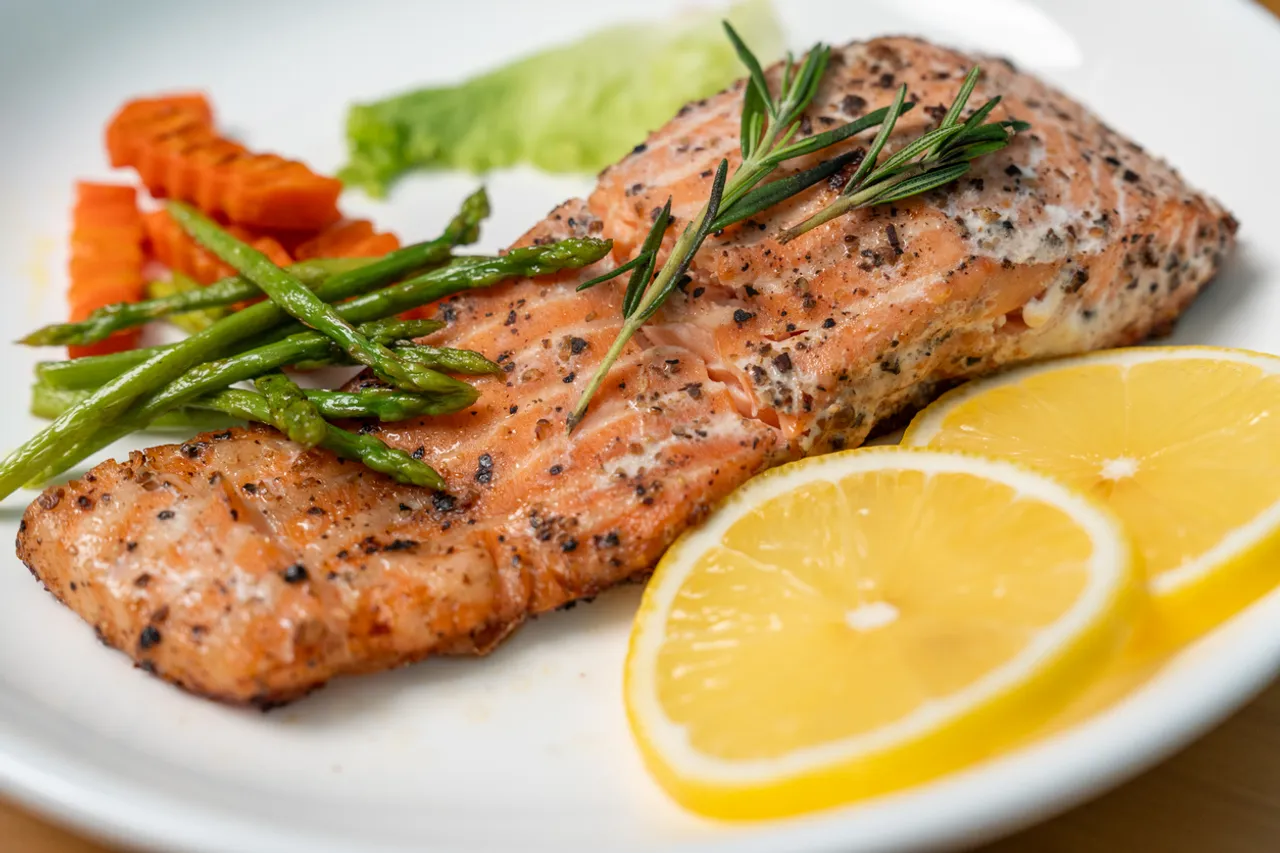
Thai food is known for its bold, complex flavors—combining sweet, rich, salty, and spicy notes—that create a harmonious taste enjoyed by many. Yet beneath this deliciousness lies sodium, a key factor in diseases such as diabetes, hypertension, and heart conditions. So, how can we reduce sodium while still keeping the flavors intact?','tags':['Thai cuisine','flavor','sodium','health risks']
Associate Professor Dr. Natthida Chotchuang, a faculty member in the Department of Food Technology at the Faculty of Science, Chulalongkorn University, revealed that many Thai people currently consume excessive sodium and sugar due to overlapping seasoning habits in cooking.','tags':['nutrition','sodium intake','sugar consumption','cooking habits']
"When making one plate of stir-fried holy basil, we add sugar, oyster sauce, and soy sauce. If it tastes too salty, we add more sugar to balance the flavor," she explained. "This layering of seasonings is done to achieve the desired taste."','tags':['cooking','seasoning','flavor balancing']
Such behavior causes redundant seasoning because ingredients like oyster sauce, soy sauce, fish sauce, bouillon cubes, and seasoning powders already contain inherent salty and savory flavors. Adding more without tasting first increases sodium intake, raising the risk of various diseases, along with weight gain from added sugar.','tags':['seasoning','sodium','health risks','cooking practices']
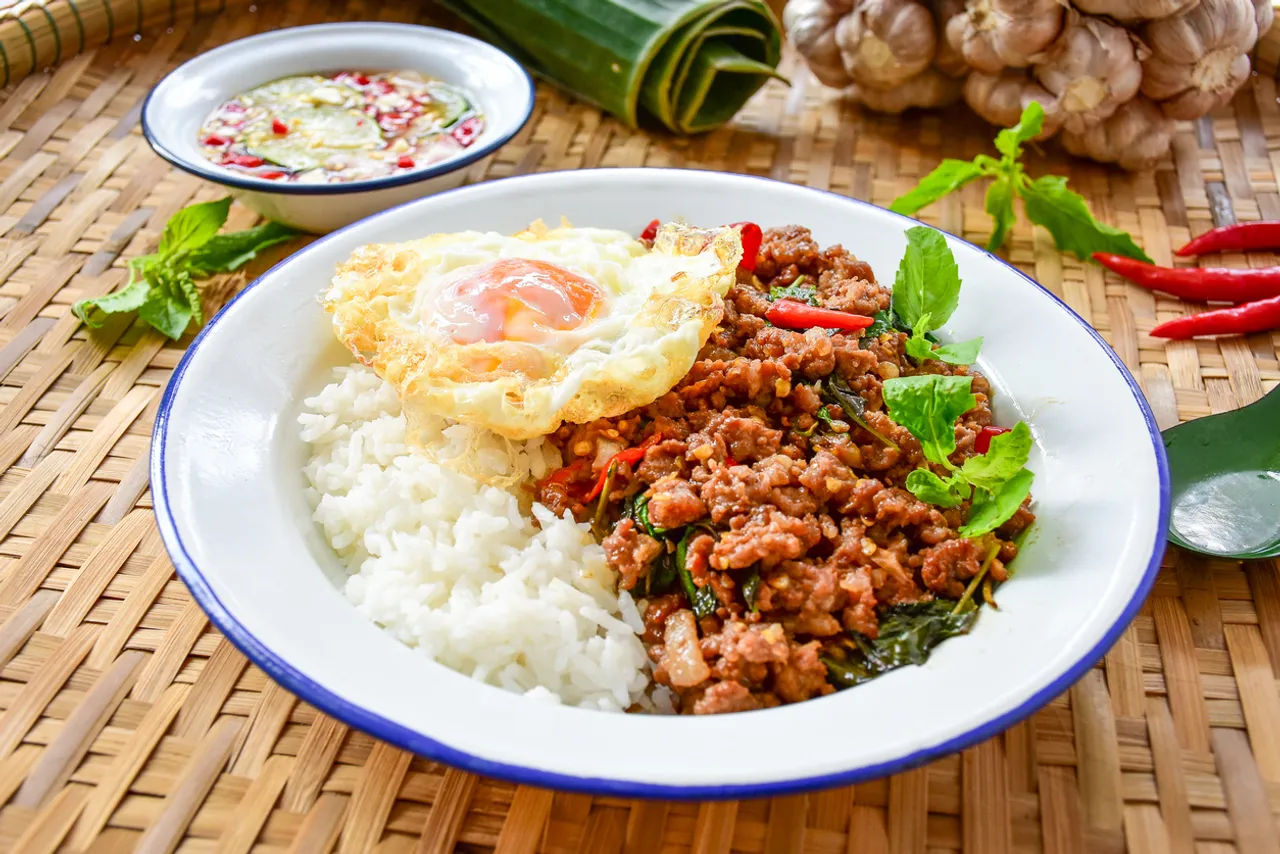
Additionally, when eating out, many people tend to add seasoning immediately without tasting the food first, which further increases their sodium and sugar intake.','tags':['eating out','seasoning habits','sodium intake']
Therefore, paying attention to small details—whether cooking at home or eating purchased food—we should "taste before seasoning" to lower unnecessary daily sodium and sugar consumption, reducing future health risks while keeping delicious flavors intact.','tags':['health advice','cooking tips','sodium reduction']

For international dishes that are generally less seasoned compared to Thai food, a health article on the website Healthline.com recommends interesting ways to cook by reducing sodium yet preserving flavor. Techniques like stir-frying, braising, grilling, or pan-searing bring out natural tastes.','tags':['cooking methods','flavor enhancement','sodium reduction']Healthline.com.','tags':['health website']These cooking methods help extract natural flavors. Additionally, adding sour fruit juices, spices, herbs, vegetables, and vinegar can enhance the taste of low-sodium dishes to keep them enjoyable.','tags':['cooking','flavor enhancement','ingredients']
Using sour fruit juices such as lime, lemon, grapefruit, and other sour fruits like kaffir lime, tangerine, and yuzu can elevate flavor in dishes with reduced sodium.','tags':['ingredients','flavor enhancers','sour fruits']