

For those who recently had their annual health check and found surprisingly high blood lipid levels, do not ignore it! High cholesterol is a silent threat and a leading cause of heart and vascular diseases. For busy working adults, adjusting eating habits is the most important tool. This article summarizes 10 internationally recognized dietary tips to help you sustainably lower harmful LDL cholesterol and raise beneficial HDL cholesterol.
Managing cholesterol is not about "starving" but about "smart food choices." Here are 10 methods you can start implementing from your next meal.
Instead of cooking with lard or butter, try switching to unsaturated fats like olive or rice bran oil. Research confirms these oils significantly reduce LDL, or bad cholesterol, in the blood.
This type of fiber acts like a "sponge" absorbing cholesterol in the digestive tract before it enters the bloodstream. It is abundant in oats, dried beans, and apples.

These are the most harmful fats because they not only raise bad cholesterol but also lower good HDL cholesterol. They are commonly found in baked goods, margarine, and some fried foods.
Plant sterols and stanols are natural compounds structurally similar to cholesterol. They work by blocking cholesterol absorption in the intestines, reducing the amount absorbed by the body and thereby lowering LDL levels, which benefits heart health. These compounds are found in common plants and grains, especially nuts, and in products fortified with plant extracts.
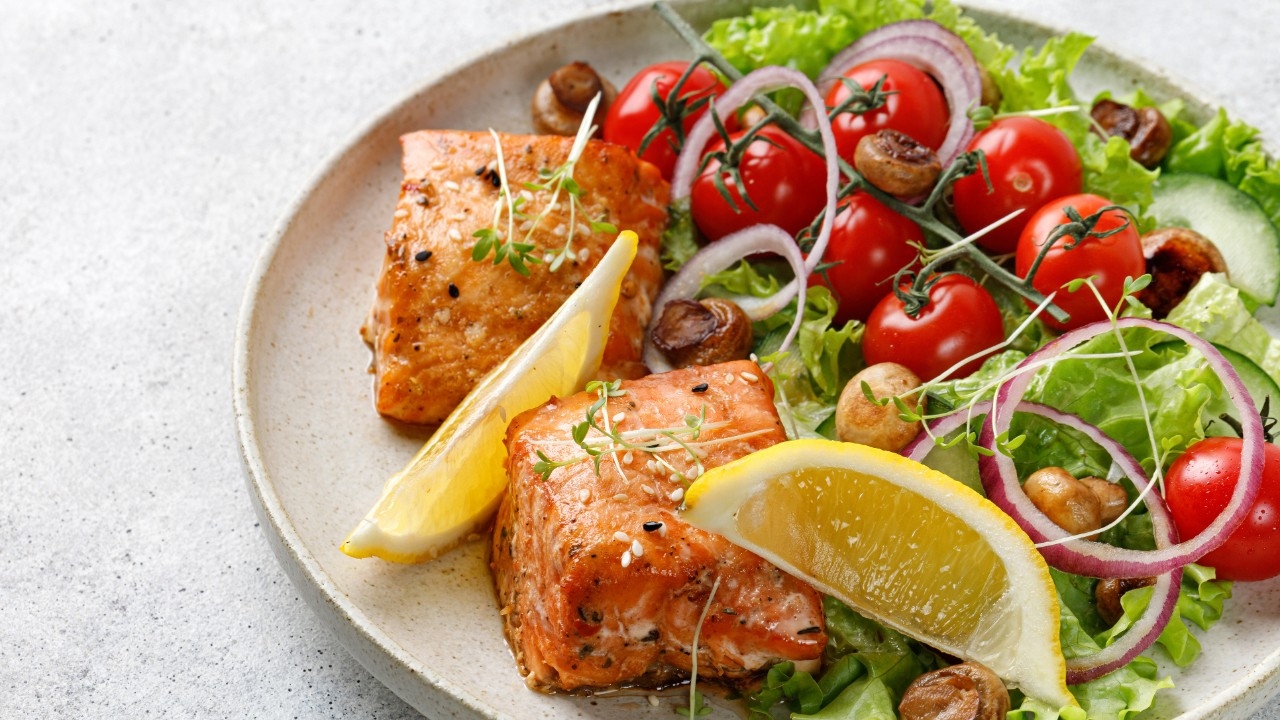
Salmon, mackerel, and sardines contain omega-3 fatty acids that help reduce triglycerides and prevent blood vessel inflammation. It is recommended to consume these fish at least twice weekly.
Excess sugar isn’t just a diabetes concern; too much sugar is converted by the liver into triglycerides, indirectly affecting blood cholesterol levels.
Replace fatty red meats with soy protein or tofu, which have very low saturated fat and no cholesterol.
Even healthy foods can increase overall energy intake and body weight if overeaten, which are key factors raising blood lipid levels.
Avoid stir-frying or deep-frying that uses large amounts of oil. Switching to cooking methods that don’t add fat significantly reduces daily calorie intake.
Alcohol can raise cholesterol and triglyceride levels. To maintain healthy lipid levels, reducing alcohol intake is essential.
Lowering cholesterol through diet is not a temporary trend but a sustainable lifestyle change. Especially for working adults facing stress and frequent fast food consumption, gradually adopting these 10 tips along with regular exercise will surely improve your next blood test results.
Source:Healthline