

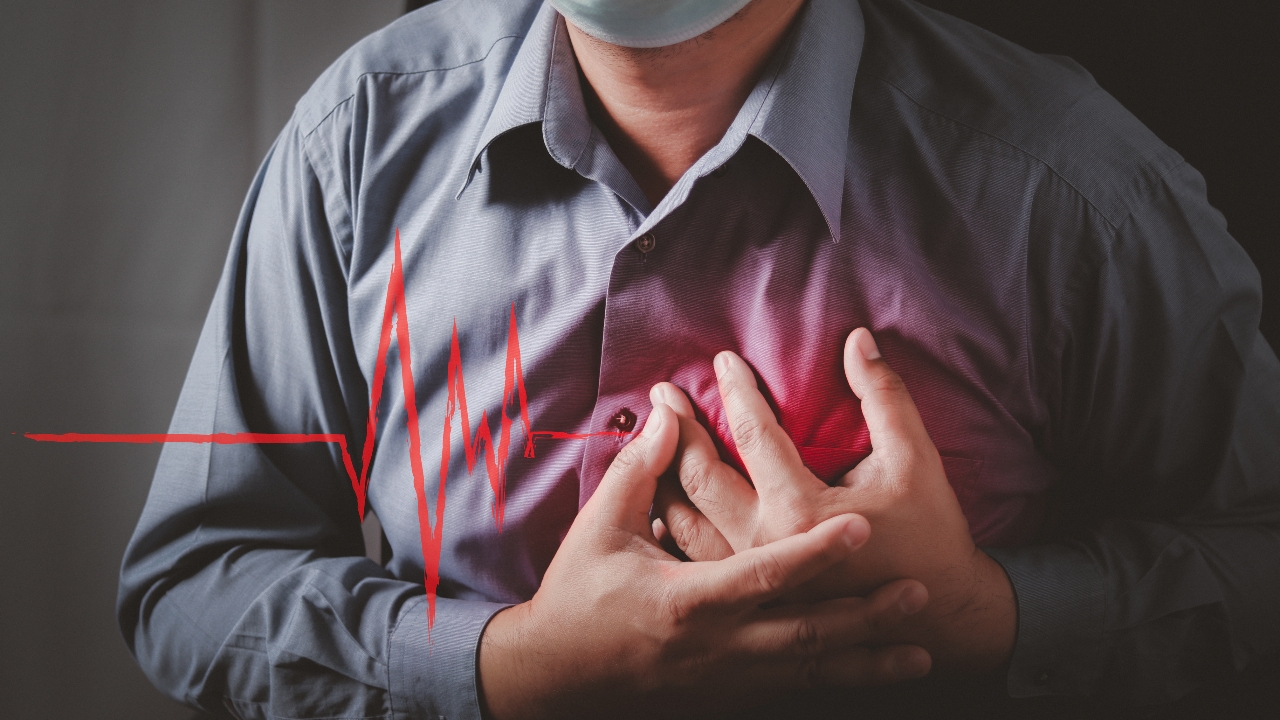
Arrhythmia is a condition caused by abnormalities in the heart's electrical system that requires prompt treatment to prevent severe, potentially life-threatening complications due to secondary effects.
Normal heartbeats originate from the sinoatrial (SA) node located in the upper right atrium, which sends electrical impulses spreading to both upper heart chambers. Then, the impulses travel to the atrioventricular (AV) node connecting the upper and lower chambers before spreading to both lower chambers. Normally, an adult heart beats about 60 to 100 times per minute at rest.
Arrhythmia is a condition where the heart's rhythm does not start from the normal electrical origin at a suitable rate, or the electrical impulse conduction deviates from the normal path described above. Arrhythmias are categorized into two types:
This can result from abnormalities in the electrical impulse origin at the upper right atrium and/or the electrical bridge connecting the upper and lower heart chambers.
This may arise from rapid abnormal rhythms in either the upper or lower heart chambers. Common tachyarrhythmias include atrial fibrillation.

Causes and risk factors for arrhythmia are divided into two categories:
Common symptoms include palpitations, rapid, slow, or irregular heartbeats, and skipped beats. Other less specific symptoms may include fatigue, weakness, or fainting.
Diagnosis relies on interpreting electrocardiograms (ECGs), typically starting with a 12-lead ECG. For intermittent arrhythmias, longer-term monitoring may be required using devices like Holter monitors (24–48 hours) or patch monitors (up to 14 days). For prolonged monitoring over months or years, an internal loop recorder (ILR) can be implanted under the chest skin.

Nowadays, smartwatches and smartphone accessories can also record ECGs to aid arrhythmia diagnosis. In detailed cases, an electrophysiologic study involving cardiac catheterization can measure internal heart electrical signals and provoke arrhythmias for evaluation.
Prolonged arrhythmias can impair heart muscle function, weakening contractions and leading to heart failure. Some arrhythmias, like atrial fibrillation and atrial flutter, can cause blood clots in the heart, which may travel and block arteries supplying organs, such as the brain, resulting in stroke. Additionally, certain fast arrhythmias from the ventricles or severe slow rhythms can cause sudden death.
Treatment depends on the arrhythmia type and whether symptoms are present. Some arrhythmias without symptoms may not require treatment, while others that pose risk of complications or death may need intervention even if asymptomatic.
For slow arrhythmias, treatment may involve implanting a pacemaker, available in various models including leadless devices.
For fast arrhythmias, main treatments include antiarrhythmic drugs, cardiac ablation procedures, and implantable defibrillators, with choices tailored individually.
Risk reduction involves controlling underlying factors as previously mentioned—for example, managing diabetes to maintain proper blood sugar levels and controlling blood pressure. Additionally, maintaining a healthy lifestyle through appropriate exercise and diet is crucial to lowering arrhythmia risk.

Arrhythmia is a complex and varied condition. Some forms can cause serious complications or be life-threatening if untreated. Therefore, if symptoms suggest arrhythmia, prompt consultation with a cardiac electrophysiologist is essential for early diagnosis and appropriate treatment to achieve the best outcomes.
Information provided by Dr. Nat Seungsontiporn, Cardiology Division, Department of Medicine, Faculty of Medicine Ramathibodi Hospital, Mahidol University.