

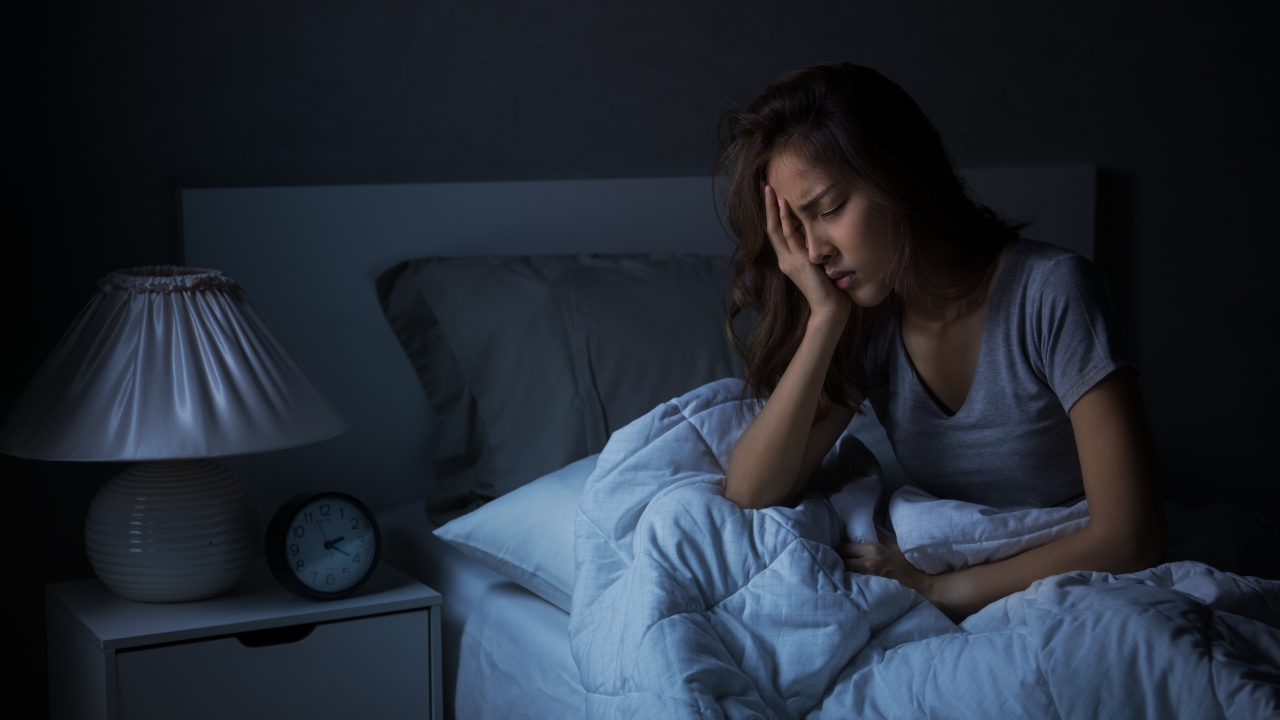
Quality sleep is as important as eating well or exercising, but data from the Department of Health reveals many Thais are experiencing insomnia, which negatively impacts both physical and mental health over time.
Thairath Online summarizes 17 methods to help you say goodbye to sleeplessness and return to deep sleep, waking refreshed and ready for the new day, based on proven research.
1. Get morning sunlight to help reset your biological clock.
Our bodies have a "biological clock" (Circadian Rhythm) that signals when to wake and sleep. Exposure to gentle morning sunlight for about 15-30 minutes helps the body release serotonin, which in turn promotes better melatonin production at night.
2. Avoid "blue light" from screens 1-2 hours before bedtime.

Thailand ranks among the highest in screen use worldwide. Blue light from smartphones and tablets suppresses melatonin secretion, making the brain think it’s daytime. If screen use is necessary, it’s recommended to enable Night Shift mode or wear blue light filtering glasses.
3. Avoid coffee and caffeinated tea after 3 PM.
Caffeine can remain in the body for 6-8 hours. Even if you feel you can sleep after consuming it, the quality of "deep sleep" significantly decreases. It’s advised to switch to unsweetened herbal teas instead.
4. Avoid napping too long during the day.
Daytime naps longer than 30 minutes or napping too late can disrupt your biological clock, causing nighttime insomnia. If very sleepy, a power nap of 15-20 minutes before 3 PM is recommended.
5. Maintain consistent sleep and wake times every day.
Going to bed and waking at the same time daily (including weekends) helps your body internalize a sleep cycle, sometimes allowing you to wake without an alarm clock.
6. Consider melatonin supplements in some cases.
For those with chronic insomnia or jet lag, melatonin can be a safe short-term aid, but consulting a doctor or pharmacist beforehand is important.
7. Avoid alcohol before bedtime.
Many believe drinking alcohol helps sleep, but it actually reduces sleep quality, causing lighter sleep and increasing the risk of sleep apnea.
8. Adjust bedroom temperature to be comfortably cool.
Thailand’s hot climate is a major barrier to sleep. The ideal bedroom temperature is around 24-26°C to help the body dissipate heat efficiently.
9. Avoid heavy meals within 3 hours before bedtime.
Eating late, especially spicy or fatty foods, can cause acid reflux, a leading cause of restless sleep and heartburn.
10. Create a sleep-friendly bedroom environment.

The bedroom should be used only for "sleep" and "intimacy." It should be completely dark, quiet, and free from external noise disturbances.
11. Take a warm bath before bed.
A warm bath (or foot soak) 1-2 hours before bedtime relaxes muscles. The rapid drop in body temperature afterward signals the brain that it’s time to sleep.
12. Check for sleep disorders.
If you snore loudly or wake up with headaches or dry mouth, these may indicate sleep apnea, warranting a medical consultation and sleep test.
13. Choose mattresses and pillows that support your body.
A mattress that sags too much or a pillow that’s too high can cause neck and back pain, leading to waking at night. Investing in quality bedding is investing in your health.
14. Exercise regularly (but not right before bedtime).

Exercise helps deepen sleep, but body heat and adrenaline released during workouts can cause alertness. Finish exercising at least 3-4 hours before sleep.
15. Limit drinking large amounts of water before bed.
To reduce nighttime bathroom trips (nocturia) that interrupt deep sleep cycles, sip water throughout the day instead.
16. Relax your mind with meditation.
Mindfulness meditation or listening to stress-relieving music lowers cortisol (stress hormone) levels, calming the brain and preparing it for rest.
17. Don’t force yourself to sleep if you can’t.
If you’ve been in bed for over 20 minutes without sleep, don’t toss and turn. Get up and do a relaxing, non-screen activity like reading under dim light. Return to bed when sleepy.
There is no single formula to solve insomnia; it involves balancing "Sleep Hygiene." By consistently applying these 17 behavioral changes for two weeks, you’ll notice clear improvements in health and work concentration.
Source:Healthline