

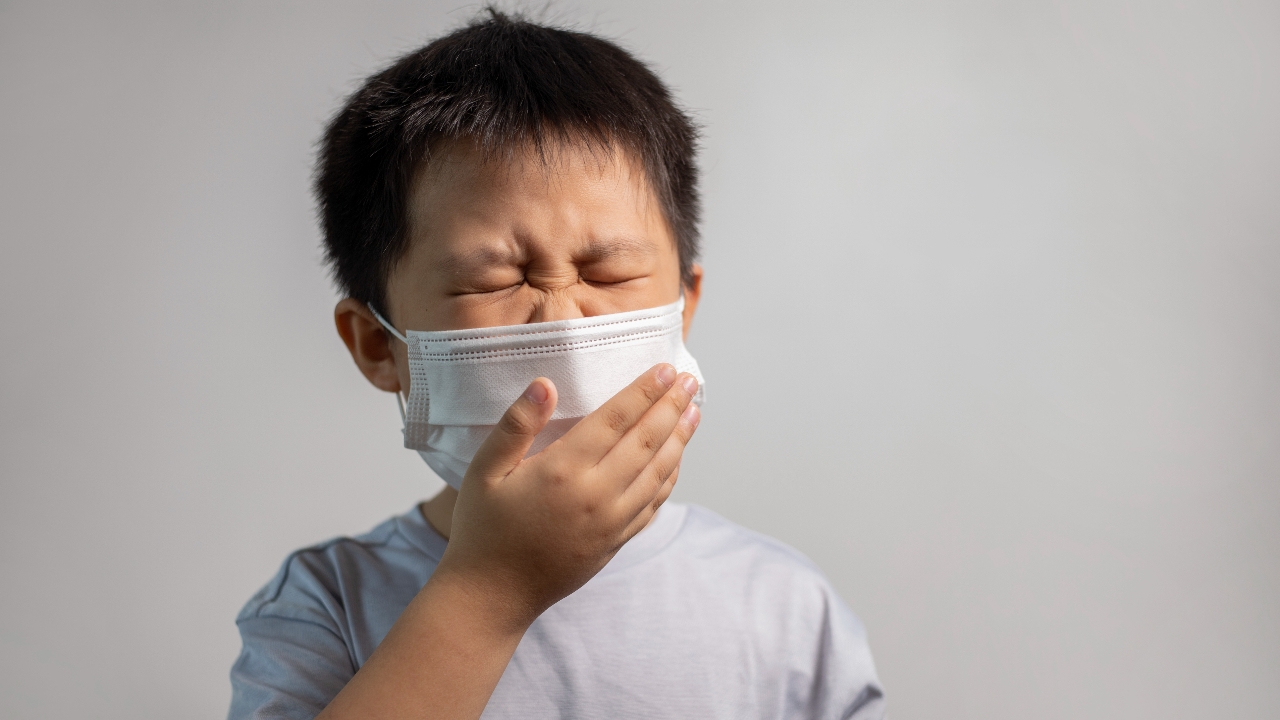
A child's cough lasting more than a month should not be dismissed as just a cold. This is a warning sign of “lung disease” that parents must be aware of.
The "cock-cough" sound from little children might seem like a normal household occurrence, especially when kids catch colds at school. Many parents become accustomed to the recurring illness and assume it will pass on its own. However, Dr. Suthida Chinthanes, a pediatric respiratory specialist at Vimut Hospital, warns that such complacency can be dangerous. If a child's cough is prolonged abnormally, it may not be just a common cold but a sign of 'lung disease' threatening their health.
Normally, coughing is a natural bodily reflex to clear irritants. In typical colds, children often have runny noses or mild fevers, and these symptoms should improve and disappear within 2 to 4 weeks. But if your child's cough becomes more frequent, severe, and lasts longer than 4 weeks — known as “chronic cough” — this is a red warning signal that requires urgent investigation.
The danger of a chronic cough lies in what lurks behind it, such as asthma, pneumonia, or the silent threat of tuberculosis. Many people think tuberculosis is an adult disease, but children can easily catch it from family members. In children, symptoms are often unclear; some may not cough at all but instead have persistent fever or weight loss. If left untreated, this can lead to serious, long-term lung complications.
If your child has a chronic cough lasting more than 4 weeks or shows any of the following symptoms, you should promptly take them to the hospital.
Upon reaching a doctor, early diagnosis can be made through medical history, physical examination, or chest X-rays to tailor treatment effectively before the disease worsens.
The best treatment is building a defense from the start. Dr. Suthida recommends ways to keep children safe from lung diseases: first, boost immunity by ensuring all necessary vaccinations are up to date; provide nutritious food; ensure adequate rest; and create an environment with good ventilation and cleanliness. Avoid exposure to PM2.5 dust, cigarette smoke, and excessively cold air. If coughing begins, encourage drinking plenty of clean water to help loosen mucus.
Important precautions: Never give your child cough medicine without medical advice. If symptoms do not improve, consult a doctor for safety.
In summary, a cough may seem minor, but when it becomes “chronic,” it is the body's call for help. Understanding these symptoms and seeking timely, appropriate treatment can reduce complications and help your child regain bright health and strong lungs, ready for learning and living fully again.