

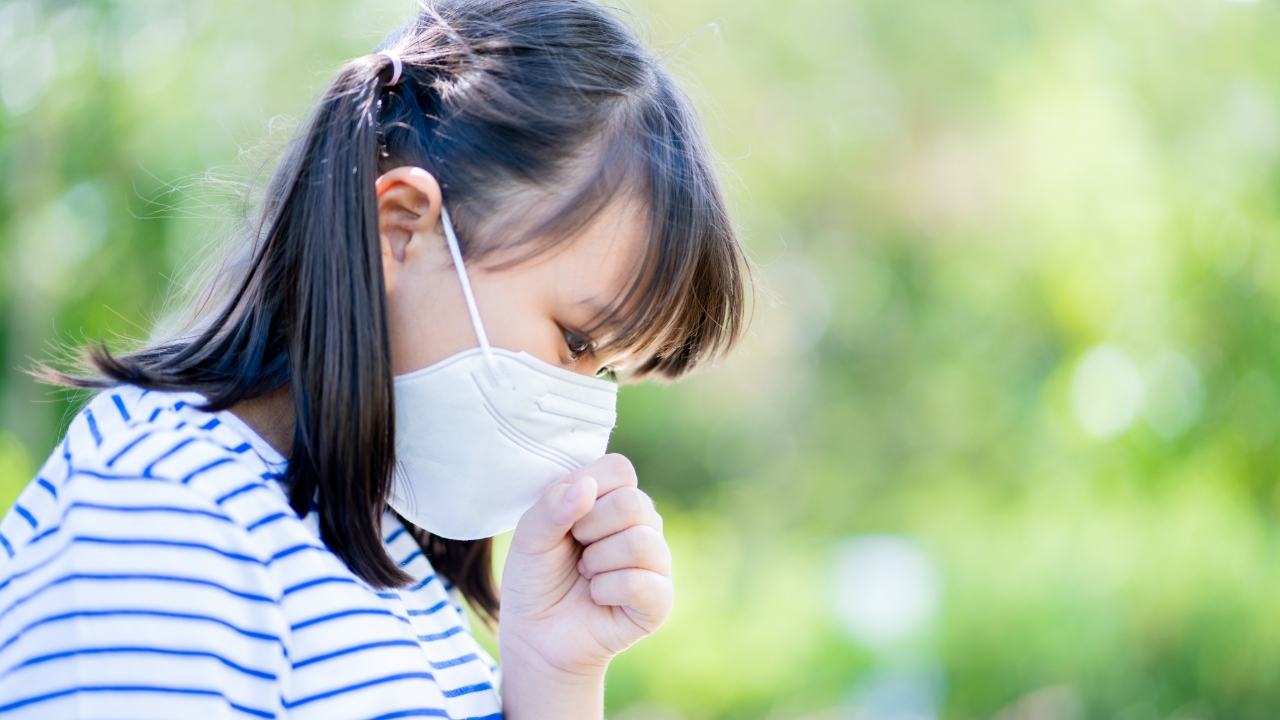
PM 2.5 particles are so tiny they can pass through the nose into the lungs and be absorbed into the bloodstream. The resulting illness may involve more than just typical allergy symptoms like sneezing, itching, nasal congestion, runny nose, or itchy eyes. It can also cause asthma attacks, respiratory system issues, or bronchial inflammation, affecting the immune system and long-term health—especially in children with allergic rhinitis who often respond more quickly and severely to dust and pollution than others.
Allergic rhinitis in children, or nasal mucosa allergy, is inflammation of the nasal lining triggered by allergens over time, causing the body to produce specific immune responses. It mostly occurs in children around 3 to 4 years old and older. Children with a family history of allergies are at higher risk because they have increased sensitivity to allergens even in small amounts.
Signs that a child may have allergic rhinitis include sneezing, itching, nasal congestion, runny nose, and itchy eyes, as well as allergic reactions triggered by environmental allergens like dust mites, dog or cat dander, grass, or mold.
If you are unsure whether your child's symptoms are due to allergic rhinitis, a detailed diagnosis can be done with a skin prick test to check sensitivity to allergens or a blood test to detect allergy markers. Doctors usually recommendtestingwhen children are 3 to 4 years old for the most accurate and cost-effective results. However, if a child shows clear allergic symptoms or needs testing, it can be done from age 2.

Air pollution everywhereEveryone is inevitably affected by inhaling fine dust particles, with symptoms ranging from itchy or burning eyes, nasal itching, skin irritation, to nosebleeds. But children who already have allergic rhinitis show faster and more severe reactions than most people. Therefore, parents should watch their children forchanges in allergy symptomsand promptly bring them to a doctor to check for effects on areas such as the nasal lining, lungs, or alveoli, which may cause narrowing or inflammation of the air sacs.
Poor air quality due to fine dust can worsen the overall health of children with allergic rhinitis. PM 2.5 particles are so small they don't just stay in the nosebut can reach deepinto the lungs. Nasal rinsing is one way to help relieve allergy symptoms in children. Importantly, children should wear N95 masks every time they go outside. If N95 masks are unavailable, regular surgical masks layered 1–2 times with a tissue paper added can help filter some dust. For children with dust-induced red or irritated eyes, doctors recommend wearing dust-protection goggles to reduce dust exposure to the eyes.

Parents and caregivers should watch for respiratory symptoms such as increased coughing, chest tightness, sleep disturbances, or worsening nasal itching and congestion. In such cases, children should see a doctor. In polluted conditions like these, some children with allergic rhinitis may need medication to relieve and control symptoms until air quality improves.
Information by Dr. Jintana Chatruppawijit, Pediatric Allergy and Immunology Specialist, Child Health Center, Phyathai 2 Hospital