

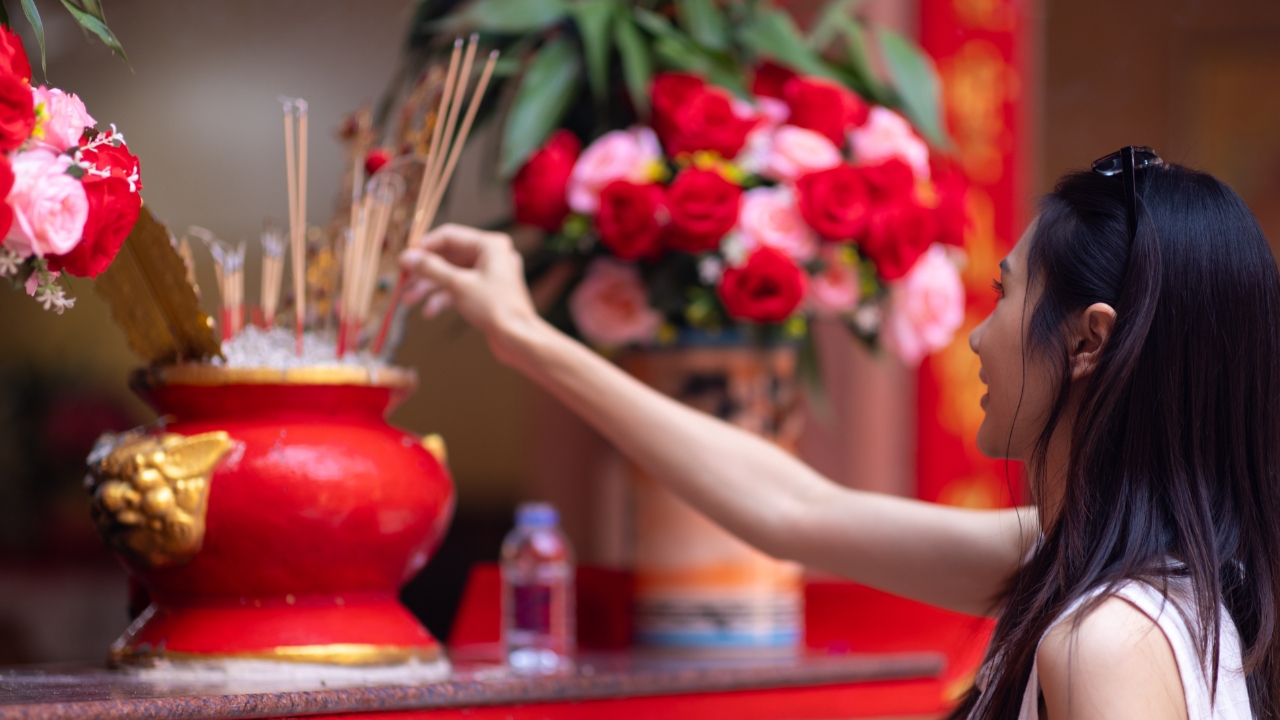
Doctors warn that during the Chinese New Year festival, incense smoke and burning of silver and gold joss paper can trigger sinusitis flare-ups. They reveal key symptoms to watch for and treatment methods ranging from medication to endoscopic surgery.
During Chinese New Year, many households burn large amounts of incense and joss paper. Did you know that this smoke is a major cause of sinusitis flare-ups, especially in chronic patients, where repeated exposure can prolong inflammation and make it harder to control?
Dr. Bannawat Tantikun, an ear, nose, and throat specialist in nasal and allergy diseases at Vejthani International Hospital, explains that incense smoke and joss paper burning smoke contain:

These substances can enter the nose, sinuses, and lungs, causing respiratory inflammation. This leads to swelling of the nasal mucosa, narrowing of sinus drainage pathways, and impaired mucus drainage. Frequent exposure increases the risk of developing chronic sinusitis.
If you experience any of the following symptoms during the Chinese New Year festival, you should be especially vigilant:
For acute sinusitis, doctors typically prescribe symptom-relief medications such as decongestants, pain relievers, nasal irrigation, or antibiotics in some cases. Chronic sinusitis treatment focuses on reducing inflammation with nasal steroid sprays combined with saline nasal rinses.
However, if symptoms do not improve with medication, there is now "Endoscopic Sinus Surgery," a popular technique involving surgery through the nasal passages using an endoscope. This method leaves no external scars, directly treats the disease, causes minimal tissue damage, allows quick recovery, and significantly improves nasal symptoms.