

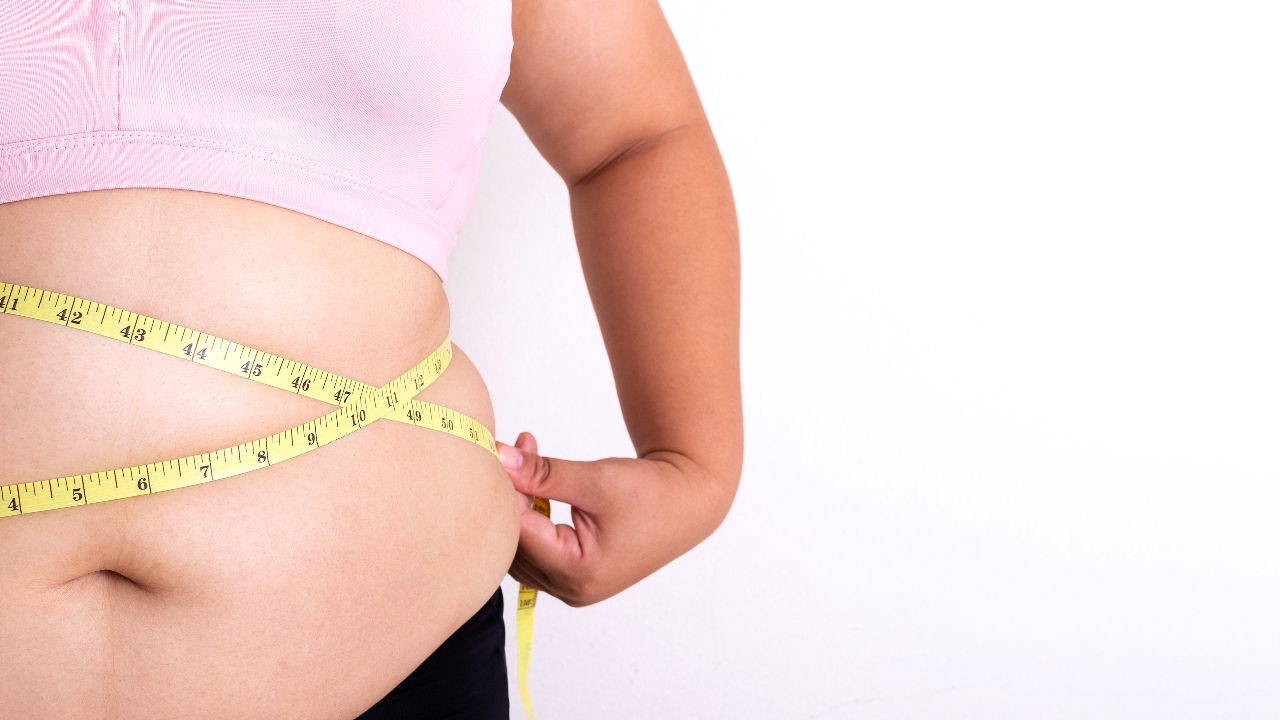
Exploring the risks of bariatric surgery following a high-profile influencer's death, reviewing side effects, complications, and mental health impacts that may lead to depression.
Following the tragic news of a famous influencer's death after undergoing bariatric surgery for weight loss, the topic has attracted widespread public attention. Many have begun to question whether this surgery isa "shortcut"to a beautiful figure worth the risks. Thairath Online has gathered information from medical experts in Thailand and abroad to help you understand the facts before making a decision.
Bariatric surgery for weight loss was originally designed to treat patientswith "morbid obesity"(Morbid Obesity), defined by a body mass index (BMI) above the threshold or with life-threatening comorbidities such as diabetes, hypertension, or sleep apnea.

The Faculty of Medicine Siriraj Hospitalclearly states that this surgery helps reduce energy intake and promotes early satiety but is not intended solely for cosmetic purposes. Patients must be in excellent physical condition before undergoing surgery.
Even though laparoscopic surgery technology is advanced, risks of complications remain. Data fromBangkok HospitalandVibhavadi Hospitalsummarize the possible complications as follows:
This critical issue is often overlooked. Research from the global institutionUCLA Healthfound that bariatric surgery patients are twice as likely to experience depression compared to the general population. Furthermore, studies published inPubMed (NIH)report alarming data that post-surgery patients have nearly 2 to 3 times higher risk of self-harm orsuicidewithin 3 to 4 years after surgery, caused by

Currently, treatment standards include thorough patient assessment, including mental health evaluation, and continuous follow-up. If issues arise, appropriate care and treatment can be provided. Overall, most patients experience improved quality of life after surgery when properly managed.
Dr. Dusadee Surakitboworn, a laparoscopic and obesity surgery specialist at Vimut Hospital, told Thairath Online Lifestyle that bariatric surgery is suitable for obese patients at health risk, especially those with a BMI over 37.5 or over 32 with diseases such as diabetes, hypertension, or sleep apnea, who have not succeeded with other weight loss methods.
"A key benefit is effective weight loss and significant improvement of comorbid conditions like diabetes, hypertension, and fatty liver, as well as reduced long-term heart disease risk."

Besides the physical and psychological side effects mentioned above, from a medical viewpoint, he sees bariatric surgery as an effective treatment option for medically qualified obese patients, particularly those with dangerous comorbidities.
However, not everyone needs surgery. Patients must be carefully evaluated and prepared for long-term follow-up care. Crucial factors include choosing experienced medical teams and facilities with continuous post-surgery monitoring to ensure safety.
"Weight loss surgery is safe and effective when performed on appropriate patients under the care of a qualified medical team," Dr. Dusadee concluded.
Therefore, bariatric surgery is nota "shortcut"but rathera "new beginning"that demands discipline and involves risks. The lesson from the influencer's case reminds us that"Good health must come before beauty."Before deciding, consult multidisciplinary specialists, including surgeons and psychiatrists, to ensure maximum safety.