

Thairath Online
Thairath Online

Caring for Dental Crowns and Signs Its Time to Replace Them

Health-and-beauty25 Feb 2026 10:55 GMT+7

Share article

Caring for Dental Crowns and Signs Its Time to Replace Them

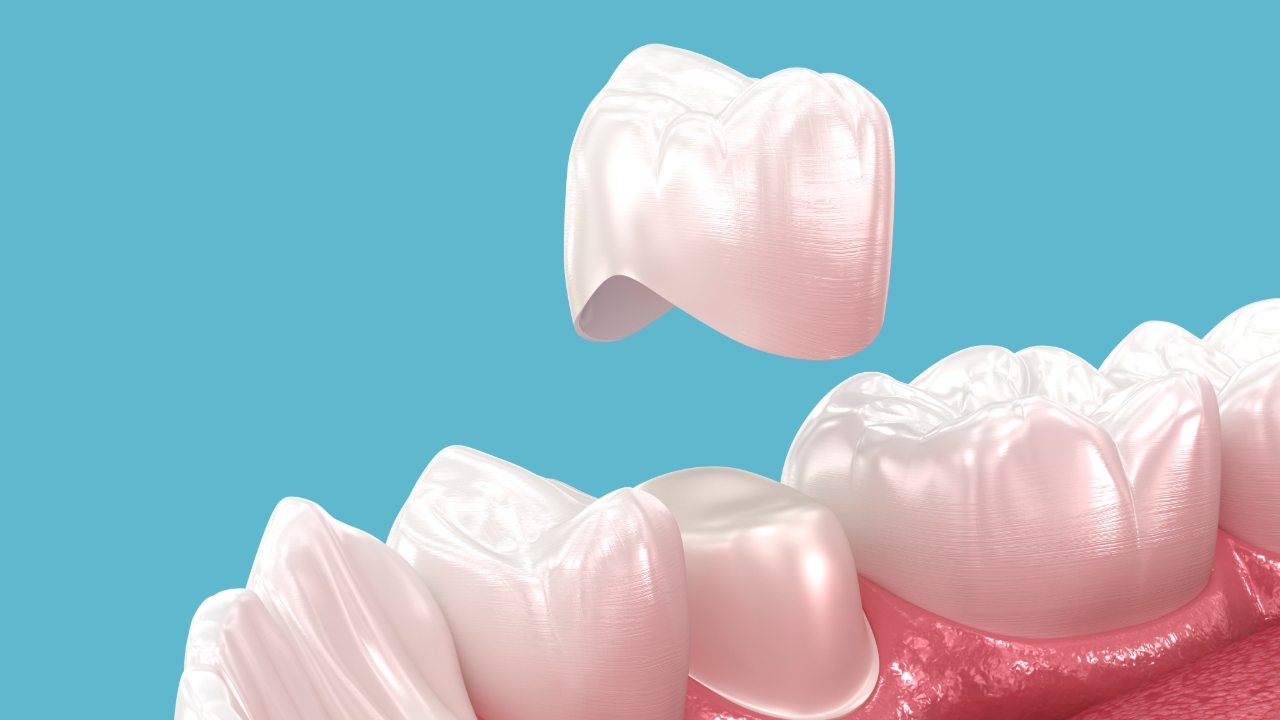
Dental Crown A Dental Crown is a restorative dental procedure involving reshaping a damaged tooth and covering it with a synthetic material that resembles a “ cap ” placed over the natural tooth to enhance strength and improve appearance. Generally, dental crowns are suitable for the following cases:

  • Teeth that are cracked, broken, or worn down beyond repair with a simple filling.
  • Teeth with severe decay that have lost a significant amount of tooth structure.
  • Teeth that have undergone root canal treatment and have little remaining tooth structure, needing reinforcement.
  • Serving as abutments for dental bridges to distribute chewing forces and protect the natural teeth acting as supports.
  • To adjust the shape, color, or alignment of teeth for aesthetic purposes.

Care for dental crowns and behaviors to avoid after placement.

Use a soft-bristled toothbrush to minimize abrasion that could wear down the crown material. Combine this with flossing or using mouthwash to clean between teeth and reduce bacterial buildup. Visit your dentist every six months for oral health checkups, scaling, and crown assessments. Avoid biting or chewing hard items such as bones, ice, or nuts, and refrain from using teeth to bite nails or open bottles, as these actions can damage the crown. Also, avoid excessively sticky or hard foods like chewing gum, caramel, or tough meats, which may dislodge or damage the crown. If you grind your teeth at night, use a mouthguard to reduce pressure that can accelerate crown wear.

Common problems and effects after dental crown placement.

  • Gum inflammation or swelling caused by food debris and plaque accumulation around the crown margins, which can develop into periodontal disease if untreated, potentially leading to loose or lost teeth.
  • Decay beneath the crown due to gaps between the crown and natural tooth that allow bacteria to accumulate.
  • Tooth sensitivity or pain under the crown.Caused byimproper crown fittingor decayunder the crown.

How long does a dental crown last? Factors affecting its lifespan.

The longevity of a dental crown depends on several factors:

  • The crown material plays a direct role. Metal alloys are highly durable and can last over 15 years, while porcelain-fused-to-metal and ceramic crowns average 10-15 years. Zirconia crowns last approximately 10-20 years. However, durability also depends on care and other factors such as the crown fabrication method.
  • Oral hygiene is crucial for prolonging crown life. Proper brushing, flossing, and avoiding stain-causing or damaging foods like tea, coffee, and sugary items help prevent premature crown deterioration.
  • Chewing habits and tooth use directly affect crown durability. Individuals with strong bite forces or nighttime teeth grinding may experience faster wear or breakage. Misusing teeth to bite nails, chew ice, or open bottle caps can also damage crowns.
  • The health of the underlying natural tooth and gums matters. Decayed teeth, gum recession, or periodontal disease can loosen crowns or cause attachment problems.
  • The dentist's skill and quality of crown placement matter. Proper tooth preparation and crown fitting reduce looseness or gaps that can lead to decay beneath the crown. Using high-quality adhesives ensures a tight seal between crown and tooth for longer function.

When should you replace a dental crown? Signs your crown is deteriorating.

Although crowns typically last 5-15 years or longer, watch for warning signs indicating you should see a dentist or replace the crown sooner:

  • Crown deterioration.
  • Cracked, chipped, or dislodged crowns—small chips may be repairable, but large cracks or dislodgement often require replacement.
  • Loose or ill-fitting crowns that move, don’t fit snugly, or have gaps between crown and gum. This may result from adhesive failure or changes in supporting tooth structure, increasing risk of bacterial infection, decay, and gum disease.
  • Expired crowns—Even if the crown looks fine, if it has been in use for over 10-15 years, have a dentist evaluate whether it remains functional or needs replacement.
  • Dental and oral health problems.
  • Tooth sensitivity or pain under the crown, possibly caused by decay beneath the crown or gum inflammation.
  • Inflamed or receding gums around the crown showing swelling, redness, or bleeding, which may indicate gum disease.
  • Allergic reactions to crown materials like metal or porcelain causing oral irritation, though rare.
  • However, it is important toconsult your dentist promptly.
  • Discoloration or staining.
  • Crowns showing stains, discoloration, or dark marks near the gum line—especially metal alloy crowns that may cause dark gum lines due to saliva reactions, or porcelain crowns that can accumulate irreversible stains.

Proper crown care helps keep your teeth strong and attractive while preventing decay and gum disease. Therefore, prioritize oral care after crown placement and follow your dentist’s advice. Phyathai Phaholyothin Hospital offers advanced, internationally standardized dental crown treatments by experienced specialists. Consult us today for long-lasting dental health.

Information source Dr. Thanapon Numanoi, Prosthodontic Specialist, Digital Dentistry and Implant Center, Phyathai Phaholyothin Hospital