

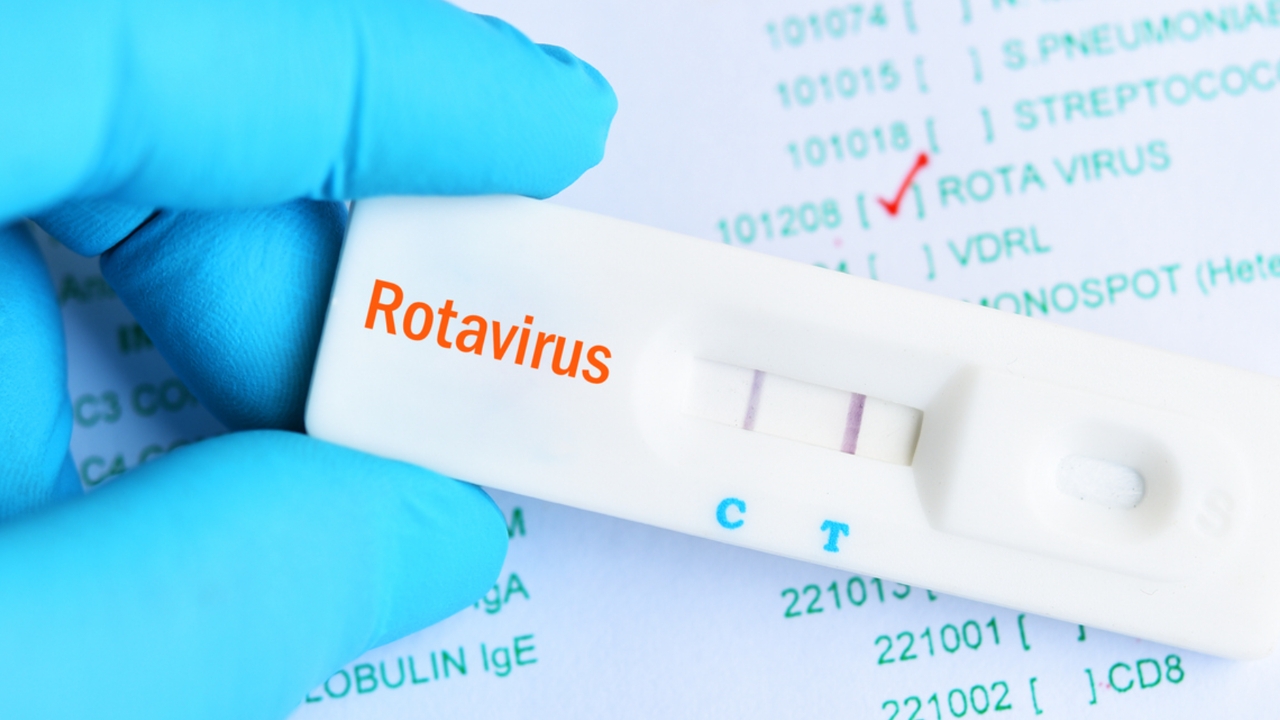
"Rotavirus" is the main cause of severe diarrhea in young children that parents must not overlook. Key symptoms include high fever, vomiting, and watery stools, along with treatment options and preventive measures using the rotavirus vaccine.
Diarrhea in children is a serious matter, especially when caused by "rotavirus," which can spread rapidly and severely, potentially life-threatening. Dr. Ploy Phatthana-kitsakul from Ramathibodi Hospital explains how to properly manage and prevent this virus.
Rotavirus is a primary cause of severe diarrhea in children, particularly those under 5 years old. Its danger lies in its high resistance to environmental conditions, allowing it to spread year-round, with increased cases during colder periods.
The virus is often found on hands, personal items, toys, and contaminated food or drinking water. When children ingest the virus, they may suffer dehydration, nutrient deficiencies, or electrolyte imbalances, which can be severe enough to cause death.
Patients usually exhibit symptoms in the following sequence.

Adults can also be infected, though symptoms are usually mild or absent, except for elderly individuals who may experience severe symptoms.
Currently, there is no specific antiviral medication for rotavirus. Treatment focuses on symptom management as follows.
Prevention is simple with good hygiene practices like frequent handwashing before and after meals and after diaper changes.
However, the "best prevention" is receiving the rotavirus vaccine, which is an oral vaccine.
Rotavirus is highly contagious and resilient, making hygiene the first line of defense. For peace of mind and to reduce the risk of severe illness, taking children for their scheduled vaccinations is the most effective solution for parents today.