

Understanding Black Acid Rain: An Environmental Crisis in Iran Worse Than Expected from the War Aftermath

Get to know the phenomenon of "black acid rain" in Iran caused by war smoke soot, understand its causes, health effects, and proper self-protection based on scientific principles.
The "black acid rain" phenomenon has gone viral worldwide, causing alarm as it falls across many areas in Iran amid ongoing conflicts in the Middle East. This soot-colored rain not only dirties surfaces but also carries health and environmental dangers that require close attention. We will explain what "black rain" is and how to protect yourself from it.
What is black acid rain? Why does it fall as black-colored rain?
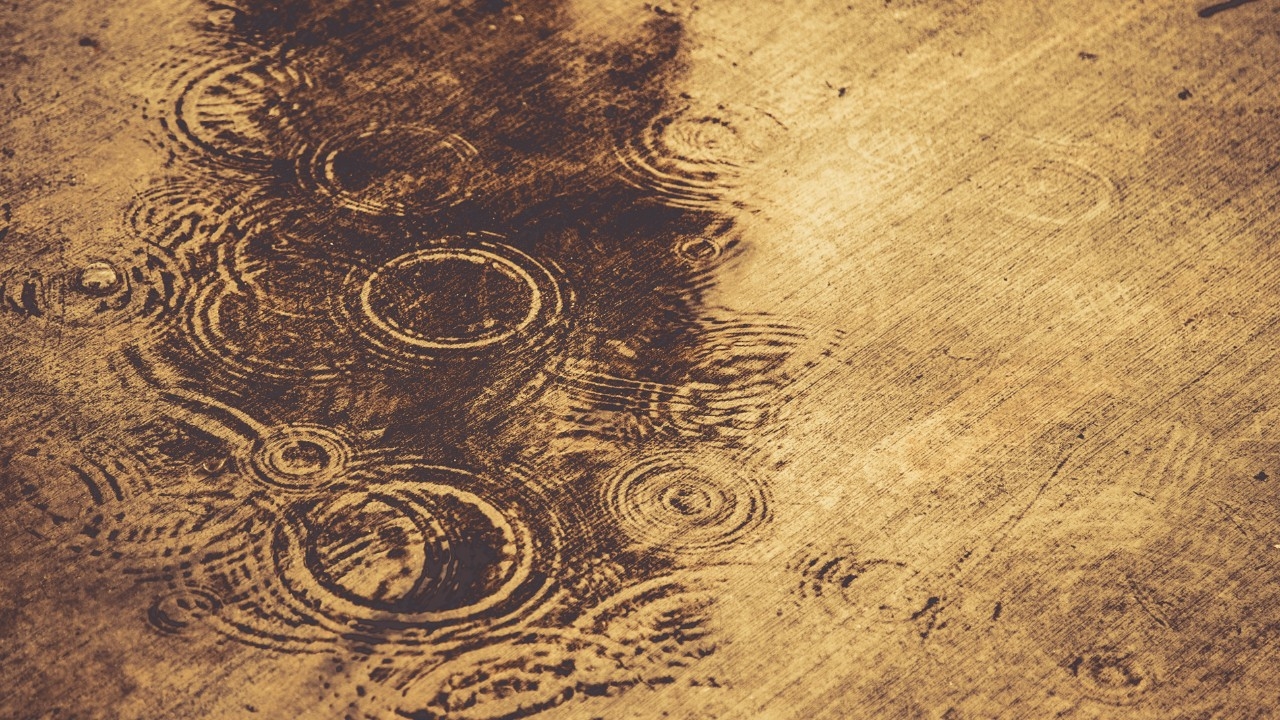
Black acid rain refers to rainfall mixed with massive amounts of soot and harmful chemicals suspended in the atmosphere, turning the rainwater from clear to dark gray or pitch black, with acidity levels higher than normal.
Main causes of black rain in Iran
- Soot from war and explosions: Attacks on oil depots, refineries, or war equipment cause incomplete combustion of fossil fuels, releasing fine carbon particles that rise into the sky.
- Chemical reactions: Sulfur dioxide and nitrogen oxides from explosions react with airborne water droplets to form sulfuric and nitric acids.
- Pollution condensation During rainfall, water droplets act as "scrubbers," bringing down dust and black soot particles to the ground together.
Immediate dangers: health impacts that should not be overlooked
Exposure to acid rain contaminated with dense soot can affect the body in multiple ways as follows.
- Respiratory system: Inhaling chemically tainted rain droplets may cause throat irritation, acute pneumonia, or trigger asthma symptoms.
- Skin and eyes: High acidity and chemical soot can cause itchy rashes and burning skin; if it contacts eyes, it may lead to inflammation or corneal damage.
- Long-term carcinogens: Soot from burning oil often contains PAHs (Polycyclic Aromatic Hydrocarbons), carcinogenic substances that can accumulate in the body through contact or contamination of water and food sources.
How to protect and care for yourself when encountering "black acid rain"
If you are in a risk area or notice abnormal rain, follow these recommendations.
- Avoid direct contact: Stay indoors during rain; if you must go outside, wear rain gear and use an umbrella.
- Wear a mask: Use an N95 mask to filter small soot particles and chemical droplets more effectively than regular cloth masks.
- Wash immediately: If your skin contacts black rain, rinse thoroughly with clean water and plenty of soap right away.
- Do not use rainwater: Avoid using rainwater from this period for drinking or watering plants due to high contamination with toxins and heavy metals.
Will black acid rain reach Thailand?
Many wonder if this pollution will travel to Thailand. Preliminary analysis shows the chance of black acid rain in Thailand is "very low" because the distance exceeds 6,000 km, causing large soot particles to dilute before reaching Thailand.
However, even without black acid rain, "transboundary pollution" in forms like PM2.5 dust or toxic gases can be carried by upper-level winds to accumulate in the global atmosphere, affecting overall air quality.
The black acid rain phenomenon in Iran is a "warning signal" from nature impacted by human actions. Although it occurs abroad, air pollution can cross borders via wind currents. Understanding its origin and protection methods is a crucial shield in an era facing multiple environmental crises worldwide.