

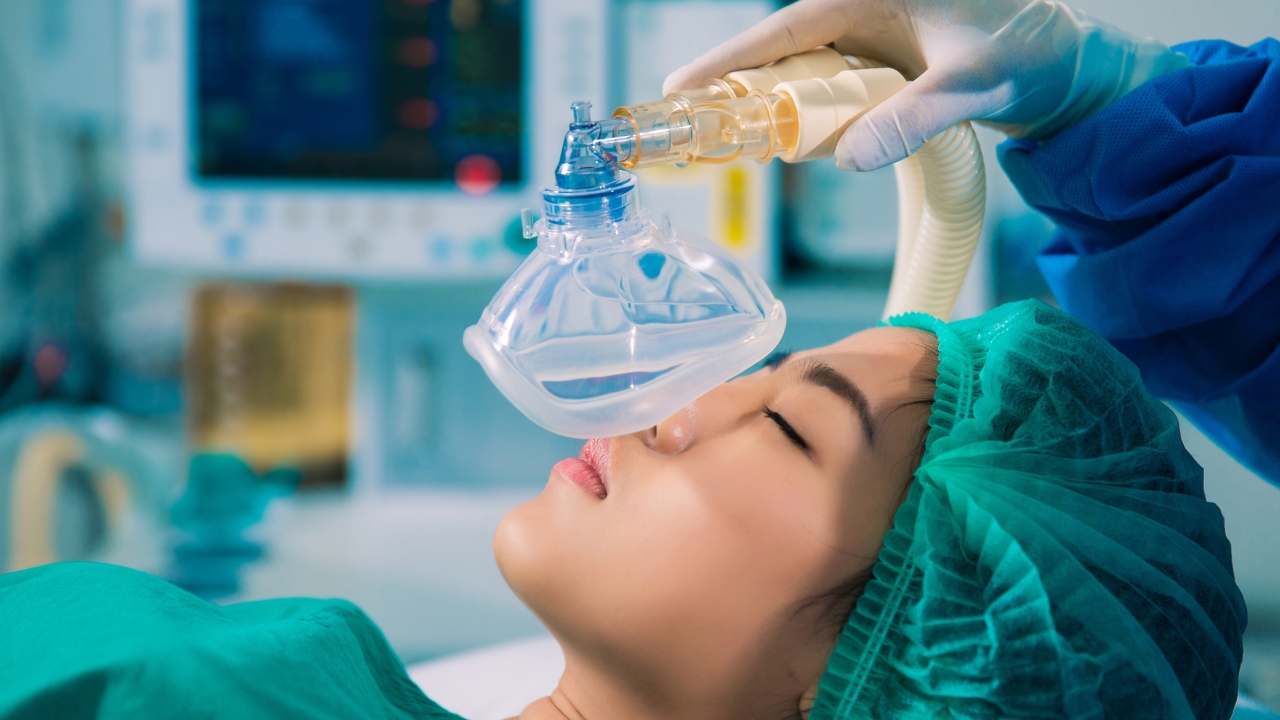
Exploring the origins of "14 surnames linked to anesthesia allergies" and their risk for Malignant Hyperthermia (MH), a sudden high fever during surgery that can be life-threatening, along with preparation steps before anesthesia.
The topic of 14 surnames linked to anesthesia allergies stems from past medical research identifying certain Thai families with genetic defects. When exposed to inhaled anesthetics, these groups exhibit unusually severe reactions. These surnames have been compiled into a database for anesthesiologists to monitor patients with heightened caution.
Generally, what people call "anesthesia allergy" includes two main categories: common side effects like nausea, vomiting, or dizziness after waking up, and true allergic reactions to anesthesia, which are further divided into:
This presents a medical challenge because "there is no general skin allergy test for anesthetics" like there is for antibiotics—except if the patient has a suspected prior allergy. Doctors assess risk by:
Allergic reactions can occur from the start of anesthesia through surgery, with warning signs including:
The best prevention is providing complete information to the anesthesiologist before surgery, including:
Regarding genetic screening for Malignant Hyperthermia (MH), commonly referred to as "anesthesia allergy," medical technology has advanced enough to test before any surgical incident occurs.
This testing focuses on detecting abnormalities in the RYR1 and CACNA1S genes, which are primary causes of MH, following these steps:

Before testing, doctors take a detailed history, especially regarding:
Currently preferred and least invasive methods include:
Labs use Next-Generation Sequencing (NGS) to detect gene mutations linked to MH. If abnormalities matching risk databases are found, doctors diagnose "MH Susceptible" (high-risk group).
In Thailand, facilities capable of MH risk testing via DNA and muscle biopsy are mainly centralized at university hospitals and large genetics centers, such as Siriraj Hospital, Chulalongkorn Hospital (Thai Red Cross), Ramathibodi Hospital, and leading private hospitals like Bumrungrad and Bangkok Hospital.
Those with government health insurance or social security can access testing if medically indicated, such as having a close relative who died from anesthesia allergy. The process begins at the designated hospital to obtain a referral to a university hospital. DNA testing costs typically range from 5,000 to 15,000 baht depending on gene number and hospital.
DNA testing is safe and about 60-80% accurate. A positive result grants the patient an "MH risk identification card" to present to anesthesiologists before surgery, ensuring 100% accurate life-saving precautions.
Sources:Mayo Clinic,MHAUS