

Thairath Online
Thairath Online

Warning About SFTS Virus from Tick Bites: Severe Symptoms Including Encephalitis and Death

Health-and-beauty17 Mar 2026 19:31 GMT+7

Share article

Warning About SFTS Virus from Tick Bites: Severe Symptoms Including Encephalitis and Death

Learn about the SFTS virus, a dangerous threat from tick bites that can cause severe symptoms including encephalitis and kidney failure. Check symptoms, outbreak areas, and ways to protect yourself from these tiny carriers.

Camping enthusiasts and pet lovers need to be cautious of the "SFTS virus," a tick-borne disease that can cause severe conditions such as low platelet count, kidney failure, and even encephalitis. It is not a distant threat. Guidance is provided on prevention and symptom recognition before it’s too late.

What is the SFTS virus? Why is it found in Asia?

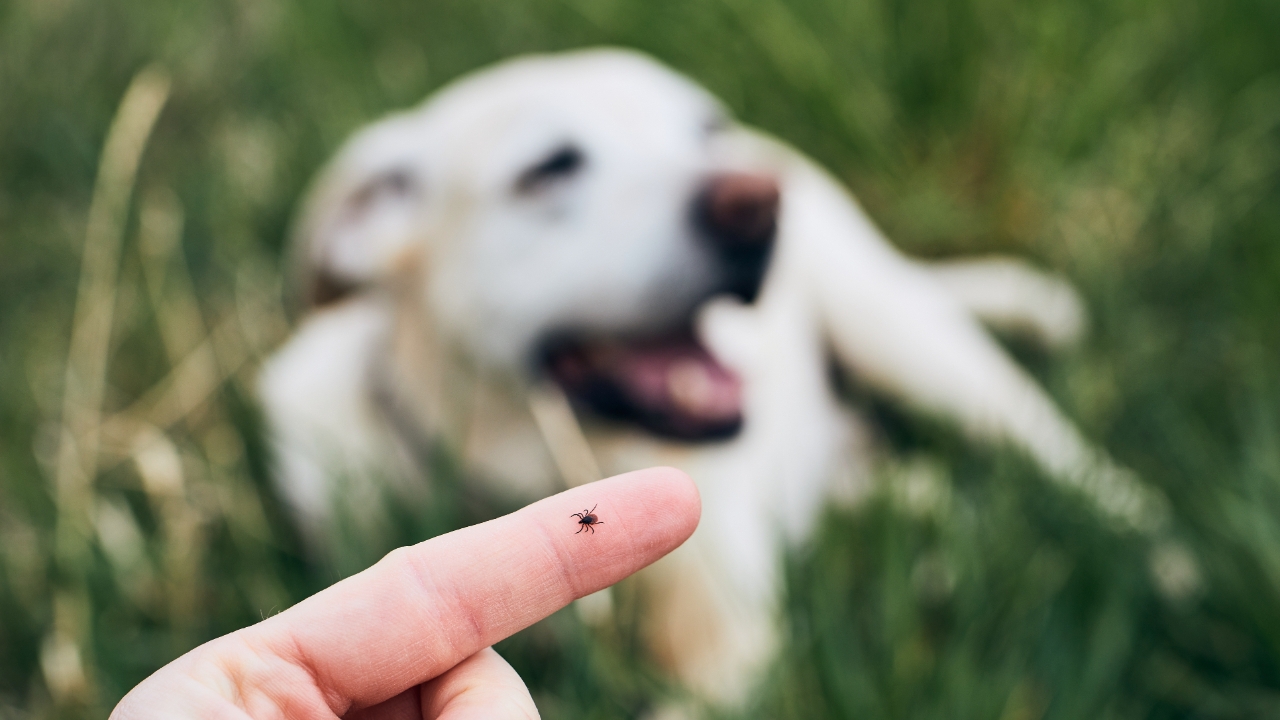
Severe Fever with Thrombocytopenia Syndrome (SFTS) is a condition characterized by high fever combined with low platelet count, caused by a virus from the Bunyaviridae family, with ticks—especially those from the Haemaphysalis genus—being the primary carriers.

ภาพจาก iStock

A key difference is that SFTS mainly outbreaks heavily in East Asia, including China, Japan, and Korea, with emerging surveillance reports in Thailand. This contrasts with TBE, which is more common in Europe. The virus is highly severe, with an average fatality rate of 10-30%, due to the lack of vaccines or specific antiviral treatments.

Symptoms of SFTS virus after a tick bite affect the whole body system.

About 7 to 14 days after infection, patients exhibit severe and complex symptoms as follows.

ภาพจาก iStock

  • Gastrointestinal system: Nausea, vomiting, and severe diarrhea are common prominent symptoms.
  • Blood system: Rapid decrease in platelets and white blood cells, leading to easy bleeding.
  • Brain and nervous system: If the virus spreads to the nervous system, it causes encephalitis, with patients becoming confused, drowsy, having seizures, and losing consciousness.
  • Complications: Acute kidney failure or multiple organ failure are primary causes of death.

Risk areas that require vigilance.

  • Habitats of carriers include bushes, grasslands, agricultural areas, and on pets such as dogs, cats, or wild animals.
  • Human-to-human transmission: There are reports of transmission through contact with the blood or bodily fluids of patients. Therefore, healthcare workers and caregivers must exercise extra caution.

Transmission from "pets to humans."

Besides tick bites, the virusSFTShas also been reported to transmit from pets to humans as follows.

  • Contact with bodily fluids: Humans can contract SFTS by touching blood, saliva, or urine from infected pets (dogs or cats), even without direct tick bites.
  • Reported cases: In Japan, cat owners contracted SFTS after being bitten by sick stray cats or after caring for ill dogs and contacting saliva without protection.
  • Asymptomatic infected animals: Some pets may be infected by ticks without showing severe symptoms but can carry the virus and spread it to their owners through close contact.

How to respond to and prevent the "SFTS virus."

Since there is no vaccine, the best prevention is to "avoid tick bites."

ภาพจาก iStock

  • Wear protective clothing: Long-sleeved shirts, long pants, and tuck shirts into pants when entering forests or grasslands.
  • Use insect repellent: Spray DEET or Picaridin-containing products on skin and clothing.
  • Check your body: After returning from high-risk areas, immediately check for ticks in skin folds, behind ears, and on the scalp.
  • Care for pets: Regularly apply tick prevention drops or use tick collars on pets.