

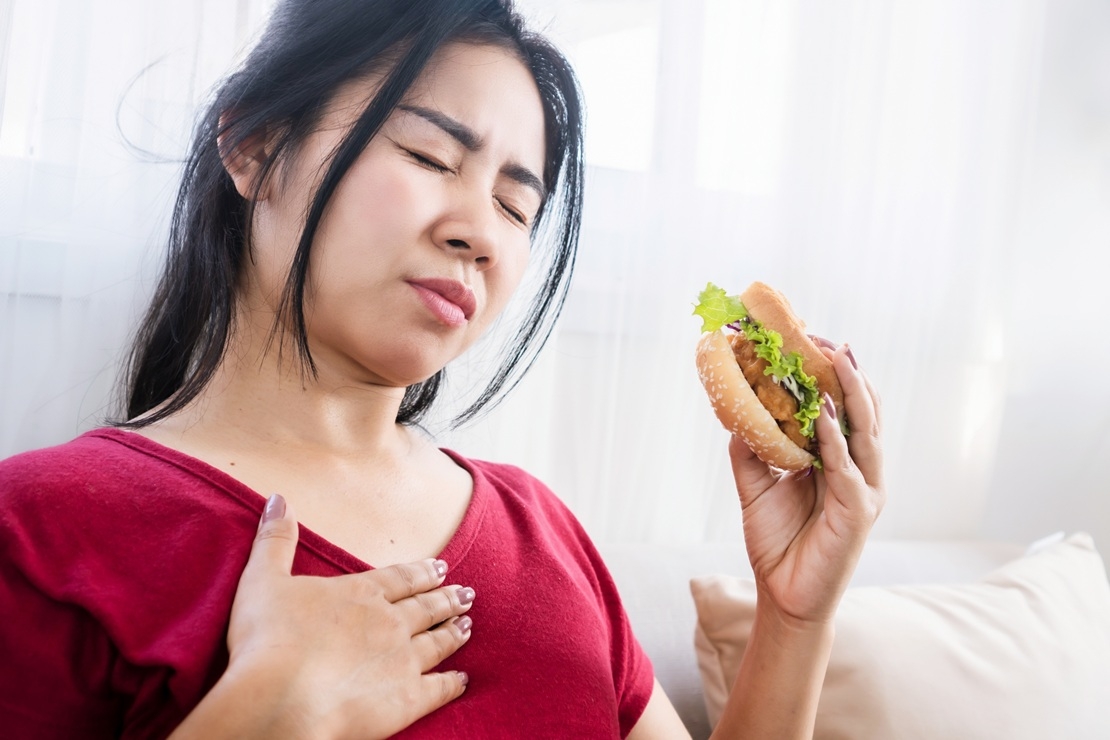
What foods should be avoided with acid reflux? A detailed look at trigger foods that worsen symptoms, along with recommendations for safe foods and proper eating habits to achieve sustainable treatment based on medical guidelines.
Heartburn, sour burps, and chest tightness caused by acid reflux not only make daily life miserable but can also lead to chronic health problems if left untreated. Knowing how to manage these symptoms—especially understanding“what foods to avoid with acid reflux”is a key step that can help you regain a happy life without relying solely on medication.
The most sustainable treatment for acid reflux is not just taking medication but“changing your behavior.”This especially applies to the savory and sweet foods we consume daily. Medical research shows that certain foods stimulate the relaxation of the lower esophageal sphincter or increase stomach acid production, causing acid to rise. If you wonder what to avoid with acid reflux, here is a list to steer clear of.

Fried foods, sautéed dishes, fatty meats, and baked goods rich in butter and cream. Fat slows stomach emptying, leading to food residue buildup and increased stomach pressure.
Oranges, lemons, tomatoes, or pineapple, while rich in vitamins, are acidic and may worsen esophageal inflammation.
Coffee, tea, sodas, and alcoholic drinks directly cause the lower esophageal sphincter to relax, making acid reflux more likely.

Chili, black pepper, or heavily spiced foods irritate the digestive lining, triggering acid reflux flare-ups and increased stomach burning.
Onions, garlic, and some raw vegetables may cause excessive stomach gas, pushing acid upward into the esophagus.
knowing what not to eat is only the first step; more importantly, you need to choose foods that“coat and soothe”the inflamed digestive tract. Here are food groups and recommended dishes that can significantly relieve your acid reflux symptoms.
Choose unrefined grains because their high fiber helps maintain regular bowel movements and reduces abdominal pressure that can push acid upward.
High-fat meats cause the esophageal sphincter to relax, so choose proteins that are“stomach-friendly.”Recommended dishes: steamed herb chicken breast (avoid excess pepper), steamed Nile tilapia with soy sauce and ginger (ginger helps reduce gas), boiled or steamed egg whites (avoid oily omelets).

Recommended dishes: clear soup with ivy gourd and minced pork (avoid excessive fried garlic), stir-fried Chinese cabbage with oyster sauce (use minimal oil), boiled soft cabbage.
Bananas: contain tannins that coat the stomach and reduce inflammation.
“how you eat”is equally important.Chew thoroughly: Chewing each bite 20-30 times helps reduce stomach workload and excess acid production.
“choose the right foods and eat at the right times.”Avoiding high-fat, spicy foods, and caffeinated drinks while selecting easily digestible dishes like steamed chicken breast or boiled vegetables reduces stomach burden and allows the esophageal sphincter to heal.However, changing eating habits alone may not suffice if risky behaviors persist, such as lying down immediately after eating or being overweight. Sustainable treatment requires building new daily routines.
If you have changed your diet and avoided trigger foods but still experience persistent heartburn or sour burps beyond two weeks, or symptoms like difficulty swallowing or unexplained weight loss, you should see a specialist for an endoscopic examination. These may indicate more serious underlying conditions.