

Thairath Online
Thairath Online

Is Masking Every Day Good? Exploring the Pros and Cons Plus Skincare Tips for Beauty Enthusiasts

Health-and-beauty25 Mar 2026 11:50 GMT+7

Share

Is Masking Every Day Good? Exploring the Pros and Cons Plus Skincare Tips for Beauty Enthusiasts

Answering the question: Can you mask your face every day? We examine the benefits and drawbacks of frequent sheet mask use, identify mask types to avoid, and share proper tips for keeping skin hydrated and healthy.

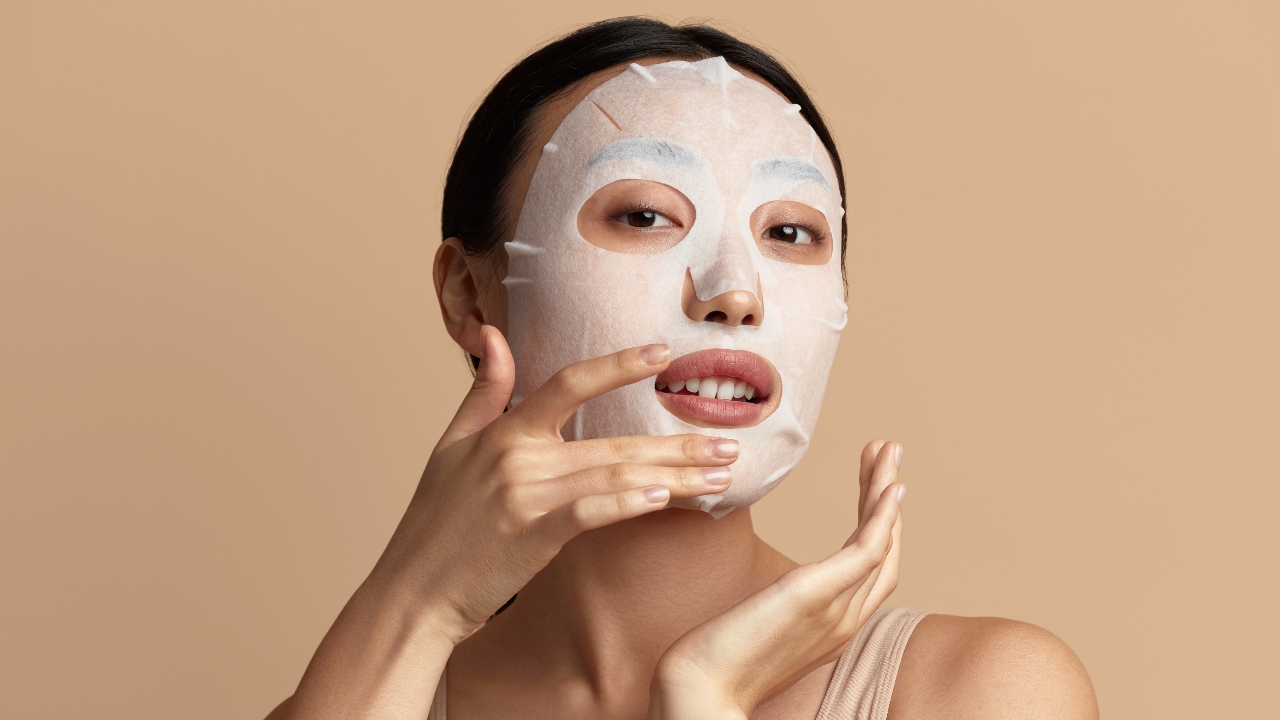
Facial masking is a shortcut to dewy, glowing skin that many love. But a common question is, "Can we mask our face every day?" In reality, this practice can have both positive and negative effects depending on your skin type and the mask you choose. Using it incorrectly may easily damage skin that should otherwise be radiant.

Is masking every day beneficial? Key advantages skin lovers should know.

ภาพจาก iStock

Sheet masks are like an intensive treatment in a short time. If you choose formulas focused on "hydration" containing ingredients like Hyaluronic Acid and Glycerin, frequent masking helps replenish moisture, plumps the skin, reduces dryness, and improves makeup longevity. This is a popular secret for dewy Korean-style skin.

Drawbacks and precautions: When "over-nourishing" becomes skin damage.

Although adding moisture is good, daily masking may not suit everyone. Here are some warnings to consider.

  • Risk of clogged pores: For oily or acne-prone skin, masking every day may overload the skin with nutrients, causing pore blockage and inflammatory acne.
  • Weakened skin barrier: Constantly wet skin from masking can disrupt the skin's balance, leading to increased sensitivity and irritation.
  • Irritation: If the mask contains fragrances, alcohol, or strong preservatives, daily use raises the chance of allergic reactions and itchy rashes.

Which masks should "not" be used daily?

This is an important caution because some masks are designed for use only once or twice per week.

  • Exfoliating/Whitening masks : Containing concentrated AHA, BHA, or Vitamin C, daily use can thin the skin, increase sun sensitivity, and cause burning sensations.
  • Clay masks: They absorb oil and cleanse pores, but daily use can overly dry the skin and disrupt its balance.
  • Peel-off masks: Frequently peeling off these masks severely irritates the skin.

Can "Hydrogel Masks" be used every day?

Besides paper or fiber sheet masks, hydrogel masks are another innovation many wonder if they can be used daily.

ภาพจาก iStock

These masks feature a gel sheet that locks in moisture excellently and usually "melts" to release nutrients upon contact with body temperature.

  • The answer is: If the formula focuses on Soothing or Moisturizing, they can be used almost daily, similar to regular sheet masks.
  • Advantages: Hydrogel masks effectively cool the skin, ideal for Thailand's climate where skin faces heat and UV exposure constantly. Frequent use can reduce inflammation caused by sun damage.
  • Precautions: Since hydrogel masks are pricier and more concentrated, if your skin isn't very dry, alternating with regular sheet masks or using them 2-3 times a week is sufficient to keep skin hydrated without overspending.

When is the best time to mask, and should you rinse afterward?

  • When is the best time to mask? You can mask both morning and evening, but evening is ideal as skin can rest and repair itself best then.
  • Should you rinse off after masking? For typical sheet masks, rinsing isn't necessary. You should massage the essence into the skin and apply moisturizer to lock in hydration. If the mask leaves an uncomfortable sticky residue, rinsing lightly with water won't significantly reduce effectiveness.

In summary, daily masking is fine if you have dry skin and use gentle hydrating formulas. For oily or sensitive skin, masking 2-3 times per week is enough. The most important thing is to observe your skin’s reactions; if you develop rashes or acne, stop and reduce frequency promptly to maintain long-term skin health.