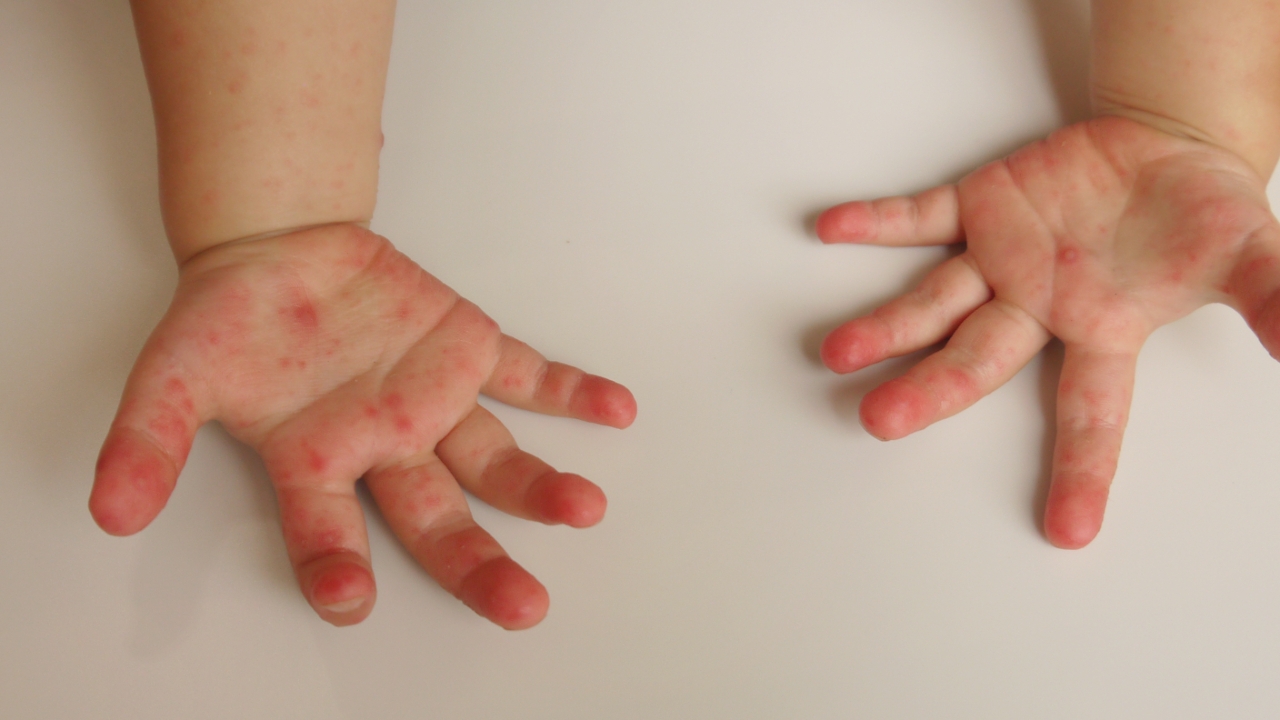
A detailed look at "hand, foot, and mouth disease," a popular illness among young children during the rainy season. Check for clear blisters on the palms and soles, initial treatment methods, and warning signs of dangerous complications from the EV71 virus that may be fatal.
Parents must be vigilant about "hand, foot, and mouth disease," a common contagious illness in young children that often surges during the rainy season. While most cases are mild and resolve on their own, infection with the aggressive EV71 strain can lead to complications that may be fatal. Let's review symptoms and proper care for your child.
What is hand, foot, and mouth disease? Why does it commonly spread among young children?
Hand, foot, and mouth disease is caused by infection with viruses from the Enterovirus group, frequently affecting children under 5 years old. This virus group includes many strains, most causing mild illness, but Enterovirus 71 (EV71) can lead to complications such as encephalitis.
Recognizing the symptoms of "hand, foot, and mouth disease": How to tell if your child is infected?
Symptoms usually develop progressively in the following order:
- Initial stage: Low-grade fever lasting 1-2 days with sore throat.
- Ulcer stage: Clear blisters appear in the throat which then break open forming ulcers similar to canker sores, causing mouth pain and reduced appetite.
- Rash stage: Rashes or clear blisters develop on the palms, soles, and sometimes on arms, legs, elbows, or buttocks.
- Recovery stage: Symptoms are worst during the first 2-3 days, then gradually improve, resolving within one week.
Warning signs! Complications parents must not ignore.
Though most cases recover without issues, severe complications like encephalitis, meningitis, or myocarditis can occur. If your child shows any of the following signs, seek medical care immediately:
- High fever persisting for more than 2 days.
- Frequent vomiting with inability to eat, leading to dehydration.
- Trembling hands, unsteady walking, or convulsions resembling seizures.
- Difficulty breathing, rapid breathing, or irregular heartbeat.
Treatment and initial care for hand, foot, and mouth disease.
Currently, there is "no specific antiviral treatment." Doctors focus on symptom management to support recovery, including:
- Fever reduction: Use sponge baths and administer fever reducers or painkillers as prescribed.
- Relief of mouth pain: Apply topical anesthetics to mouth ulcers under medical guidance.
- Prevent dehydration: Encourage frequent intake of oral rehydration solutions to replace lost fluids.
- Food selection: Avoid spicy or hot foods that can worsen mouth ulcers.
Preventing the spread of hand, foot, and mouth disease.
Maintaining cleanliness is essential for prevention.
- Frequent handwashing: Before and after meals, and after using the restroom.
- Cleaning personal items: Regularly wash toys and children's personal belongings.
- Isolate sick children: If infection is suspected, keep the child home from school for about 5-7 days to prevent spreading to others.
Reference: Dr. Ploy Pattanakit Sakul, Pediatric Infectious Diseases, Medical Department, Ramathibodi Hospital.