

What Not to Eat When You Have Mouth Ulcers ? Here is a list of forbidden foods to avoid when experiencing "mouth ulcers" or sores inside the mouth. Although not serious diseases, they cause pain and discomfort every time you eat or speak. Besides getting enough rest, "food" is a key factor in determining whether the sores heal quickly or become more inflamed. Let's check what foods to avoid during mouth ulcers to help wounds heal faster and prevent recurrence. Mouth ulcers Although mouth ulcers are not serious diseases, they cause pain and discomfort whenever eating or talking. Besides sufficient rest, "food" is a crucial factor that determines if the sores heal quickly or worsen with inflammation. Let's check which foods to avoid when you have mouth ulcers to promote faster healing and prevent recurrence.
Mouth ulcers often result from multiple causes such as stress, insufficient rest, vitamin deficiencies, or accidentally biting your lip. Once sores develop, the mucous membrane inside the mouth becomes fragile and sensitive to irritants. Additionally, consuming spicy, sour, or very hot foods, or allergic reactions to ingredients in toothpaste, can also trigger ulcers.
Choosing appropriate foods helps reduce irritation and allows tissue to heal faster. Generally, small mouth ulcers heal on their own within about 7-10 days, but larger or multiple sores may take 2-3 weeks. If sores do not heal within two weeks, cause severe pain, or recur frequently, a doctor should be consulted for further diagnosis.

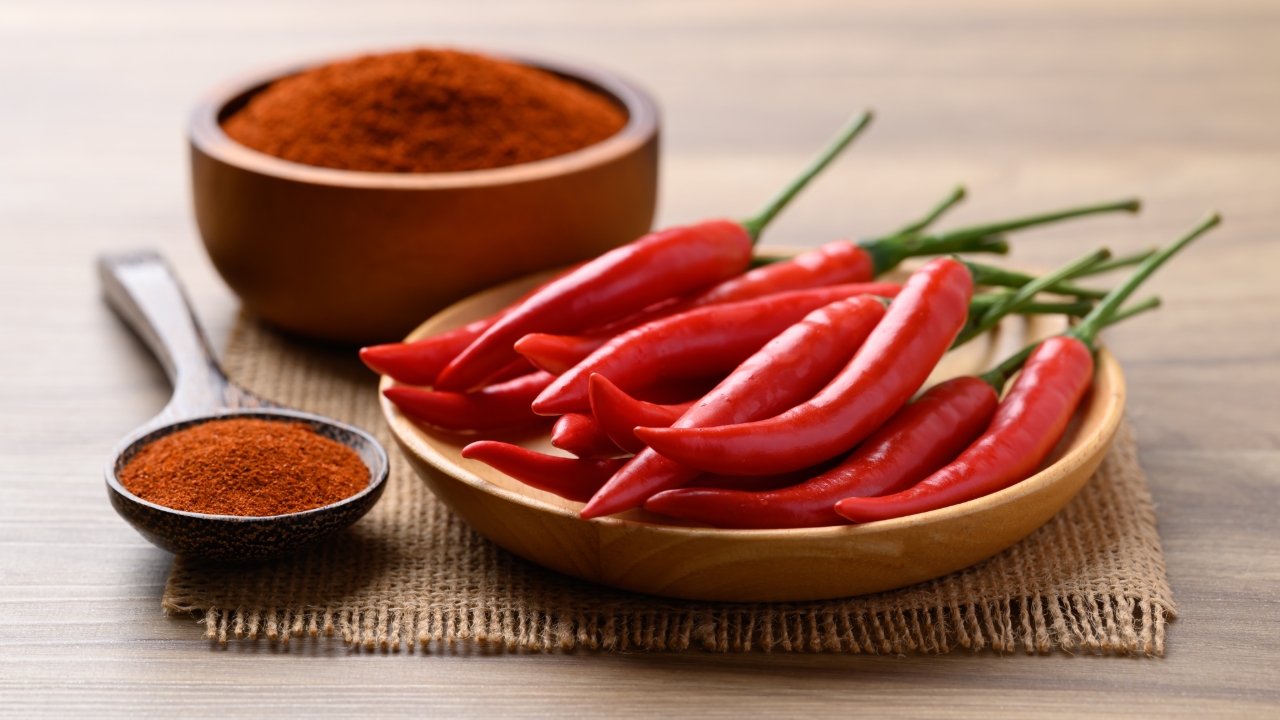
Foods with lots of chili and spices, or fruits high in acid like lime, pineapple, and oranges, directly erode and irritate the ulcer area, causing burning sensations and increased inflammation. Very hot foods should also be avoided.
Fried foods coated with hard batter or crunchy snacks may scrape the ulcers, causing tears or increased inflammation. This can worsen mouth or tongue ulcers. It's best to avoid fried foods until symptoms improve.

According to traditional Chinese and Thai medicine, certain foods have a "heating" property, such as durian, longan, jackfruit, or grilled/burnt foods. These increase body temperature, slowing ulcer healing and potentially increasing inflammation.
These drinks act as diuretics, causing dehydration and dry mouth, conditions that hinder ulcer healing. It is recommended to avoid alcohol, liquor, beer, and caffeinated beverages.caffeine because it stimulatesand delays mouth ulcer healing.
Excessive salt and sodium draw water out of cells in the mouth lining, making ulcers dry and tight, increasing pain and slowing tissue repair. Processed and ready-made foods high in sodium worsen mouth ulcers.

For those with mouth or tongue ulcers, it is advised to switch to cooling-effect foods like watermelon, lotus root, and pandan leaves, and drink enough water to keep the mouth moist. Also, use topical medications and maintain oral hygiene to prevent secondary bacterial infections.
During this hot weather, don't forgetto take care of your healthand drink an appropriate amount of water. Read more ata recipe to calculate "how many glasses of water you should drink daily" to ensure proper hydration.