

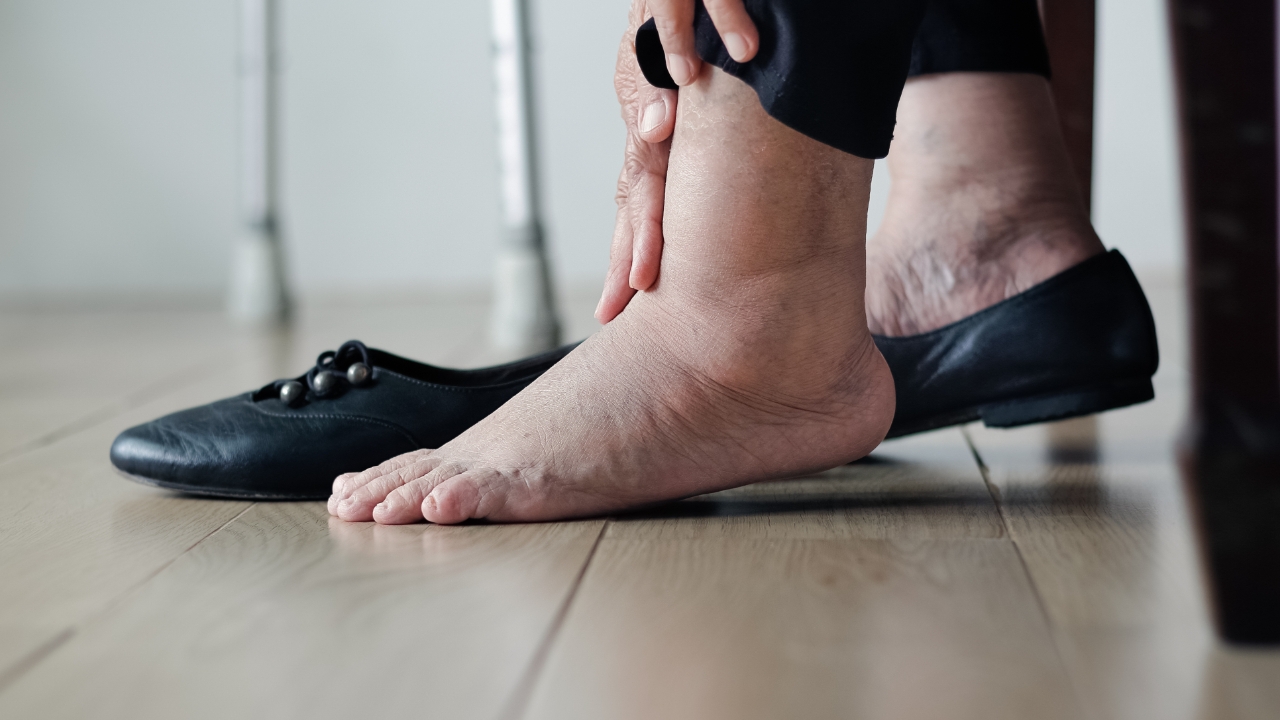
Check the warning signs of "diabetic foot," a common issue among diabetes patients, including dry skin, ingrown nails, and foot deformities, along with recommendations.The “10 Commandments”for self-care of the feet to prevent amputation.
Because“Foot wounds”are a serious concern for diabetes patients. If left untreated, they can lead to severe infections that might result in limb loss. We summarize key points about common foot abnormalities and basic self-care tips recommended by doctors for long-term hygiene.
Diabetes patients are at high risk of foot abnormalities that directly contribute to chronic wounds, which can be divided into three main categories as follows.

Consistent daily foot care is essential to prevent limb loss, with these recommended practices.
1. Foot cleaning: Clean feet with mild soap and water after bathing, morning and evening daily, and whenever dirty. Dry feet and between toes promptly to prevent moisture buildup.
2. Daily self-inspection: Check for abnormalities such as swelling, redness, warmth, thickened skin, or blisters on the heels, soles, nails, and between toes on both feet. Use a mirror to view the soles if needed. If unable to inspect alone, have a caregiver assist.
3. Skin care: After drying feet post-bath, apply lotion or urea cream lightly all over to maintain moisture, but avoid lotion between the toes to prevent fungal infection, skin breakdown, and wounds.

4. Nail care: Use sharp nail clippers. Cut nails when soft, such as after bathing. Cut nails straight to match nail width, avoiding cutting too short or rounding edges deeply to prevent ingrown nails.
Choose socks made of natural fibers that are clean, soft, breathable, and reduce foot moisture. Avoid tight socks or those made of nylon. Be mindful of seams or knots that might press on the skin. Change socks daily. More helpful foot care tips will be shared next week.
Source: Nursing Department, Ramathibodi Hospital, Faculty of Medicine, Ramathibodi Hospital, Mahidol University