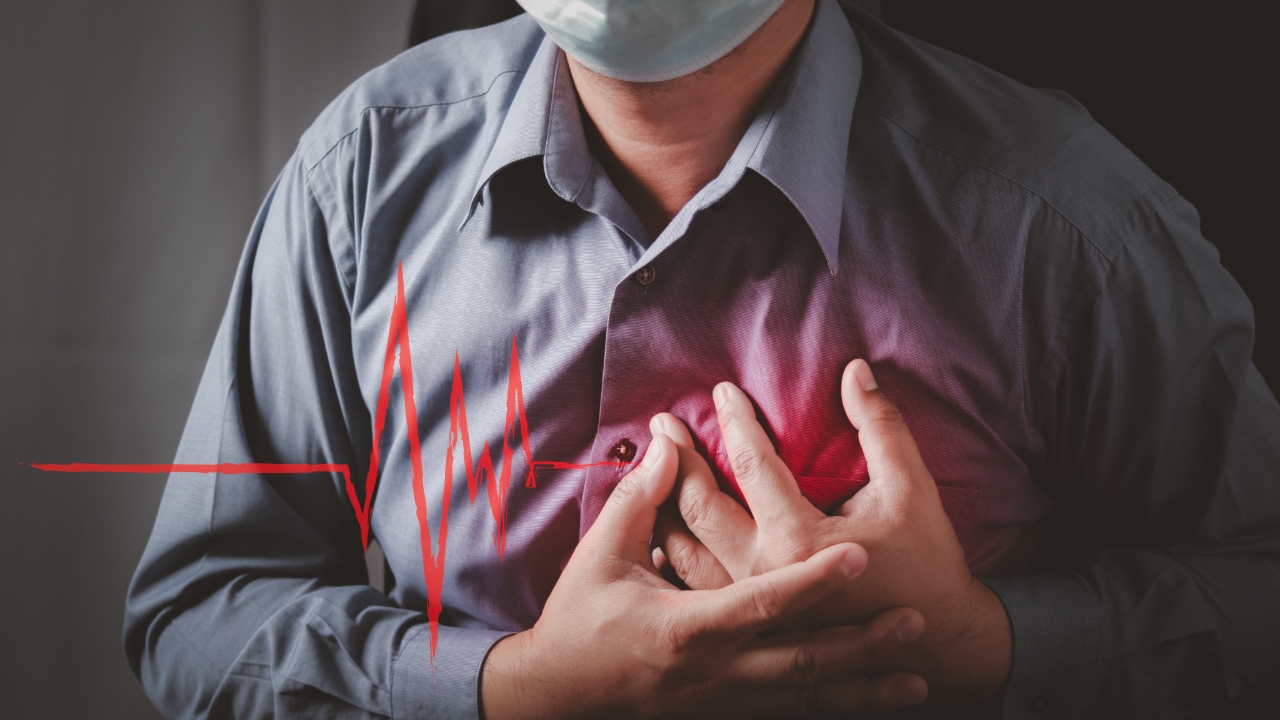
- Arrhythmia means the heart beats too fast, too slow, or irregularly. It may be caused by stress, caffeine, heart disease, or electrolyte imbalances. Some people may have no symptoms at all.
- Diagnosis and monitoring of arrhythmia use electrocardiogram tests (ECG, Holter monitor, ILR), blood tests, and heart ultrasound to find causes and assess severity.
- Treatment and self-care start with lifestyle adjustments, adequate rest, reducing caffeine and stress, progressing to medication, electrical heart ablation, or pacemaker implantation depending on the patient's condition.
Normally, the human heart beats regularly.But ifthe heartbeat rhythm deviates, it is considereda condition calledarrhythmia, which may impact the body.
- A normal resting heart rate is between 60 and 100 beats per minute.
- If it exceeds 100 bpm, it is called tachycardia (fast heartbeat).
- If it is below 60 bpm, it is called bradycardia (slow heartbeat), though this may be normal in people who exercise regularly.
Types and symptoms of arrhythmia include the following:
1. Abnormally fast heartbeat (Tachycardia) with more than 100 beats per minute at rest, possibly causing palpitations, chest tightness, or dizziness.
2. Abnormally slow heartbeat (Bradycardia) with fewer than 60 beats per minute (in non-exercisers), possibly causing fatigue, dizziness, fainting, or temporary loss of consciousness.
3. Irregular heartbeat rhythm which may be caused byatrial fibrillation (AF) or abnormal cardiac electrical conduction.Examples includeabnormal electrical signals from the ventricles or atria causing premature contractions (Premature Ventricular Contraction (PVC) / Premature Atrial Contraction (PAC)).However,
some people may have no symptoms and the condition is detected incidentally by pulse measurement or ECG.Common causes of arrhythmia include
stress, anxiety, or insufficient rest,
consumption of coffee,alcohol,or heavy smoking, electrolyte imbalances,such as potassium ormagnesium deficiency, and heart diseases,such as valve disorders or myocardial ischemia,and side effectsfrom certain medications.Diagnostic examinations
for arrhythmia vary depending on symptoms, frequency, and suspected type; doctors choose appropriate tests for each patient. 1. Medical history and physical examination
including symptoms like palpitations, dizziness, chest pain, fainting; triggers such as caffeine, alcohol, stress, or medications; family history of heart disease; and pulse check for rhythm regularity.
2. Electrocardiogram (ECG or EKG)
- is a basic test to diagnose arrhythmia but may miss intermittent episodes if symptoms are occasional.
- 3. Continuous heart rhythm monitoring
- using Holter monitor for 1-7 days,
- event recorder carried for several days or weeks to record episodes when symptoms occur,
and implantable loop recorder (ILR) placed under the skin for long-term monitoring from months up to a year.
to measure blood electrolytes such as potassium, sodium,
- and magnesium,
- thyroid hormone levels,
- and cardiac enzymes if myocardial ischemia is suspected.
- including echocardiogram (heart ultrasound) to assess heart structure and function,exercise stress test to evaluate heart response during physical activity,
- and electrophysiology study (EPS) using catheter to map electrical pathways precisely, used in complex cases or before ablation treatment.
- Treatment of arrhythmia
depends on the type, severity, and underlying heart disease; doctors select appropriate methods per patient.
- 1. Lifestyle modifications and self-care are suitable for mild or temporary symptoms triggered by factors such as
- adequate rest,
- appropriate exercise (e.g., brisk walking, swimming, yoga),
and control of blood pressure, diabetes, and cholesterol.
Patients should avoid caffeine,
- alcohol, and smoking,
- certain medications like stimulants in cold remedies,
- sleep deprivation, and chronic stress.
- 2. Medications to control heart rate and rhythm includeantiarrhythmic drugs,rate control drugs such as beta-blockers and calcium channel blockers,and anticoagulants for patients with atrial fibrillation to reduce stroke risk from blood clots.3. Procedures such as
- electrical cardioversion, used in fast arrhythmias like atrial fibrillation, involving sedation and mild electric shock to reset heart rhythm,
- catheter ablation to destroy abnormal electrical pathways, providing permanent cure in some cases like supraventricular tachycardia, atrial flutter, AF, ventricular tachycardia, PAC, or PVC,
implantation of devices such as permanent pacemakers for slow heartbeats (bradycardia),
- and implantable cardioverter-defibrillators (ICD) for dangerous fast arrhythmias like ventricular tachycardia or ventricular fibrillation.
- 4. Surgical treatments
- such as the Maze procedure for atrial fibrillation combined with other heart surgeries.
5. Treatment of underlying causes
- includes managing hyperthyroidism, correcting electrolyte imbalances, controlling high blood pressure, and treating ischemic heart disease.
- Information provided byDr. Orapin Chavalakul, Cardiologist, License No. 26424,Samitivej Hospital.