

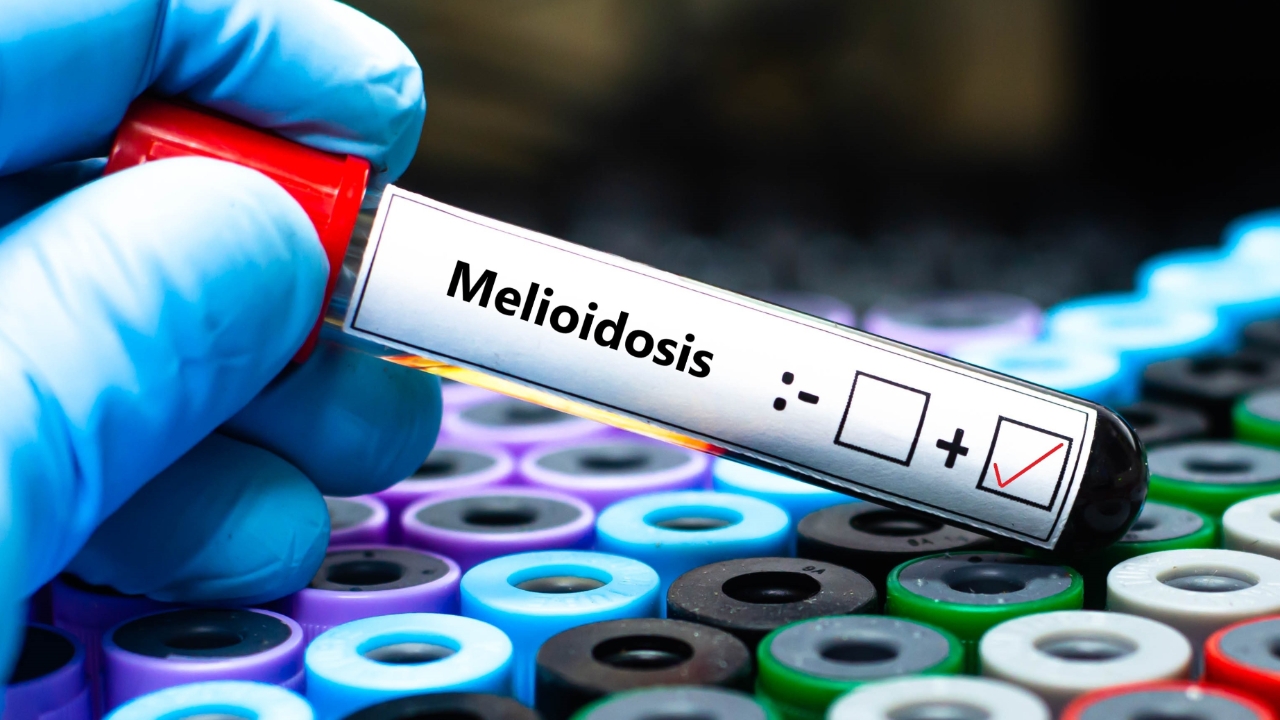
Get to know"Soil Fever"or Melioidosis, a deadly threat from soil and water. Following a government alert about its outbreak in Thailand, there have been 732 cumulative cases and 23 deaths. Check symptoms, at-risk groups, prevention methods, and treatment guidelines from the Department of Disease Control.
The government, through the Ministry of Public Health, is closely monitoring the situation of Soil Fever, or Melioidosis, as the outbreak trend remains concerning. From 1 January to 16 April 2026, there were 732 cases nationwide and 23 deaths. This follows the death of"Ninja"Wasanpan Pengsomya, a photographer specializing in national and international beauty pageants, who died from the disease, raising significant public awareness in Thailand. We will explain what causes this disease, its severity, and how to protect yourself from becoming the next victim.
Melioidosis, known locally as"Soil Fever,"is an infectious disease caused by the bacterium Burkholderia pseudomallei, commonly found in soil and water, especially in agricultural areas. This bacterium is highly resilient in the environment and is a common epidemic disease in Southeast Asia and northern Australia.
According to the Department of Disease Control, humans can contract the bacteria through three main routes:
Soil Fever is called a"master of disguise"because its symptoms resemble many diseases such as tuberculosis or pneumonia, ranging from acute to chronic. These include:

Although healthy individuals can get infected, those at higher risk for severe symptoms are:
Is it treatable? Soil Fever can be treated with antibiotics but requires a long course (about 3-6 months) and timely diagnosis. If bloodstream infection treatment is delayed, the mortality rate can reach 40-50%.
Soil Fever is not a new disease but a closer threat than many realize. The government has issued warnings, emphasizing that farmers and chronic patients avoid contact with soil and water and seek prompt medical attention if symptoms appear.