

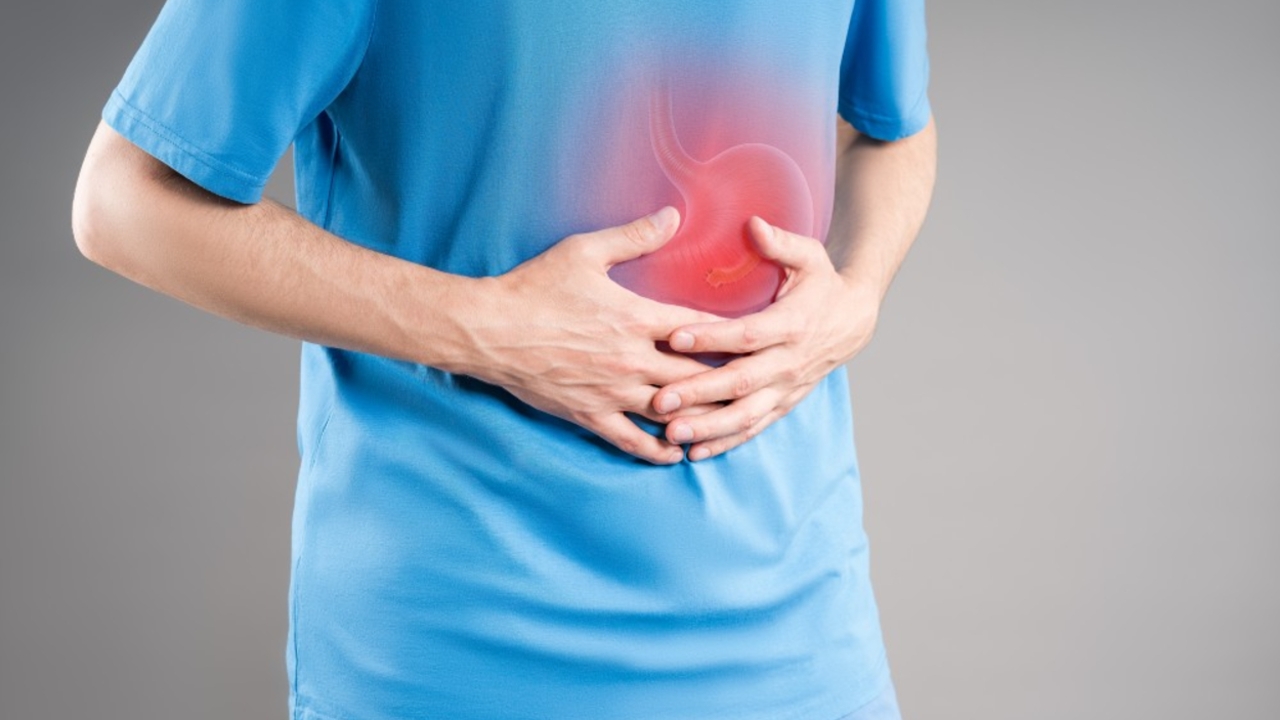
After the Songkran festival, when many people have long holidays to travel home, tour, and spend time with family or friends, a popular activity is indulging in feasts and social drinking. This often involves fried and fatty foods, eating large amounts quickly, consuming alcohol, and late-night eating before bed—without realizing these behaviors continuously strain the digestive system.
Initially, symptoms may be mild, such as bloating, fullness, or frequent burping. But if ignored over time, the risk of various digestive diseases increases, including acid reflux, gastritis, irritable bowel syndrome, or even pancreatitis. This article explores which eating habits overwork digestion and how to adjust behaviors to maintain long-term digestive health.
Once we eat, the body immediately begins digestion, with the stomach and intestines playing key roles.
When food enters the stomach, it contracts and secretes acid and digestive enzymes to transform solid food into liquid, initiating protein digestion and passing food to the small intestine. This process takes about 2 to 4 hours depending on the type and amount of food. Eating excessive amounts or high-fat foods makes the stomach work harder and slows digestion.
After food passes into the small intestine, nutrient absorption begins. The intestines contract rhythmically (peristalsis) to move food along the digestive tract. Frequent digestive strain from poor eating habits can disrupt digestion and intestinal motility.

Digestive symptoms often develop gradually, causing many to overlook bodily warning signs. Though these symptoms may seem mild, frequent or chronic occurrence can signal digestive disorders such as:

Digestive care can start with daily behavioral adjustments such as:
Proper evaluation helps identify disease causes and plan targeted treatment. If you experience any of the following digestive symptoms, consult a doctor for diagnosis:
Maintaining digestive health begins with balanced eating habits: eating on time, chewing thoroughly, reducing fatty foods and alcohol, and monitoring abnormal symptoms. If you experience chronic abdominal pain, heartburn, vomiting blood, or black stools, consult a doctor promptly for proper diagnosis and early treatment of digestive diseases.
Information provided by : Dr. Natthida Sribuathong, gastroenterologist and hepatologist, Phyathai 2 Hospital