

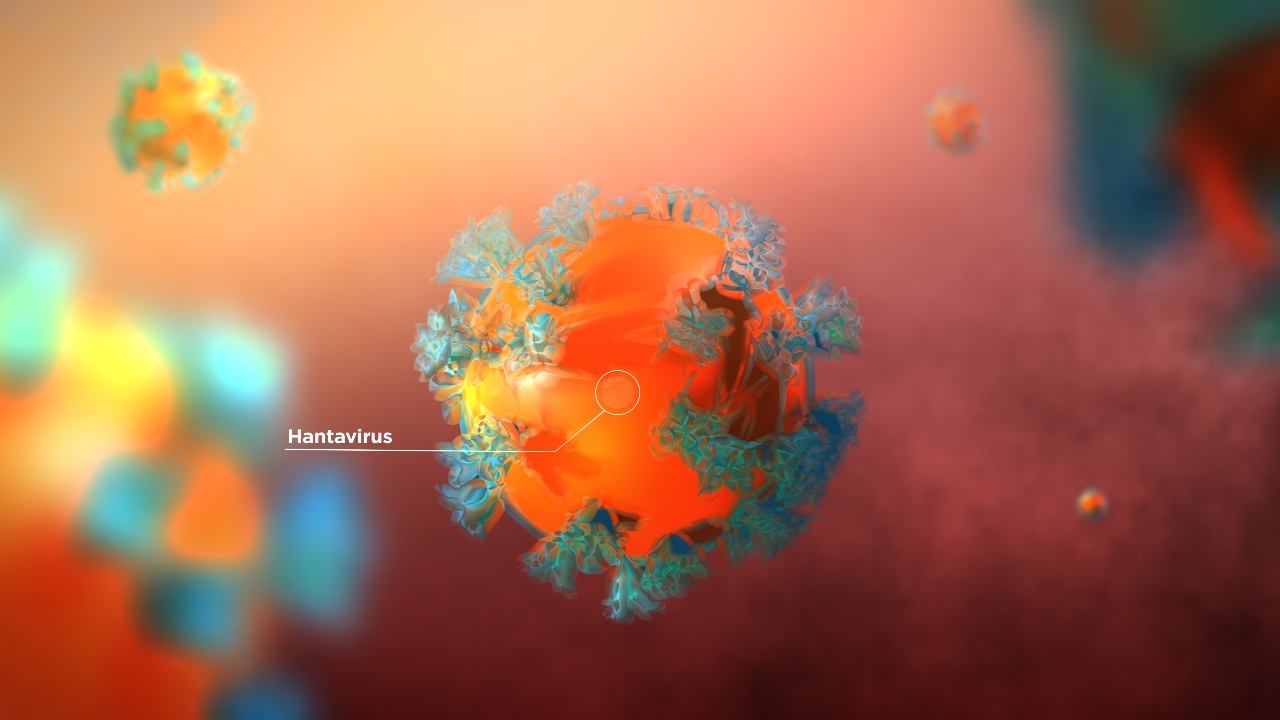
Global shock! Hantavirus has broken out on a cruise ship, killing three people. What is this virus? How does it transmit from rodents to humans? How many types are there? Are the symptoms truly fatal? Plus, learn essential prevention methods you must know. Check here now!","tags":["Hantavirus","Cruise ship outbreak","Virus transmission","Prevention"]
The World Health Organization (WHO) recently reported a severe respiratory infection outbreak on the cruise ship MV Hondius, which departed from Argentina with about 150 passengers and crew. The incident resulted in three deaths and several critical cases in intensive care. Laboratory tests confirmed Hantavirus as the cause. This news has sparked worldwide alarm, raising questions about what this virus is, how dangerous it is, and how we can protect ourselves."tags":["WHO","Cruise ship outbreak","Hantavirus","Respiratory infection"]
Hantavirus is an RNA virus belonging to the Bunyavirales family, primarily carried by rodents, especially various species of mice. The frightening aspect is that these carrier rodents often show no illness but shed the virus through bodily secretions such as urine, feces, and saliva."tags":["Hantavirus","RNA virus","Rodent carriers"]

There are dozens of Hantavirus strains worldwide, but infections in humans cause two main syndromes with varying severity depending on the region."tags":["Hantavirus strains","Syndromes"]
Predominantly found in North and South America, such as the Sin Nombre and Andes strains, this syndrome is usually severe, attacking the lungs and heart."tags":["HPS","Hantavirus","Americas"]
The cruise ship outbreak is believed to involve the Andes strain, as the ship departed from Argentina. This strain is particularly dangerous as it is the only one reported to transmit from person to person through secretions and close contact."tags":["Andes strain","Person-to-person transmission","Hantavirus"]
Common in Asia and Europe, with strains such as Hantaan, Seoul, and Puumala, this group causes symptoms similar to dengue fever, including easy bleeding and kidney failure."tags":["HFRS","Hantavirus","Asia","Europe"]
The incubation period ranges from about 1 to 8 weeks after exposure."tags":["Incubation period","Hantavirus"]
Early stage (flu-like):"tags":["Early symptoms","Flu-like"] High fever, chills, severe muscle aches—especially in large muscle groups like thighs, hips, and back—headache, and possible gastrointestinal symptoms such as nausea, vomiting, and diarrhea. These symptoms resemble the flu but notably lack a runny nose or sore throat."tags":["Flu-like symptoms","Muscle pain","Hantavirus"]

Severe stage:"tags":["Severe symptoms"]
Hantavirus is considered a very dangerous "silent killer," especially the pulmonary syndrome (HPS), which has a fatality rate of 35-50%. The alarming fact is that there is currently no specific antiviral treatment or internationally approved vaccine (except some vaccines used only in China and Korea)."tags":["Fatality rate","No specific treatment","Vaccine"]
Current treatment is supportive care, including oxygen therapy, mechanical ventilation, or extracorporeal membrane oxygenation (ECMO) in intensive care units. If patients survive the critical lung inflammation phase, their bodies gradually clear the virus and recover."tags":["Supportive care","Intensive care","Recovery"]
The best prevention principle is to avoid contact with rodents and their secretions by following the Seal Up, Trap Up, Clean Up approach:"tags":["Prevention","Rodent control"]
Although the chance of daily infection with Hantavirus is low, this cruise ship outbreak is an important lesson reminding us not to neglect cleanliness and hygiene around us. If you have been exposed to rodents or entered risky areas and develop high fever, muscle pain, or difficulty breathing, seek medical attention immediately and provide detailed exposure history to your doctor."tags":["Hantavirus risk","Medical advice","Hygiene"]}]} }