

Getting to Know“Hantavirus”A dangerous rodent-borne virus, following reports of an outbreak on the cruise ship MV Hondius with fatalities and potential human-to-human transmission. Check symptoms and prevention here.
Recently, news has reported an outbreak of hantavirus on the cruise ship MV Hondius sailing in the Atlantic Ocean. This is concerning because three people have died and at least four others were infected as of 6 May 2026. The virus is believed to spread by inhaling particles from rodent droppings, but human-to-human transmission is also possible. The ship is currently docked in Cape Verde. Although a large-scale outbreak is unlikely, the disease’s severity can cause fatality rates to soar up to 80%. Let’s understand this virus before it’s too late.
Hantavirus is an RNA virus belonging to the Bunyavirales family, with“rodents”as the primary carriers. Humans usually contract the virus by inhaling airborne particles contaminated with rodent urine, feces, or saliva. This virus is divided into two major groups based on symptoms, as follows.

Hantavirus is not a new disease; it was recorded as early as ancient China and became globally recognized during the Korean War (1951-1953), when over 2,000 soldiers fell ill. Later, in 1993, the United States identified a new strain called“Sin Nombre Virus”which had an initial fatality rate as high as 80% among patients.
Most recently, on 6 May 2026, an outbreak was reported on the cruise ship“MV Hondius”with three deaths and at least four infections. It is suspected to be the“Andes Virus”(Andes Virus; ANDV) because the ship departed from Argentina, a knownhabitatfor this virus strain.
This virus has anincubation periodof about 1 to 7 weeks. The danger lies in the variety of strains, with at least 22 out of 40 known strains causing disease in humans. The Andes strain currently in the news is notable because there is evidence it can“spread from person to person.”
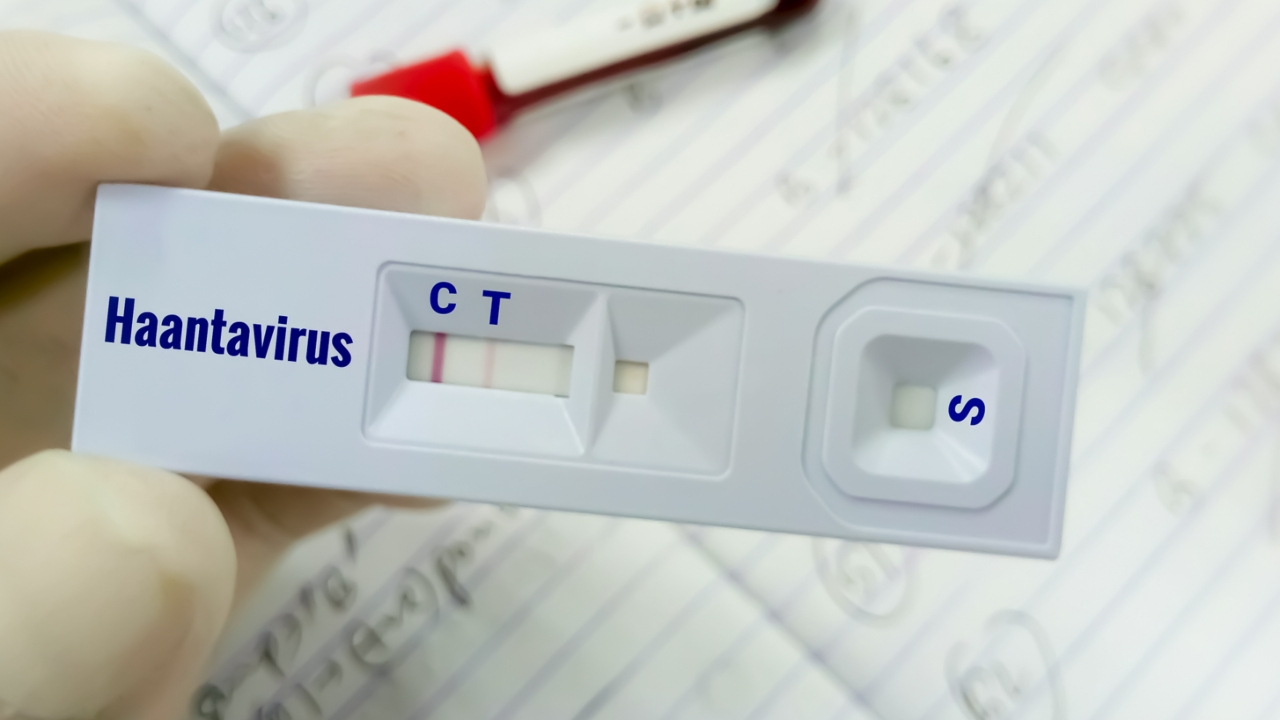
Doctors can diagnose hantavirus infection through serological tests, genetic PCR testing, and pathological examinations.
Dr. Rapeepan Rattanawongnara Mord from Ramathibodi Hospital’s Faculty of Medicine stated that the chance of hantavirus causing a global outbreak like COVID-19 is very low. The public should not panic but remain vigilant by maintaining hygiene, avoiding contact with rodents, and following news updates closely.
Sources: