

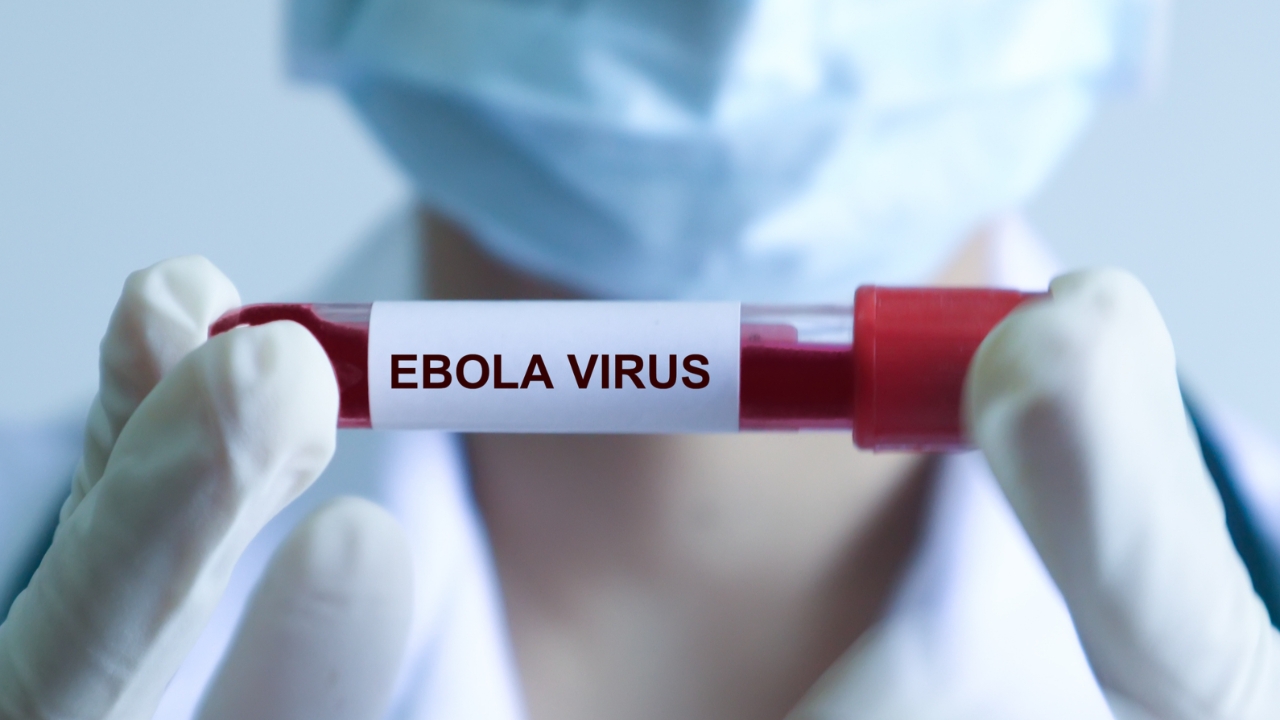
Following the new outbreak of "Ebola Virus Disease" in the Democratic Republic of Congo, we examine its causes, symptoms, transmission, treatment methods, and ways to protect oneself from this dangerous virus.
It has become a global public health issue requiring close attention again after reports of an Ebola Virus Disease (EVD) outbreak in the Democratic Republic of Congo. Known as one of the deadliest viral diseases worldwide, understanding its origin, symptoms, and prevention methods is crucial for everyone./

Historical records show that the Ebola virus was first identified in 1976 during simultaneous outbreaks, one near the Ebola River in Congo, from which the virus takes its name. According to the World Health Organization (WHO), the disease's fatality rate averages around 50%, varying from 25% to 90% per outbreak depending on the strain and access to medical care.
Ebola Virus Disease is caused by viruses from the Filoviridae family, which includes several species. The Zaire ebola virus strain is notably responsible for severe human disease.
Epidemiologically, fruit bats of the Pteropodidae family are believed to be the natural reservoir of the virus, which can then transmit to other mammals such as monkeys.Gorillas,chimpanzees, or wild pigs before spreading to humans.
Ebola virus transmission among humans is not airborne like influenza or COVID-19 but occurs through direct contact with bodily fluids, including:
The incubation period ranges from 2 to 21 days (average 8-10 days). Infected individuals are not contagious until symptoms appear. Early and severe symptoms include:

Many ask if Ebola is curable. Currently, there is no specific antiviral medication for immediate cure. Treatment focuses on supportive care like intravenous fluids, electrolyte balance, oxygen therapy, and maintaining blood pressure. Prompt medical care improves survival chances.
Additionally, vaccines such as Ervebo have been developed and authorized for use in outbreak areas to control spread, especially among healthcare workers and high-risk groups.
Although there are no reported outbreaks in Thailand, those traveling to high-risk areas or preparing in advance should follow these preventive measures:
if returning from a risk area and experiencing high fever, diarrhea, or unusual symptoms within 21 days, seek medical attention immediately and provide a detailed travel history.